

September is a month of transition. Summer is over and we’re starting to say our sad goodbyes to the summer garden we worked so hard on this year. It might feel like gardening in zone 7 is done for the year, but there is still plenty that you can plant in September to keep your garden going even longer!
Zone 7 gardeners have a unique opportunity to plant a variety of vegetables, fruits, and herbs that thrive in the cooler temperatures. Whether you’re looking to extend your gardening season, get a very late start on the year, or simply want to make the most of the month, this guide is for you.
So, grab your pumpkin spiced lattes and get ready for some fall planting.
- Understanding Zone 7 Climate in September
- What to Plant in Zone 7 in September
- Vegetables to Plant in September in Zone 7
- Fruits to Plant in September in Zone 7
- Herbs to Plant in September in Zone 7
- Pest and Disease Management for Fall Crops
- Harvesting and Storing Fall Crops
- Preparing Your Garden for Winter
- Planning for Next Year's Garden
Understanding Zone 7 Climate in September
September in Zone 7 is when we start to get some milder temperatures, making it ideal for planting cool-season crops. While the scorching heat of summer is starting to fade away, the soil still remains warm, promoting root growth. However, with decreasing daylight hours, it’s extra important to make sure your plants get adequate sunlight. Regularly check the soil’s moisture levels, as September can be unpredictable in terms of rainfall.
Some things to keep in mind when figuring out what to plant in September in zone 7:
- The first frost date in USDA Hardiness Zone 7 is usually in mid-late October or early November
- To check for your expected last frost date, plug your zip code into Almanac.com’s frost date tool
- For best results with cool season crops, the soil temperature should be at least 60 degrees Fahrenheit before planting
What to Plant in Zone 7 in September
There is a full list further down this post of every herb, fruit, and veggie to plant in zone 7 in September, but these are some of the plants that will do the best:
- Cool-season crops: Broccoli, Brussels sprouts, cabbage, carrots, cauliflower, celery, collards, kale, lettuce, peas, spinach, and turnips.
- Root crops: Beets, carrots, parsnips, and radishes.
- Leafy greens: Arugula, spinach, and lettuce.
- Herbs: Basil, chives, cilantro, dill, mint, oregano, parsley, rosemary, and thyme.
- Flowers: Asters, chrysanthemums (mums), marigolds, pansies (to attract pollinators and beautify the garden).
Vegetables to Plant in September in Zone 7
FYI, the estimated times to harvest below can vary based on the specific variety of the plant and the growing conditions. Always check the plant label or seed packet to see how long each variety’s maturity time is.
Arugula
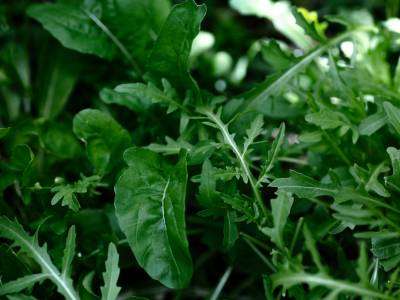
Arugula, also known as rocket, is a peppery, cool-season green that grows quickly. It’s perfect for salads and wilts beautifully when added to warm dishes. It is a good source of vitamins A and C, and it is relatively easy to grow.
Sow: Outdoors
When to plant Arugula: Early September
Zone 7 tips for planting arugula in September:
- Choose a variety that is bolt-resistant.
- Plant in full sun to partial shade.
- Keep the soil consistently moist.
- Thin seedlings to about 6 inches apart.
- Harvest leaves when they are young and tender for the best flavor.
- Use a light mulch to keep the soil cool and moist.
Companion Plant Recommendations: Beets, basil, carrots, lettuce, and radishes (all suitable for September planting).
Estimated time to harvest: 20-40 days
Beets
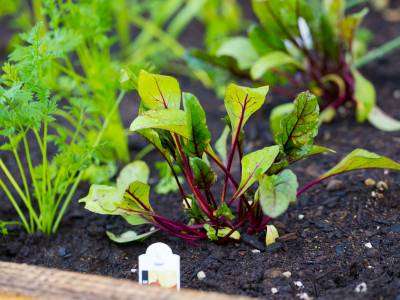
Beets are a dual-purpose plant, with both the roots and the greens being edible, and can be eaten either raw or cooked. They thrive in the cooler temperatures of late summer and early fall. They are a good source of vitamins A and C, and they are relatively easy to grow.
Sow: Outdoors
When to plant Beets: Early September
Zone 7 tips for planting beets in September:
- Choose a variety that is known for its sweet flavor.
- Plant in full sun.
- Soil should be well-draining and free of large stones.
- Thin seedlings to about 3-4 inches apart.
- Keep the soil consistently moist.
- Mulch around the beets to retain moisture and suppress weeds.
Companion Plant Recommendations: Arugula, cabbage, onions, kohlrabi, and radishes (all suitable for September planting).
Estimated time to harvest: 50-70 days
Broccoli
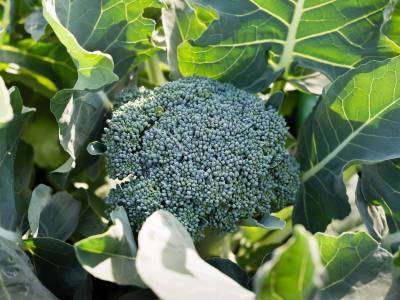
Broccoli thrives in cooler temperatures. It matures best when the weather is between 40 degrees and 70 degrees F, so it does best when planted on either end of the gardening season in zone 7, making September an ideal month for planting.
Sow: Outdoors
When to plant broccoli: Early September
Zone 7 tips for planting broccoli in September:
- Choose a variety that is known for its sweet flavor.
- Plant in full sun.
- Keep the soil consistently moist.
- Apply a thick layer of mulch to retain moisture.
- Fertilize every few weeks with a balanced fertilizer.
- Harvest the heads when they are still small and tightly closed.
Companion Plant Recommendations: Beets, celery, onions, chives, rosemary, sage, and radishes (all suitable for September planting).
Harvest Time: 70-100 days.
Brussels Sprouts

If you’ve never been a big fan of brussels sprouts, sprouts from your garden are not the same blah flavor you get from those frozen bags in the grocery store. Garden grown brussels sprouts are a delicious, and super healthy, vegetable that can be eaten raw or cooked.
Sow: Outdoors
When to plant brussels sprouts: Early September
Zone 7 tips for planting brussels sprouts in September:
- Choose a variety that is known for its sweet flavor.
- Plant in full sun.
- Keep the soil consistently moist.
- Apply a thick layer of mulch to retain moisture.
- Fertilize every few weeks with a balanced fertilizer.
- Harvest the sprouts when they are firm and 1 to 1.5 inches in diameter.
Companion Plant Recommendations: Beets, carrots, onions, radishes, thyme, sage, mint (all suitable for September planting).
Harvest Time: 80-100 days.
Cabbage

A staple in many cuisines, cabbage is a rewarding vegetable to grow, with each plant producing a dense head. If you time it right, you can get another one or two heads out of your annual harvest by cutting back the plant, with some leaves left at the base.
Sow: Outdoors
When to plant Cabbage: Early September
Zone 7 tips for planting cabbage in September:
Choose a variety that is known for its cold hardiness.
- Choose a variety that is known to be cold-hardy
- Plant in a spot with full sun and well-drained soil.
- Keep the soil consistently moist, especially during hot, dry weather
- Apply a thick layer of mulch to keep the roots cool and retain moisture
- Fertilize every few weeks with a balanced fertilizer
- Harvest the heads when they are firm and compact
Companion Plant Recommendations: Beets, onions, radishes, thyme, mint, sage, rosemary and spinach (all suitable for September planting).
Estimated time to harvest: 70-95 days
Carrots
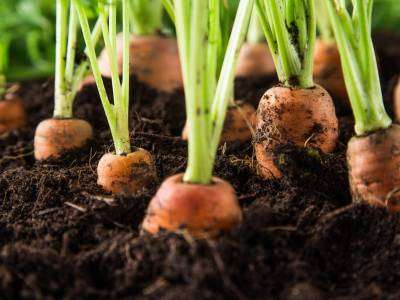
Crunchy and sweet, carrots are a favorite among zone 7 gardeners. Carrots don’t do well when transplanting, so it is best to direct sow them into your garden. Typically, they take about 60 days before they are ready for harvest.
Sow: Directly in the garden
When to plant Carrots: Early to Mid-September
Tips for planting carrots in September:
- Choose a variety that is known to be cold-hardy
- Plant in full sun. Even though the part you eat is underground, carrots don’t do great in shade or partial shade.
- Keep the soil consistently moist, especially during hot, dry weather
- Thin seedlings to about 2 inches apart once they’re an inch tall
- Apply a thick layer of mulch to keep the roots cool and retain moisture
- Fertilize every few weeks with a balanced fertilizer.
- Harvest the carrots tops are about 3/4 to 1 inch in diameter and/or if you see the carrot starting to pop out of the soil
Companion Plant Recommendations: Beans, lettuce, onions, chives, leeks, rosemary, and radishes (all suitable for September planting).
Estimated time to harvest: 70-80 days
Cauliflower

It seems like cauliflower is sneaking into everything nowadays as a healthy alternative to things like rice, pasta, and mac and cheese. It’s a healthy plant that would be a great addition to anyone’s zone 7 edible garden!
Sow: Outdoors
When to plant Cauliflower: Early September
Zone 7 tips for planting cauliflower in September:
- Choose a variety that is known for its compact head and cold-hardiness.
- Plant in full sun.
- Soil should be rich and well-draining.
- Thin seedlings to about 18-24 inches apart.
- Keep the soil consistently moist.
- Apply a thick layer of mulch to retain moisture and suppress weeds.
- Fertilize every few weeks with a balanced fertilizer.
- Harvest when the heads are compact, white, and firm.
Companion Plant Recommendations: Broccoli, Brussels sprouts, cabbage, oregano, sage, and radishes (all suitable for September planting).
Estimated time to harvest: 55-100 days
Collard Greens

Collard greens are a leafy green vegetable that’s a good source of vitamins A and C. They’re also relatively easy to grow.
Sow: Outdoors
When to plant Collard Greens: Early to mid-September
Zone 7 tips for planting collard greens in September:
- Choose a variety known for its large, dark-colored leaves.
- Plant in full sun to partial shade.
- Soil should be rich and well-draining.
- Thin seedlings to about 12-18 inches apart.
- Keep the soil consistently moist.
- Harvest leaves from the bottom up, allowing the plant to continue growing.
Companion Plant Recommendations: Beets, celery, onions, cabbage (all suitable for September planting).
Estimated time to harvest: 60-75 days
Kale
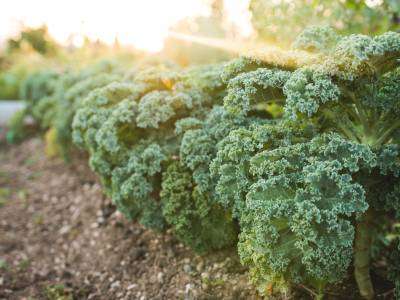
Great in a fast growing and nutrient packed cool-season crop that you can mix in a salad or blend up in a smoothie.
Sow: Outdoors
When to plant Kale: Early September
Zone 7 tips for planting kale in September:
- Choose a variety known for its curly or smooth leaves.
- Plant in full sun to partial shade.
- Soil should be rich and well-draining.
- Thin seedlings to about 12 inches apart.
- Keep the soil consistently moist.
- Harvest leaves from the bottom up, allowing the plant to continue growing.
Companion Plant Recommendations: Beets, cabbage, celery, onions, radishes (all suitable for September planting).
Estimated time to harvest: 50-70 days
Kohlrabi
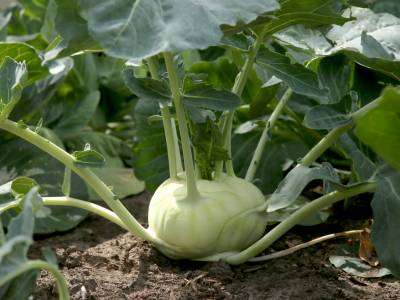
Kohlrabi, a member of the Brassicaceae family, is a unique vegetable that’s a cross between a cabbage and a turnip and produces a bulb above ground. It has a taste similar to broccoli stems but is sweeter. It’s a good source of vitamins C and K, and it’s relatively easy to grow.
Sow: Outdoors
When to plant Kohlrabi: Early September
Zone 7 tips for planting kohlrabi in September:
- Choose a variety that is known for its tender bulbs.
- Plant in full sun.
- Soil should be rich and well-draining.
- Thin seedlings to about 6 inches apart in the row with rows 1 foot apart.
- Keep the soil consistently moist.
- Apply a thick layer of mulch to retain moisture and prevent the soil from splashing onto the developing head
- Harvest the bulbs when they are 2-3 inches in diameter.
Companion Plant Recommendations: Beets, onions, radishes (all suitable for September planting).
Estimated time to harvest: 50-60 days
Leeks
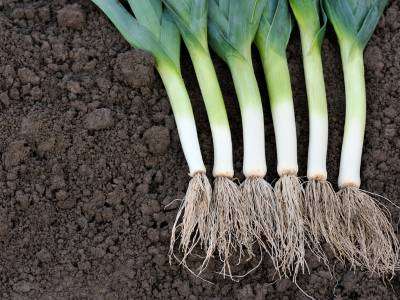
Leeks, relatives of onions, provide a milder flavor and can be used in a variety of dishes. They require a longer growing season but are worth the wait.
Sow: Indoors or Outdoors
When to plant Leeks: Early September
Zone 7 tips for planting leeks in September:
- Choose a variety that is known for its long, white shafts.
- Plant in full sun.
- Soil should be loose and well-draining.
- Thin seedlings to about 6 inches apart.
- Use soil or mulch to blanch the stems by mounding it around the plants as they grow.
- Keep the soil consistently moist.
Companion Plant Recommendations: Beets, carrots, celery, chervil, and dill (all suitable for September planting).
Estimated time to harvest: 120-150 days
Lettuce
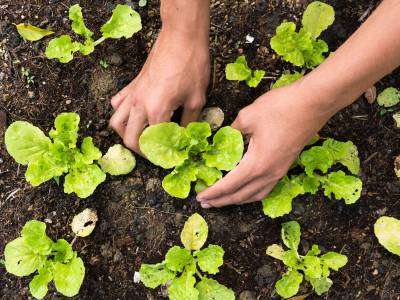
Lettuce is a cool-season crop that can be grown throughout most of the year in Zone 7, but it truly thrives in the cooler temperatures of late summer and early fall. Lower temperatures also mean they won’t bolt as fast as they do in the hot summer.
Sow: Outdoors
When to plant Lettuce: Throughout September
Zone 7 tips for planting lettuce in September:
- Choose varieties that are bolt-resistant.
- Plant in a spot with partial shade to protect from the heat.
- Soil should be rich and well-draining.
- Thin seedlings to about 8-12 inches apart.
- Keep the soil consistently moist.
- Use a light mulch to keep the soil cool and moist.
Companion Plant Recommendations: Beets, carrots, radishes, and chervil (all suitable for September planting).
Estimated time to harvest: 30-60 days
Mustard Greens
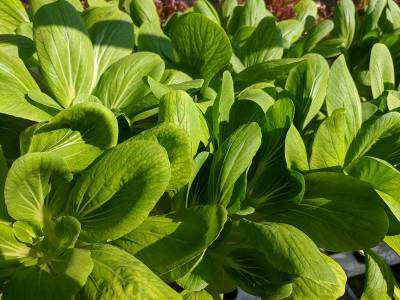
Mustard Greens are spicy, flavorful, and packed with nutrients. They grow quickly and can be harvested multiple times throughout the season.
Sow: Outdoors
When to plant Mustard Greens: Early to mid-September
Zone 7 tips for planting mustard greens in September:
- Choose a variety that suits your flavor preference, from mild to spicy.
- Plant in full sun to partial shade.
- Soil should be rich and well-draining.
- Thin seedlings to about 6-8 inches apart.
- Keep the soil consistently moist.
- Harvest leaves when they are young and tender for the best flavor.
Companion Plant Recommendations: Beets, kale, radishes, and cabbage (all suitable for September planting).
Estimated time to harvest: 30-45 days
Onions
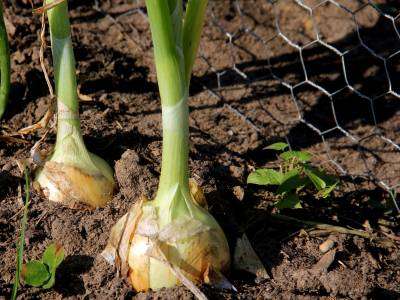
In Zone 7, August is the time to plant onions for overwintering and harvest in the following spring, with September still being a great time.
Sow: Outdoors
When to plant Onions: Early September for overwintering varieties
Zone 7 tips for planting onions in September:
- Choose a variety that is suitable for overwintering.
- Plant in full sun.
- Soil should be loose and well-draining.
- Space onion sets or transplants about 4-6 inches apart.
- Keep the soil consistently moist but not waterlogged.
- Mulch around the onions to suppress weeds and retain moisture.
Companion Plant Recommendations: Beets, carrots, lettuce, and kohlrabi (all suitable for September planting).
Estimated time to harvest: 180-210 days (next spring)
Peas

Peas are a cool-season crop, and planting in August and September can yield a bountiful harvest in late fall.
Sow: Outdoors
When to plant Peas: Early September
Zone 7 tips for planting peas in September:
- Choose a variety that is known for its cold-hardiness.
- Plant in full sun to partial shade.
- Soil should be rich and well-draining.
- Provide a trellis or support for climbing varieties.
- Space seeds about 2 inches apart and 1 inch deep.
- Keep the soil consistently moist.
Companion Plant Recommendations: Carrots, radishes, turnips (all suitable for September planting).
Estimated time to harvest: 60-70 days
Radishes
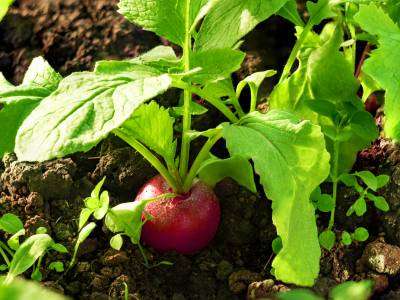
Radishes are quick-growing and can be harvested in just a few weeks, making them perfect for fall planting.
Sow: Outdoors
When to plant Radishes: Throughout September
Zone 7 tips for planting radishes in September:
- Choose a variety that suits your flavor preference.
- Choose a variety that matures quickly
- Plant in full sun.
- Soil should be loose and well-draining.
- Thin seedlings to about 2 inches apart.
- Keep the soil consistently moist.
- Harvest radishes as soon as they reach their mature size to avoid woodiness.
Companion Plant Recommendations: Beets, carrots, peas, and chervil (all suitable for September planting).
Estimated time to harvest: 22-50 days (depending on variety)
Spinach
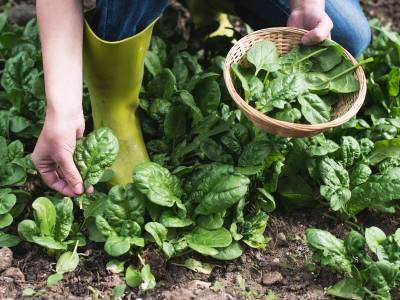
Spinach is a nutrient-packed leafy green that thrives in the cool temperatures of fall. It keeps coming back as you harvest its leaves, so you’ll have plenty of healthy salads while this is still able to grow.
Sow: Outdoors
When to plant Spinach: Early to mid-September
Zone 7 tips for planting spinach in September:
- Choose a bolt-resistant and cold hardy variety
- Plant in full sun to partial shade.
- Soil should be rich and well-draining.
- Thin seedlings to about 4-6 inches apart.
- Keep the soil consistently moist.
- Harvest leaves when they are young and tender for the best flavor.
Companion Plant Recommendations: Radishes, strawberries, cilantro, and onions (all suitable for September planting).
Estimated time to harvest: 40-50 days
Swiss Chard
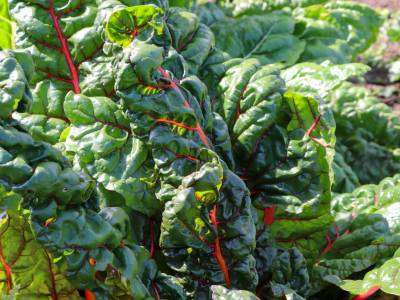
Swiss Chard is a colorful and flavorful leafy green that can be harvested throughout the fall and even into winter.
Sow: Outdoors
When to plant Swiss Chard: Early September
Zone 7 tips for planting Swiss chard in September:
- Choose a variety that is known for its vibrant stems.
- Plant in full sun to partial shade.
- Soil should be rich and well-draining.
- Thin seedlings to about 6-12 inches apart.
- Keep the soil consistently moist.
- Harvest leaves from the outside, allowing the center to continue growing.
Companion Plant Recommendations: Radishes, onions, and beans (all suitable for September planting).
Estimated time to harvest: 50-60 days
Turnips
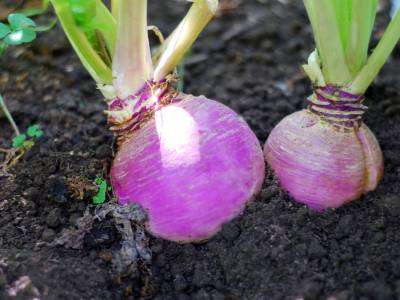
Turnips are a dual-purpose plant, with both the roots and the greens being edible. They grow quickly and can be harvested in late fall.
Sow: Outdoors
When to plant Turnips: Early to mid-September
Zone 7 tips for planting turnips in September:
- Choose a variety that suits your flavor preference.
- Plant in full sun.
- Soil should be loose and well-draining.
- Thin seedlings to about 4-6 inches apart.
- Keep the soil consistently moist.
- Harvest turnips when they are about 2-3 inches in diameter.
Companion Plant Recommendations: Peas, beans, and radishes (all suitable for September planting).
Estimated time to harvest: 30-60 days (depending on variety)
Fruits to Plant in September in Zone 7
There really is only one fruit that I’d recommend planting in zone 7 in September…
Strawberries
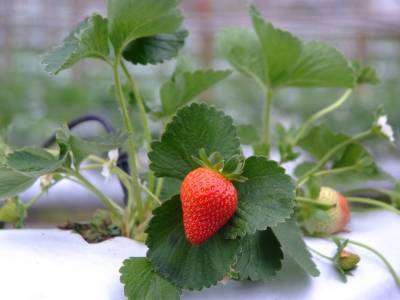
Strawberries are typically planted in the spring, but September is a good time to prepare and rejuvenate existing strawberry beds for the next year’s garden. You can also plant certain varieties for a crop next year.
Sow: Outdoors
When to plant Strawberries: Throughout September
Zone 7 tips for planting strawberries in September:
- Choose everbearing or day-neutral varieties for extended harvests.
- Plant in well-draining soil rich in organic matter.
- Ensure the plants receive full sun.
- Space plants about 12-18 inches apart.
- Keep the soil consistently moist but not waterlogged.
- Mulch around plants to retain moisture and prevent weed growth.
Companion Plant Recommendations: Lettuce, spinach, basil, garlic, and beans (all suitable for September planting).
Estimated time to harvest: Will yield fruit in the following spring/early summer.
Herbs to Plant in September in Zone 7
September is a transitional month in zone 7 as summer gives way to fall. While some herbs are best planted in the spring, others can be planted in the fall for a late harvest or to establish plants for the following year.
Basil
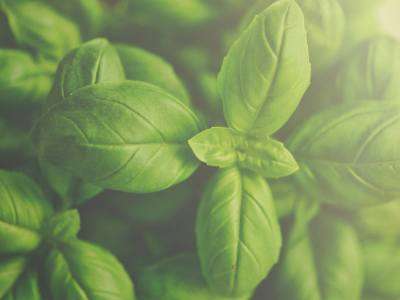
Basil, with its fragrant leaves, is a staple in many kitchens. While typically a warm-season herb, planting in September in a protected area might still yield some growth before the season is over.
Sow: Indoors or in a protected outdoor area
When to plant Basil: Early September
Zone 7 tips for planting basil in September:
- Choose a variety that’s known for its hardiness.
- Plant in full sun.
- Soil should be well-draining and enriched with compost.
- Thin seedlings to about 6 inches apart.
- Harvest leaves as needed, but avoid taking more than one-third of the plant at a time.
Companion Plant Recommendations: Cabbage, beets, broccoli, arugula, and strawberries
Estimated time to harvest: 30-40 days (if growing conditions are optimal)
Chervil

Chervil, with its delicate, anise-like flavor, is often used in French cuisine. It prefers the cooler temperatures and can bolt in hot temperatures, so September is a great time to plant chervil. It can help attract beneficial insects such as ladybugs.
Sow: Outdoors
When to plant Chervil: Throughout September
Zone 7 tips for planting chervil in September:
- Choose a spot with partial shade.
- Soil should be light and well-draining.
- Thin seedlings to about 6 inches apart.
- Keep the soil consistently moist.
- Harvest leaves as needed, taking care not to disturb the roots.
Companion Plant Recommendations: Radishes, and lettuce.
Estimated time to harvest: 60-70 days
Chives
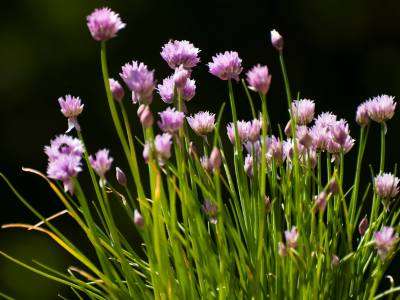
Chives are a member of the onion family with a mild onion flavor. They’re perennial, so they’ll come back year after year.
Sow: Outdoors
When to plant Chives: Early to mid-September
Zone 7 tips for planting chives in September:
- Choose a location with full sun to partial shade.
- Soil should be rich and well-draining.
- Thin seedlings to about 6 inches apart.
- Harvest by cutting the leaves, leaving at least 2 inches of growth.
Companion Plant Recommendations: Carrots, broccoli, cabbage, mustard greens, and peas.
Estimated time to harvest: 30-40 days
Cilantro
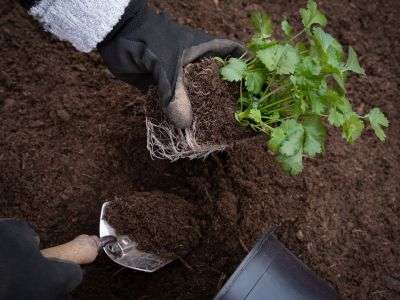
Cilantro, also known as coriander, is a versatile herb with a unique, aromatic flavor. It’s a cool-season herb that thrives in the milder temperatures of fall. It is important to harvest the leaves regularly so that the plant does not bolt.
Sow: Outdoors
When to plant Cilantro: Throughout September
Zone 7 tips for planting cilantro in September:
- Choose a variety that’s bolt-resistant.
- Plant in full sun to light shade.
- Soil should be well-draining and enriched with compost.
- Thin seedlings to about 6 inches apart.
- Harvest leaves as needed, but avoid taking more than one-third of the plant at a time.
Companion Plant Recommendations: Spinach, lettuce, and onions.
Estimated time to harvest: 60-75 days
Dill
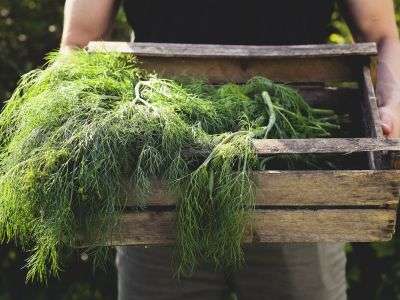
Dill, with its feathery leaves and aromatic seeds, is a great addition to many dishes, and also a key add-in to homemade pickles. It is important to harvest the leaves regularly so that the plant does not bolt.
Sow: Outdoors
When to plant Dill: Early to mid-September
Zone 7 tips for planting dill in September:
- Choose a sunny location.
- Soil should be fertile and well-draining.
- Thin seedlings to about 12 inches apart.
- Harvest leaves or seeds as they mature.
Companion Plant Recommendations: Lettuce, carrots, and onions.
Estimated time to harvest: 70-90 days
Garlic
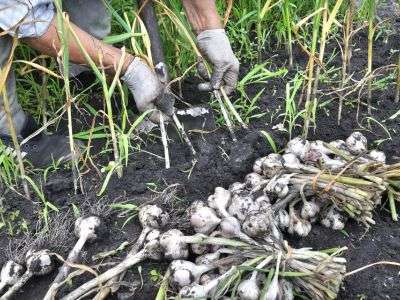
Garlic is a staple in many recipes, known for its pungent flavor and health benefits. It’s unique in that it’s planted in the fall and harvested in the summer. October is usually the best time to plant garlic, but you can get started in late September if you’re as impatient as me.
Sow: Outdoors
When to plant Garlic: Late September to early October
Zone 7 tips for planting garlic in September:
- Choose a sunny location.
- Break apart garlic bulbs and plant individual cloves, pointy end up.
- Soil should be well-draining.
- Mulch heavily to protect the cloves.
- Harvest in the summer when the tops begin to yellow and fall over.
Companion Plant Recommendations: Beets, strawberries, lettuce, and carrots.
Estimated time to harvest: Will yield in the following summer.
Lavender
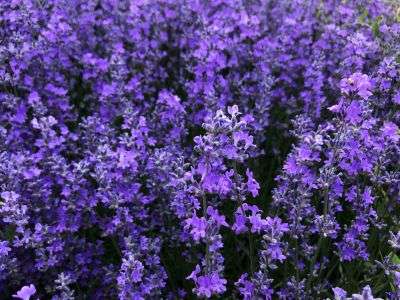
Lavender, known for its fragrant flowers, is often used in aromatherapy and culinary dishes. It’s a woody perennial that thrives in well-draining soil. It can be planted in September in Zone 7, but it is important to protect it from frost.
Sow: Outdoors
When to plant Lavender: Early September
Zone 7 tips for planting lavender in September:
- Choose a hardy variety.
- Plant in full sun.
- Soil should be light, well-draining, and slightly alkaline.
- Space plants about 18 inches apart.
- Water sparingly once established.
- Protect young plants from harsh winter conditions.
Companion Plant Recommendations: Rosemary, sage, thyme, cabbage and cauliflower
Estimated time to harvest: Will yield flowers in the following spring/summer.
Mint
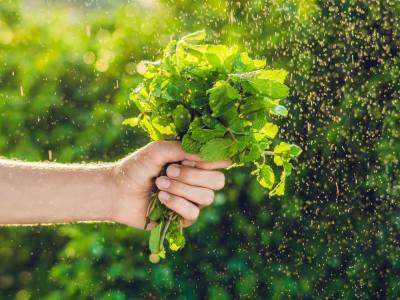
Mint is a fragrant herb that can be used in a variety of dishes and drinks. It’s a hardy perennial that can thrive in a range of conditions. It kind of grows like a weed, so avoid planting it in part of your yard that you don’t want taken over by the plant in the next season or two.
Sow: Outdoors
When to plant Mint: Early to mid-September
Zone 7 tips for planting mint in September:
- Choose a location with partial shade.
- Soil should be moist and rich in organic matter.
- Space plants about 18-24 inches apart.
- Keep the soil consistently moist.
- Harvest leaves as needed.
Companion Plant Recommendations: Cabbage, radishes, and peas.
Estimated time to harvest: 40-50 days
Oregano
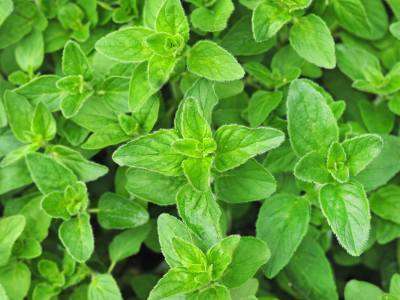
Oregano is a perennial herb known with aromatic leaves, commonly used in Italian and Greek recipes.
Sow: Outdoors
When to plant Oregano: Early September
Zone 7 tips for planting oregano in September:
- Choose a sunny location.
- Soil should be well-draining.
- Space plants about 8-10 inches apart.
- Water moderately once established.
- Harvest leaves as needed.
Companion Plant Recommendations: Basil, thyme, rosemary, broccoli, cabbage, and cauliflower
Estimated time to harvest: 30-40 days
Parsley
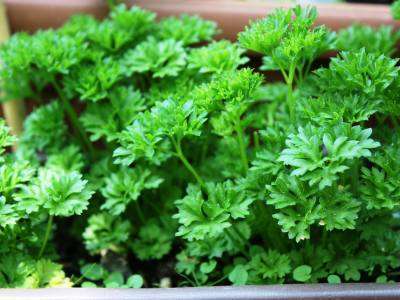
Parsley is a popular herb used both for culinary and decorative purposes. Its vibrant green leaves can be harvested throughout the season.
Sow: Outdoors
When to plant Parsley: Early to mid-September
Zone 7 tips for planting parsley in September:
- Choose a location with full sun to partial shade.
- Soil should be rich and well-draining.
- Thin seedlings to about 6 inches apart.
- Keep the soil consistently moist.
- Harvest leaves from the outer portions of the plant.
Companion Plant Recommendations: Carrots.
Estimated time to harvest: 70-90 days
Rosemary
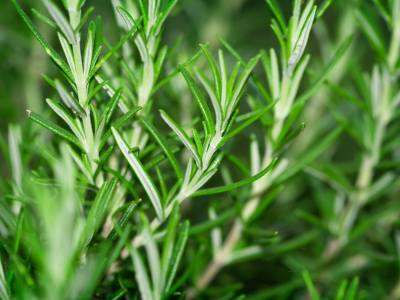
Rosemary is a woody perennial herb known for its fragrant needle-like leaves. It’s often used in Mediterranean cuisine. It can be planted in September in Zone 7, but it is important to protect it from frost.
Sow: Outdoors
When to plant Rosemary: Early September
Zone 7 tips for planting rosemary in September:
- Choose a sunny location.
- Soil should be light and well-draining.
- Space plants about 18 inches apart.
- Water sparingly once established.
- Protect young plants from harsh winter winds.
Companion Plant Recommendations: Cabbage, carrots, lavender, thyme, and sage.
Estimated time to harvest: Will yield leaves in about 30-40 days, but the plant will continue to grow and can be harvested year-round.
Sage
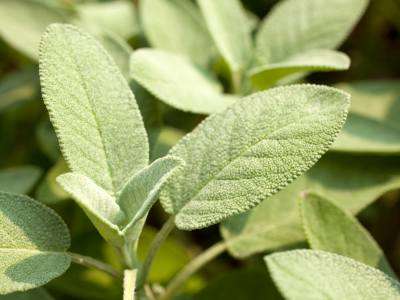
Sage, with its velvety leaves, is a popular herb in many dishes, especially during the Thanksgiving season. Mine grows back bigger and bigger every year, so I’m constantly looking for good recipes to use my sage.
Sow: Outdoors
When to plant Sage: Early September
Zone 7 tips for planting sage in September:
- Choose a sunny location.
- Soil should be well-draining.
- Space plants about 18-24 inches apart.
- Water moderately once established.
- Harvest leaves as needed.
Companion Plant Recommendations: Rosemary, thyme, cabbage, and lavender.
Estimated time to harvest: 75-85 days
Thyme
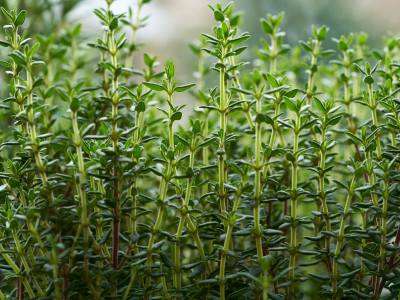
Thyme is a versatile herb with tiny, aromatic leaves. It’s a perennial that can be harvested year-round.
Sow: Outdoors
When to plant Thyme: Early to mid-September
Zone 7 tips for planting thyme in September:
- Choose a sunny location.
- Soil should be light and well-draining.
- Space plants about 6-8 inches apart.
- Water sparingly once established.
- Harvest sprigs as needed.
Companion Plant Recommendations: Rosemary, lavender, cabbage, and oregano.
Estimated time to harvest: 30-40 days
Pest and Disease Management for Fall Crops
As the cooler months approach, certain pests and diseases become more prevalent. It’s still just as essential to be proactive in your garden now as it is throughout the spring and summer.
Common Pests:
- Aphids: These tiny, and very annoying, insects can attack a variety of crops, sucking the sap from leaves and causing them to yellow and curl. A strong blast of water or insecticidal soap can help manage them. I find that a DIY mix of soap and olive oil usually works pretty well, but neem oil is the best for controlling aphids.
- Slugs and Snails: They love the cool, damp conditions of fall. They can damage leafy greens, delicate herbs, and fruiting plants. Use diatomaceous earth or copper tape as a barrier. You can also try using beer traps to attract and kill slugs and snails.
- Caterpillars: Many vegetables, especially cabbages and other brassicas, can get destroyed FAST by caterpillars. Handpick any that you see or use a natural insecticide like Bacillus thuringiensis, aka Bt.
- Fruit Flies: These can be a real pain around ripening fruits. Use sticky traps to catch them or make a DIY fruit fly trap.
- Whiteflies: These are tiny white insects that can cause yellowing of leaves. Insecticidal soaps or neem oil can be effective against them. You can also try putting sticky yellow whitefly traps around your plants.
Disease Management:
- Powdery Mildew: This fungus can affect a wide range of crops, from squashes to strawberries. It shows up as a white, powdery substance on leaves. Ensure plants have good air circulation and consider organic fungicides like sulfur or neem oil if needed.
- Root Rot: This affects plants that are overwatered or in poorly draining soil. Ensure your garden has well-draining soil and water only when the topsoil is dry. If your plant has root rot, it is important to remove it from the soil and discard it.
- Rust: Not the same as the rust that you get on metal. This is a fungal disease that can affect beans, garlic, and leeks, leading to orange-brown spots on leaves. Treat with a copper fungicide and also remove and dispose of affected leaves.
For most plant diseases, you should cut away the infected leaves and dispose of them far away from your garden so you don’t reinfect your plant or infect other nearby plants.
Prevention Tips:
- Crop Rotation: Avoid planting the same crop in the same spot year after year. This can reduce the chances of soil-borne diseases.
- Sanitize Your Gardening Tools: Ensure your tools are clean and disinfected to prevent the spread of diseases. A quick wipe with isopropyl alcohol is usually good enough.
- Healthy Soil: Enrich your soil with compost and organic matter to boost its health and improve drainage.
- Beneficial Insects: Encourage ladybugs, lacewings, and other beneficial insects that can act as natural predators for pests.
- Fertilize: Fertilizing your plants can make them extra strong and healthy, and more resistant to diseases.
- Remove diseased or infested plants: It’s a real bummer to have to get rid of a plant, but if you find a plant that is diseased or infested, remove it from the garden immediately. Diseases in your plants can spread to the rest of your garden way too easily.
Harvesting and Storing Fall Crops
As the cool autumn breeze sweeps in, it’s time to reap the rewards of your gardening efforts. Whether you’ve cultivated vegetables, fruits, or herbs, knowing when and how to harvest, as well as store them, is crucial for maintaining their freshness and flavor. Here’s a guide to help you make the most of your fall crops:
Harvesting Tips:
- Vegetables:
- Root Vegetables (e.g., carrots, beets): Harvest when they reach a usable size. I like to loosen the soil around the root first before pulling them out. Make sure not to disturb the root plants that you aren’t harvesting yet though. It’s also best to harvest root vegetables when the soil is cool and moist. This will help to prevent them from drying out.
- Leafy Greens (e.g., kale, spinach): Pick the outer leaves first. This allows the center to continue growing, so you get more harvest out of them.
- Brassicas (e.g., broccoli, cauliflower): Harvest when the heads are firm and tight, before they start to flower.
- Fruits:
- Apples and Pears: They should come off the branch easily when twisted slightly. The fruit’s background color, from green to yellow, is a good indicator of ripeness.
- Berries: They should be plump and fully colored. Harvest them gently to avoid bruising.
- Herbs:
- Harvest herbs in the morning after the dew has evaporated away, but before the sun gets too hot. This helps in retaining their essential oils.
- For herbs like basil and mint, pinch off the tips to encourage bushier growth.
Storing Tips:
- Vegetables:
- Root Vegetables: Remove the tops, clean off any soil, and store in a cool, dark place.
- Leafy Greens: Store in the refrigerator’s crisper drawer, wrapped in a damp cloth. Wait to wash leafy greens until you are ready to use them, otherwise they will wilt.
- Brassicas: These can be stored in a cool dark place for up to two weeks, longer for cabbage (several months). If you are storing them for longer, you can put them in the fridge.
- Fruits:
- Tree Fruits: Store in a cool, dark place. Some fruits, like apples, produce ethylene gas which can speed up the ripening of other produce, so store them separately. Or, you can use that ethylene gas to speed up the ripening of fruit that you want to ripen faster.
- Berries: Refrigerate them, but avoid washing until you’re ready to eat to prevent mold. Alternatively, you can wash them earlier with a vinegar soak to make them last longer in the fridge.
- Herbs:
- Drying: Tie bundles and hang them upside down in a dry, dark place. Keep them out of direct sunlight and in a well-ventilated area.
- Freezing: Chop them and place in ice cube trays with water or oil. Once frozen, transfer to freezer bags.
- Refrigerating: Store in a glass of water, with just the stems in the water, covering the leaves with a plastic bag.
- Make Herb Butter: This is my fanciest way to store some of the abundant harvests of herbs. You can pretty much mix and match whatever herbs you want, but this article has some great variations you can make.
Preparing Your Garden for Winter
As winter approaches, it’s usually a good idea to do some work now to keep your remaining plants alive and to prepare your garden so it’s ready for the next planting season.
- Mulching: Apply a thick layer of mulch to protect the soil of any late fall or winter crops and any perennial herbs from the cold. This also helps prevent erosion so you don’t lose your precious soil.
- Covering: Consider using frost cloths or row covers to protect tender herbs and crops from early frosts.
- Cleaning: Remove any fallen leaves or debris to prevent diseases and pests from overwintering. Also remove any spent plants, especially diseased or pest-infested plants.
- Harvesting: If you have any crops that are still producing, but not frost tolerant, harvest them before the first frost.
- Compost: Add compost to enrich the soil and replace nutrients that were used up during this year’s growing season. It also helps to improve the drainage of your soil.
- Cover Crops: Consider planting cover crops like clover or rye. Cover crops prevent soil erosion, suppress weeds, and can be tilled into the soil in spring as a sort of green manure. Clover naturally adds nitrogen to the soil as well, so it’s great for soil that is nitrogen depleted.
- Tool Care: Clean, sharpen, and oil your gardening tools before storing them for the winter.
- Soil Testing: Before preparing the garden for winter, it might be a good idea to do some soil testing. This can you understand your soil’s nutrient levels and pH, allowing you to make the best decisions about soil amendments you might need.
Planning for Next Year‘s Garden
It’s never too early to start planning for next year’s garden. Fall is great time to reflect on what worked, what didn’t, and how you can improve.
- Garden Journal: Keep a record of what you planted, pest issues, harvest times, and other observations. This can be a huge help for future planning.
- Seed Catalogs: Start browsing seed catalogs. Many companies offer early discounts for orders placed in the fall or winter.
- Crop Rotation: Plan to rotate your crops to prevent soil-borne diseases and pests. Different plants have different nutrient needs, so rotation can also help prevent soil depletion.
- Garden Design: Consider any structural or design changes you’d like to make. Fall can be a good time to build or repair raised beds, trellises, or pathways.
- Save your Seeds: If you save your own seeds, you can save money and have a wider variety of crops to choose from.
Wrapping Things Up
To all the Zone 7 gardeners out there, September is your time to shine. With the right techniques and a bit of experimentation, your garden will thrive. Remember to share your stories, successes, and even challenges in the comments. Let’s grow together!


