

I’m assuming you’re here because of one of two reasons:
- You missed out on early season planting and don’t want to miss the end of the season
- You have a thriving garden that you started earlier this year and want to keep it going as long as you can.
Either way, I’m here to help you figure out your plan for your garden’s fall planting, Zone 7 style!
It may be too late to get started on some plants like sweet potatoes and beans, but there are plenty of zone 7 fall crops you can put in the ground this August.
Understanding Zone 7 Climate in August
August is typically a very hot and humid month in zone 7. The weather is starting to cool from the July highs, but there is still room for unexpected swings to higher temperatures and temperature drops. August is usually more humid than the rest of the summer, but it is also typically lower in rainfall, so you should keep an eye on the weather report to schedule your watering.
Some things to keep in mind when figuring out what to plant in August in zone 7:
- The first frost date in USDA Hardiness Zone 7 is usually in mid-late October or early November
- To check for your expected last frost date, plug your zip code into Almanac.com’s frost date tool
- For best results with cool season crops, the soil temperature should be at least 60 degrees Fahrenheit before planting
- Because of the high temperature and low rainfall, you may need to water your vegetable garden more in August
What to plant in Zone 7 in August
There is a full list further down this post of every herb, fruit, and veggie to plant in zone 7 in August, but these are some of the plants that will do the best:
- Cool-season crops: broccoli, Brussels sprouts, cabbage, carrots, cauliflower, celery, collards, kale, lettuce, peas, potatoes, spinach, and turnips.
- Root crops: beets, carrots, parsnips, and radishes.
- Leafy greens: arugula, spinach, and lettuce.
- Herbs: basil, chives, cilantro, dill, mint, oregano, parsley, rosemary, and thyme.
- *Flowers: asters, chrysanthemums, mums, marigolds, and pansies.
*Not exactly part of the “edible” garden, but they’ll help bring pollinators, keep away some pests, and make your garden look nice!
Vegetables to Plant in August in Zone 7
FYI, the estimated times to harvest below can vary based on the specific variety of the plant and the growing conditions. Always check the plant label or seed packet to see how long each variety’s maturity time is.
Broccoli
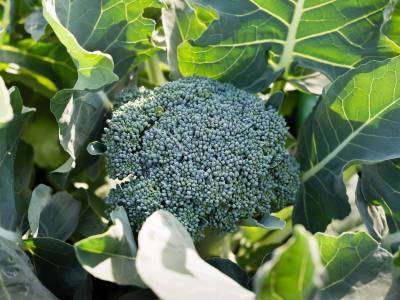
Broccoli, a Brassicaceae plant, is a cool-season crop that thrives when planted either in the middle of spring for an early summer crop, or late summer for a fall harvest. Broccoli matures best when the weather is between 40 degrees and 70 degrees F, so it does best when planted on either end of the gardening season in zone 7.
Sow: Outdoors
When to plant Broccoli: Mid to late August
Zone 7 tips for planting broccoli in August:
- Choose a variety that is known to be cold-hardy
- Plant in full sun or partial shade
- Keep the soil consistently moist, especially during hot, dry weather
- Apply a thick layer of mulch to keep the roots cool and retain moisture
- Fertilize every few weeks with a balanced fertilizer
- Harvest the heads when they are still small and tightly closed. If you wait too long, the heads can become loose and the taste can become bitter
Companion Plant Recommendations: Beets, celery, cucumbers, onions, potatoes
Estimated time to harvest: 70-100 days
Brussels sprouts

Another Brassicaceae, brussels sprouts are another hardy vegetable that grows best in cool weather. If you’ve never been a big fan of brussels sprouts, sprouts from your garden are not the same blah flavor you get from those frozen bags in the grocery store. Garden grown brussels sprouts are a delicious, and super healthy, vegetable that can be eaten raw or cooked.
Sow: Indoors or Outdoors (ideally indoors)
When to plant Brussels Sprouts: Early to mid-August
Tips for planting Brussels Sprouts in August:
- Choose a variety that is known to be cold-hardy
- Plant in a spot with full sun and well-drained soil.
- Keep the soil consistently moist, especially during hot, dry weather
- Apply a thick layer of mulch to keep the roots cool and retain moisture
- Fertilize every few weeks with a balanced fertilizer
- Harvest the sprouts when they are firm and 1 to 1.5 inches in diameter, about the size of a golf ball
Companion Plant Recommendations: Beets, celery, onions, potatoes
Estimated time to harvest: 80-100 days
Cabbage

Another member of the Brassicaceae family! Are we noticing a trend here? Each cabbage plant will grow one head of cabbage, but if you time it right, you can get another one or two heads out of your annual harvest by cutting back the plant, with some leaves left at the base.
Sow: Outdoors
When to plant Cabbage: Early to mid-August
Zone 7 tips for planting cabbage in August:
Choose a variety that is known for its cold hardiness.
- Choose a variety that is known to be cold-hardy
- Plant in a spot with full sun and well-drained soil.
- Keep the soil consistently moist, especially during hot, dry weather
- Apply a thick layer of mulch to keep the roots cool and retain moisture
- Fertilize every few weeks with a balanced fertilizer
- Harvest the heads when they are firm and compact
Companion Plant Recommendations: Beets, celery, onions, potatoes
Estimated time to harvest: 70-95 days
Carrots
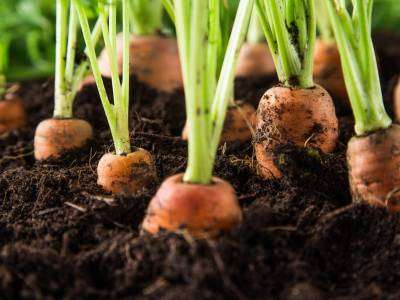
Carrots are another cool-season crop that can be planted in August in zone 7. Carrots don’t do well when transplanting, so it is best to direct sow them into your garden. Typically, they take about 60 days before they are ready for harvest.
Sow: Directly in the garden
When to plant Carrots: Early to mid-August
Tips for planting carrots in August:
- Choose a variety that is known to be cold-hardy
- Plant in full sun. Even though the part you eat is underground, carrots don’t do great in shade or partial shade.
- Keep the soil consistently moist, especially during hot, dry weather
- Thin seedlings to about 2 inches apart once they’re an inch tall
- Apply a thick layer of mulch to keep the roots cool and retain moisture
- Fertilize every few weeks with a balanced fertilizer.
- Harvest the carrots tops are about 3/4 to 1 inch in diameter and/or if you see the carrot starting to pop out of the soil
Estimated time to harvest: 70-80 days
Companion plants: Beans, lettuce, onions, peas, peppers, tomatoes
Cauliflower

I gave you a break with carrots, but we’re back to the Brassicaceae plants. It seems like cauliflower is sneaking into everything nowadays as a healthy alternative to things like rice, pasta, and mac and cheese. It’s a healthy plant that would be a great addition to anyone’s zone 7 edible garden!
Sow: Outdoors
When to plant Cauliflower: Early to mid-August
Tips for planting cabbage in August:
- Choose a variety that is known to be cold-hardy
- Plant in a spot with full sun and well-drained soil.
- Keep the soil consistently moist, especially during hot, dry weather
- Apply a thick layer of mulch to keep the roots cool and retain moisture
- Fertilize every few weeks with a balanced fertilizer.
- Harvest the heads when they are compact, white, and firm.
Estimated time to harvest: 55-100 days
Companion plants: Beans, celery, oregano, peas, spinach
Celery
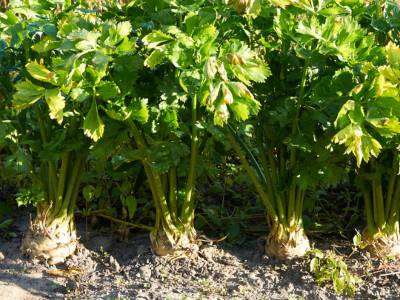
A great cool season crop to grow in zone 7 that you can use to mix into other meals for some crunch, as a mirepoix base, or a quick snack. Celery has a long time to maturity, around 130 to 140 days, but there are some short-season varieties you can find that will be ready to harvest closer to 60 days, enough time to get before the first frost hits.
Sow: Outdoors
When to plant Celery: Early to mid-August
Tips for planting celery in August:
- Choose a variety that is known to be cold-hardy
- Plant in a spot with full sun and well-drained soil.
- Keep the soil consistently moist, especially during hot, dry weather
- Apply a thick layer of mulch to keep the roots cool and retain moisture
- Fertilize every few weeks with a balanced fertilizer.
- Harvest the stalks when they are about 8 inches tall.
- Blanch the stalks of celery to prevent them from becoming bitter.
Estimated time to harvest: 100-130 days
Companion plants: Beans, cabbage, leeks, tomatoes
Cucumbers
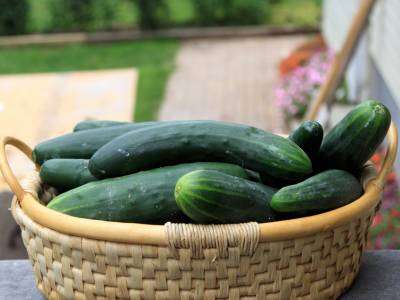
Cukes are a warm season crop, but you can still get some life out of them if you plant them in August. Starting from seed might be pushing it this late in the season, so it could be best to pick up a plant from a local nursery that you can transplant into your garden. Once they start vining, the cucumbers follow pretty quickly.
Sow: Outdoors
When to plant Cucumbers: Early August
Tips for planting Cucumbers in August:
- Choose a variety that is known to be cold-hardy
- Plant in a spot with full sun and well-drained soil.
- Keep the soil consistently moist, especially during hot, dry weather
- Apply a thick layer of mulch to keep the roots cool and retain moisture
- Fertilize every few weeks with a balanced fertilizer.
- Harvest the cucumbers when they are bright green and firm.
Estimated time to harvest: 50-70 days
Companion plants: Beans, corn, peas, radishes, sunflowers
Eggplant
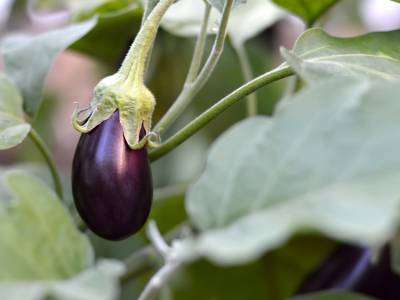
Like cucumbers, eggplant are a warm season crop that would have been better off planted in the early season, especially because lots of the varieties require long growing seasons. That being said, there are a few varieties that can be ready to harvest in under 65 days like early black egg, Asian delight, and fairy tale eggplants.
Sow: Outdoors
When to plant Eggplant: Early August
Tips for planting Eggplant in August:
- Choose a variety that is known to be cold-hardy and early maturing.
- Plant in a spot with full sun and well-drained soil.
- Keep the soil consistently moist, especially during hot, dry weather
- Apply a thick layer of mulch to keep the roots cool and retain moisture
- Fertilize every few weeks with a balanced fertilizer.
- Harvest the eggplants when they are glossy and firm.
Estimated time to harvest: 100-120 days
Companion plants: Beans, peppers, potatoes, tomatoes
Kale
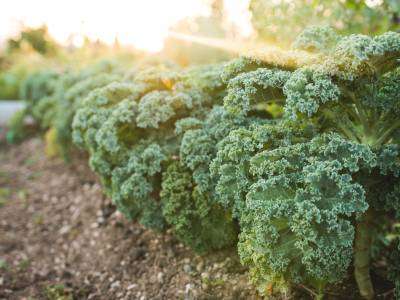
The last of the Brassicaceae plants on this list. Did you know that kale was in the same family as broccoli? Great in a fast growing and nutrient packed cool-season crop that you can mix in a salad or blend up in a smoothie.
Sow: Outdoors
When to plant Kale: Mid to late August
Tips for planting kale in August:
- Choose a variety that is known to be cold-hardy
- Plant in a spot with full sun and well-drained soil.
- Keep the soil consistently moist, especially during hot, dry weather
- Apply a thick layer of mulch to keep the roots cool and retain moisture
- Fertilize every few weeks with a balanced fertilizer.
- Harvest the leaves when they are young and tender.
Estimated time to harvest: 55-75 days
Companion plants: Beets, celery, cucumbers, herbs, onions
Lettuce
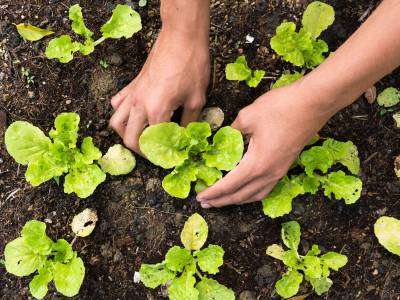
If you planted lettuce in the spring, chances are it bolted during the hotter days of summer and needed to be pulled. August gives you a shot at a second harvest of lettuce! And it’ll grow super fast too!
Sow: Outdoors
When to plant Lettuce: Mid to late August
Tips for planting lettuce in August:
- Choose a variety that is known to be cold-hardy
- Plant in a spot with full sun and well-drained soil.
- Keep the soil consistently moist, especially during hot, dry weather
- Apply a thick layer of mulch to keep the roots cool and retain moisture
- Fertilize every few weeks with a balanced fertilizer.
- Head lettuce varieties should be thinned to 6 to 12 inches apart, while loose-leaf lettuce varieties should be thinned to 4 to 6 inches apart
- Harvest the leaves when they are young and tender
Estimated time to harvest: 30-60 days
Companion plants: Beets, carrots, radishes, strawberries
Okra
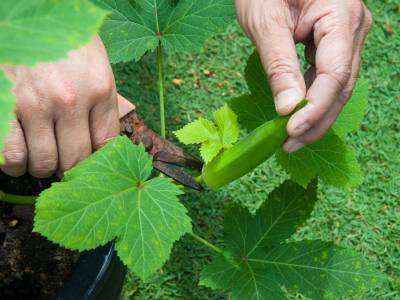
Okra is a warm season crop, but it grows fairly quickly so you can get a fall harvest out of it. The plants will do much better if you started the seedlings indoors earlier, but you can still sow them directly in the garden in August.
Sow: Outdoors
When to plant Okra: Early August
Tips for planting Okra in August:
- Choose a variety that is known to be cold-hardy
- Plant in a spot with full sun and well-drained soil.
- Keep the soil consistently moist, especially during hot, dry weather
- Apply a thick layer of mulch to keep the roots cool and retain moisture
- Fertilize every few weeks with a balanced fertilizer.
- Harvest the okra when it is still young and tender.
Estimated time to harvest: 50-65 days
Companion plants: Cucumbers, eggplant, peppers
Peas

Peas are another cool-season crop that will grow abundantly before the season is over. When planting outdoors, sow the seeds about 1 inch deep and 1 inch apart.
Sow: Outdoors
When to plant Peas: Mid to late August
Tips for planting Peas in August:
- Choose a variety that is known to be cold-hardy
- Plant in a spot with full sun and well-drained soil
- Keep the soil consistently moist, especially during hot, dry weather
- Apply a thick layer of mulch to keep the roots cool and retain moisture
- Fertilize every few weeks with a balanced fertilizer
- Harvest the peas when the pods are plump and before they start to harden
Estimated time to harvest: 60-70 days
Companion plants: Beans, carrots, corn, cucumbers, radishes
Peppers
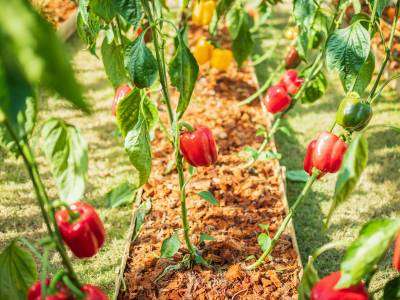
Peppers are a warm-season crop that can still be planted in early August for a late harvest. It’s another plant that I’d recommend picking up an established plant from a nursery to transplant into your garden.
Sow: Outdoors
When to plant Peppers: Early August
Tips for planting Peppers in August:
- Choose a variety that is known to be heat-tolerant
- Plant in a spot with full sun and well-drained soil
- Keep the soil consistently moist, especially during hot, dry weather
- Apply a thick layer of mulch to keep the roots cool and retain moisture
- Fertilize every few weeks with a balanced fertilizer
- Harvest the peppers when they are firm and brightly colored
Estimated time to harvest: 60-90 days
Companion plants: Basil, onions, tomatoes
Radishes
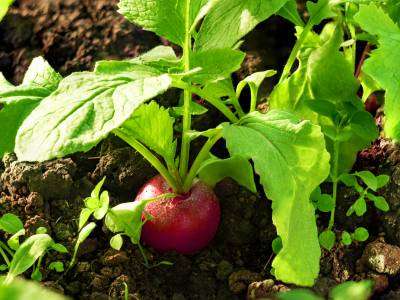
If you want to plant a vegetable that’s ready to harvest in no time, radish is going to be your garden MVP. They can be ready to pull up and eat in as little as 20 days!
Tips for planting Radishes in August:
- Choose a variety that is known to be cold-hardy
- Plant in a spot with full sun and well-drained soil
- Keep the soil consistently moist, especially during hot, dry weather
- Apply a thick layer of mulch to keep the roots cool and retain moisture
- Fertilize every few weeks with a balanced fertilizer
- Harvest the radishes when they are about 1 inch in diameter
Estimated time to harvest: 20-30 days
Companion plants: Cucumbers, peas, lettuce, tomatoes
Spinach
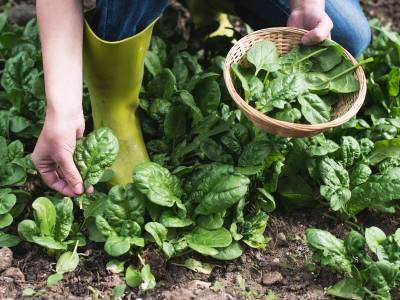
Another fairly quick growing crop that you can start harvesting in just a few weeks, depending on the variety. As soon as you start seeing some nice sized leaves, you can cut them out of your garden. Leave most of the plant intact and it’ll keep growing more leaves in just a few days.
Tips for planting Spinach in August:
- Choose a variety that is known to be cold-hardy
- Plant in a spot with full sun to partial shade and well-drained soil
- Keep the soil consistently moist, especially during hot, dry weather
- Apply a thick layer of mulch to keep the roots cool and retain moisture
- Fertilize every few weeks with a balanced fertilizer
- Harvest the leaves when they are young and tender
Estimated time to harvest: 20-45 days
Companion plants: Cabbage, cauliflower, celery, peas
Summer squash
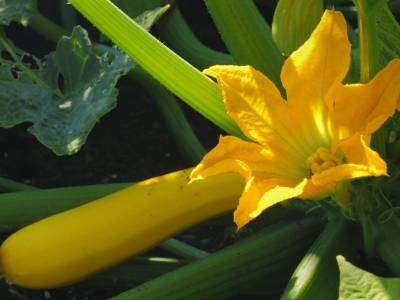
The name says “summer” squash, but you can still get a fall harvest out of these fast growing warm-season crops. Summer squash varieties like zucchini, yellow squash, and pattypan squash.
Sow: Outdoors
When to plant Summer Squash: Early August
Tips for planting Summer squash in August:
- Choose a variety that is known to be cold-hardy
- Plant in a spot with full sun and well-drained soil
- Keep the soil consistently moist, especially during hot, dry weather
- Apply a thick layer of mulch to keep the roots cool and retain moisture
- Fertilize every few weeks with a balanced fertilizer
- Harvest the squash when they are small and tender
Estimated time to harvest: 40-50 days
Companion plants: Corn, peas, radishes
Tomatoes
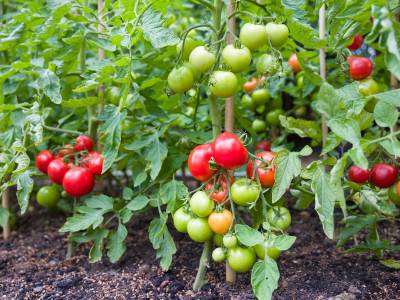
Tomatoes, the staple to most vegetable gardens…even though they are actually fruit. They are a warm-season crop, but you can definitely get some harvests by planting tomatoes in August. In general, cherry and grape tomato varieties will be ready for harvest faster than full size tomatoes. If you want a tomato variety that is ready to harvest fast in zone 7, try to find early gray, sub-artic plenty, sungold, or moskvich tomatoes.
Sow: Outdoors
When to plant Tomatoes: Early August
Tips for planting Tomatoes in August:
- Choose a variety that is known to be cold-hardy
- Plant in a spot with full sun and well-drained soil
- Keep the soil consistently moist, especially during hot, dry weather
- Apply a thick layer of mulch to keep the roots cool and retain moisture
- Fertilize every few weeks with a balanced fertilizer
- Harvest the tomatoes when they are bright and firm
Estimated time to harvest: 60-80 days
Companion plants: Basil, carrots, onions, peppers
Fruits to Plant in August in Zone 7
Unless you buy an already fruiting plant from a local nursery, most of the fruit below can be planted this year, but won’t be ready for harvest until next year. That being said, August is a great time to get some of these returning plants in your garden. The weather is still warm, but not too hot, so the plants will have a chance to establish themselves before winter comes.
Blackberries/Blueberries/Raspberries

Each of these fruit plants are surprisingly easy to grow and can be planted in a variety of soil types. Plant them this year for a big harvest next year.
Plant: Bare root or potted plants
When to plant Blackberries/Blueberries/Raspberries: Early to mid-August
Zone 7 tips for planting Blackberries/Blueberries/Raspberries in August:
- Choose a variety that is known to be cold-hardy
- Plant in a spot with full sun and well-drained soil
- Keep the soil consistently moist, especially during hot, dry weather
- Apply a thick layer of mulch to keep the roots cool and retain moisture
- Fertilize every few weeks with a balanced fertilizer
- Prune the plants in late winter to encourage new growth
Estimated time to harvest: 1-2 years
Companion plants: Mint, rosemary, sage
Strawberries
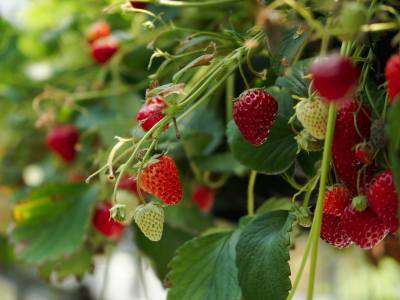
Strawberries can be planted in the spring or fall, but August is a good time to plant them in zone 7 because the weather is still warm and the plants will have time to establish themselves before the winter. This way you’ll get an established plant for next year’s harvest.
Plant: Bare root or potted plants
When to plant Strawberries: Early to mid-August
Zone 7 tips for planting strawberries in August:
- Choose a variety that is known to be cold-hardy
- Plant in a spot with full sun and well-drained soil
- Keep the soil consistently moist, especially during hot, dry weather
- Apply a thick layer of mulch to keep the roots cool and retain moisture
- Fertilize every few weeks with a balanced fertilizer
- Prune the plants in late winter to encourage new growth
Estimated time to harvest: 4-6 weeks after blossoming, typically in the following spring
Companion plants: Beans, borage, lettuce, onions, spinach, thyme
Herbs to Plant in August in Zone 7
The herbs below are all cool-season herbs that prefer cooler temperatures. Planting them in August will give them a chance to get established before the winter and add a lot of flavor to your fall recipes.
Basil
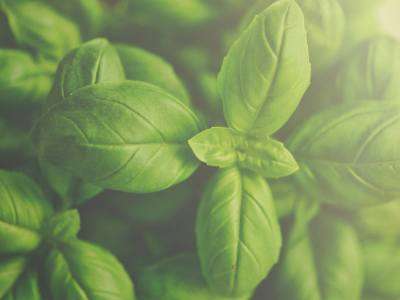
This is the only herb on the list that won’t grow back next year. It’s still worth growing them though, especially if you’ve got some tomatoes in the garden! I love to pull a ripe tomato off of the vine and wrap it in a piece of basil for a tasty snack when I’m gardening.
Sow: Outdoors
When to plant Basil: Early to mid-August
Tips for planting Basil in August:
- Choose a variety that is known to be heat-tolerant
- Plant in a spot with full sun and well-drained soil
- Keep the soil consistently moist, but not waterlogged
- Fertilize every few weeks with a balanced fertilizer
- Harvest the leaves as needed, but be sure to pinch off the flowers to encourage leaf growth
Estimated time to harvest: 60-70 days
Companion Plant Recommendations: Tomatoes, peppers, oregano
Chives
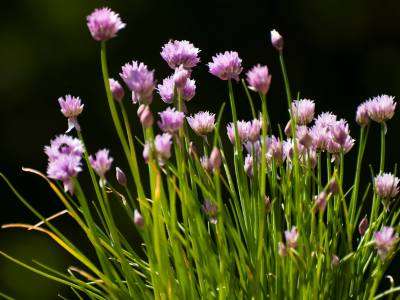
Chives are best planted either in early spring or early fall, so you’ve got a shot here to get some planted for a fall harvest. Chives are a perennial so they’ll come back for a returning crop next year.
Sow: Outdoors
When to plant Chives: Early to mid-August
Tips for planting Chives in August:
- Choose a variety that is known to be cold-hardy
- Plant in a spot with full sun to partial shade and well-drained soil.
- Keep the soil consistently moist, especially during hot, dry weather
- Fertilize every few weeks with a balanced fertilizer.
- Harvest the leaves as needed, cutting them back to the base of the plant.
Estimated time to harvest: 60-90 days
Companion plants: Carrots, tomatoes, parsley
Dill
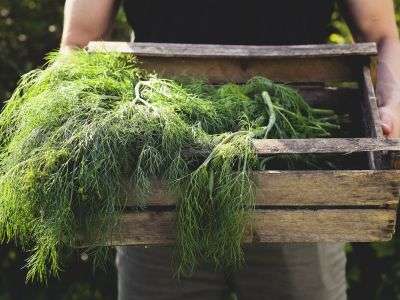
Dill is an annual herb, but it is self-seeding, so there’s a good chance you’ll have some fresh dill growing in the spring. If you haven’t made your own pickles yet, I recommend trying it and growing some dill to add some great flavor.
Sow: Outdoors
When to plant Chives: Early to mid-August
Tips for planting Chives in August:
- Choose a variety that is known to be cold-hardy
- Plant in a spot with full sun to partial shade and well-drained soil.
- Keep the soil consistently moist, especially during hot, dry weather
- Fertilize every few weeks with a balanced fertilizer.
- Harvest the leaves as needed, cutting them back to the base of the plant.
Estimated time to harvest: 60-90 days
Companion plants: Carrots, tomatoes, parsley
Mint
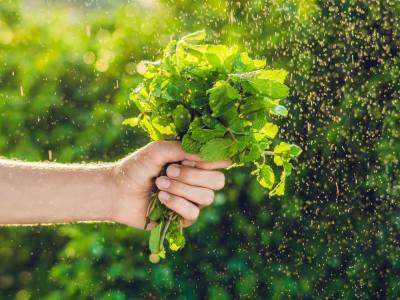
Mint is a perennial that will return next year, and then some! Be careful where you plant your mint, because it has a tendency to spread like weeds, taking over your garden and yard.
Sow: Outdoors
When to plant Mint: Early to mid-August
Tips for planting Mint in August:
- Choose a variety that is known to be cold-hardy
- Plant in a spot with full sun to partial shade and well-drained soil.
- Keep the soil consistently moist, especially during hot, dry weather
- Fertilize every few weeks with a balanced fertilizer.
- Harvest the leaves as needed, cutting them back to the base of the plant.
Estimated time to harvest: 60-90 days
Companion plants: Cabbage, tomatoes, peas
Oregano
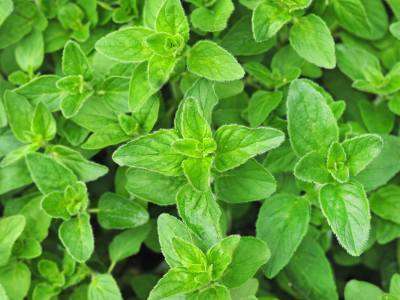
Oregano is a perennial herb that is hardy in zone 7. It will come back year after year with little care. If you like to cook Italian or Greek food, then oregano should have a dedicated spot in your garden.
Sow: Outdoors
When to plant Oregano: Early to mid-August
- Tips for planting Oregano in August:
- Choose a variety that is known to be cold-hardy
- Plant in a spot with full sun and well-drained soil.
- Keep the soil consistently moist, especially during hot, dry weather
- Fertilize every few weeks with a balanced fertilizer.
- Harvest the leaves as needed, cutting them back to the base of the plant.
Estimated time to harvest: 60-90 days
Companion plants: Peppers, basil, tomatoes
Parsley
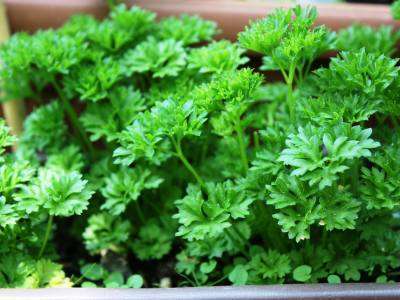
Parsley is a biennial herb, which means it will grow for two years before it dies. The first year, it will produce leaves, and the second year, it will produce flowers and seeds. The second year the leaves are edible, but will be more bitter once they go to seed.
Sow: Outdoors
When to plant Parsley: Early to mid-August
Tips for planting Parsley in August:
- Choose a variety that is known to be cold-hardy
- Plant in a spot with full sun to partial shade and well-drained soil.
- Keep the soil consistently moist, especially during hot, dry weather
- Fertilize every few weeks with a balanced fertilizer.
- Harvest the leaves as needed, cutting them back to the base of the plant.
Estimated time to harvest: 70-90 days
Companion plants: Tomatoes, asparagus, roses
Rosemary
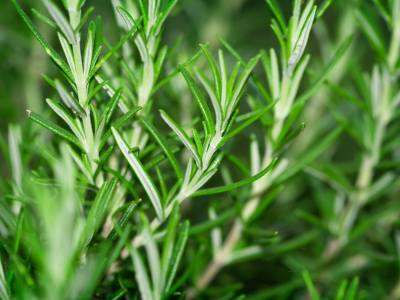
Rosemary is a woody herb that is known for its strong flavor. It is a hardy herb that can tolerate a wide range of temperatures. Slow to start, but once it gets established, rosemary will flourish in your garden.
Sow: Outdoors
When to plant Rosemary: Early to mid-August
Tips for planting Rosemary in August:
- Choose a variety that is known to be cold-hardy
- Plant in a spot with full sun and well-drained soil.
- Keep the soil consistently moist, especially during hot, dry weather
- Fertilize every few weeks with a balanced fertilizer.
- Harvest the leaves as needed, cutting them back to the base of the plant.
Estimated time to harvest: 90-200 days
Companion plants: Beans, cabbage, carrots
Sage
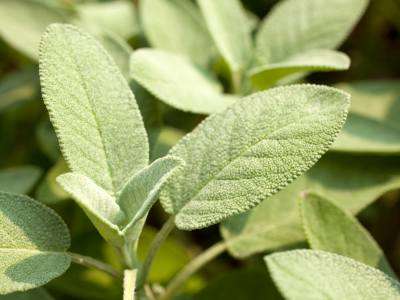
If you plant sage, make sure you have some room for it to come back next year. It’s a perennial herb that can get pretty big in future seasons. Mine got so big that I had to teach myself a lot of new recipes using sage just to keep up.
Sow: Outdoors
When to plant Sage: Early to mid-August
Tips for planting Sage in August:
- Choose a variety that is known to be cold-hardy
- Plant in a spot with full sun and well-drained soil.
- Keep the soil consistently moist, especially during hot, dry weather
- Fertilize every few weeks with a balanced fertilizer.
- Harvest the leaves as needed, cutting them back to the base of the plant.
Estimated time to harvest: 75-80 days
Companion plants: Rosemary, cabbage, carrots
Thyme
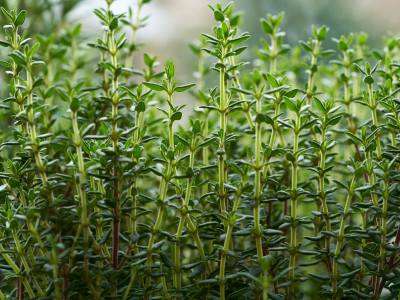
Thyme is an earthy and flavorful herb that goes great with roasted chicken, potatoes, or sauteed mushrooms. The plant is drought tolerant, so will survive even if you forget to water it for a couple of weeks.
Sow: Outdoors
When to plant Thyme: Early to mid-August
Tips for planting Thyme in August:
- Choose a variety that is known to be cold-hardy
- Plant in a spot with full sun and well-drained soil.
- Keep the soil consistently moist, especially during hot, dry weather
- Fertilize every few weeks with a balanced fertilizer.
- Harvest the leaves as needed, cutting them back to the base of the plant.
Estimated time to harvest: 85-95 days
Companion plants: Cabbage, potatoes, tomatoes
Wrapping up, August in Zone 7 is a goldmine for gardeners. It definitely isn’t too late to start a garden or to plant the seeds to extend your garden season into the winter. The array of vegetables, fruits, and herbs ready for planting ensures a rich harvest in the coming months. But remember, while guidelines are helpful, the real magic happens when you tune into your garden’s unique needs and rhythms. So, dive in, get your hands dirty, and let’s make the most of August. And hey, if you’ve got some August gardening tales to tell, we’re all ears! Comment below and let’s grow together.


