

Gardening doesn’t have to stop just because it got a little cold outside. There are plenty of cold weather crops in Zone 7 that can keep you busy in the garden and fresh food on your table. The key is finding which plants survive best in the winter, so I made this guide to help you set up your winter garden.
Why Cold Hardy Plants?
Cold hardy plants are resilient and resistant to dying in colder weather. That’s probably the reason they are also called “cold-resistant” and “frost-resistant” plants. These plants adapted over time to thrive in cooler temperatures, making them a possible way to grow more crops into the colder months.
Survival in Frost: Unlike most other vegetable garden plants that die off at the first sign of frost, cold-hardy varieties keep going strong. Their cellular structure allows them to survive light frosts and, for some varieties, even hard frosts.
Extended Growing Season: By planting cold-hardy plants into your garden, you’re able to extend your growing season. This not only means more harvests but also a garden that remains vibrant and lively for a more extended period. For gardeners in Zone 7, this can be a game-changer, allowing for a more diverse range of crops and a garden that remains productive almost year-round.
Is there a difference between cold tolerant plants and cold resistant plants?
Yes, there absolutely is.
When you’re planning your winter garden, be mindful of your seed labels and plant tags to determine if you’re looking at cold season crops. There are some differences here:
- Cold Tolerant Plants: Can survive in colder temperatures for a limited period without significant damage. They can survive light frosts and brief periods of freezing temperatures BUT may not thrive in prolonged cold conditions. Cold tolerance often refers to the plant’s ability to survive cold spells but not necessarily grow vigorously during them.
- Cold Resistant Plants: These plants are not only able to survive cold temperatures but can also continue to grow and thrive in the weather. They have special mechanisms (antifreeze proteins, protective compounds, dehydration, membrane changes, etc.) that allow them to resist the harsh effects that cold has on other plants and continue to flourish.
We can actually break this down a little further:
| Term | Definition | Notes | Examples of crops that can be grown in gardens |
| Winter Hardy | Can survive the winter, including prolonged cold and snow | Native to cold climates. | Apple trees, Pear trees, Kale, Spinach, Broccoli, Brussels sprouts |
| Frost Hardy | Can withstand light frosts | Specific to light frosts. | Lettuce, Swiss chard, Kale, Spinach, Peas, Radishes |
| Freeze Resistant | Can withstand freezing temperatures without being damaged | Plants that have developed mechanisms to protect their cells from ice formation and other cold-induced damages. | Broccoli, Cauliflower, Cabbage, Collard greens, Turnips, Rutabagas, Parsnips, Strawberries |
| Cold Tolerant | Can withstand colder temperatures for a period of time without significant damage | Plants can survive cold spells but not necessarily grow vigorously during them. | Carrots, Beets, Potatoes, Onions, Garlic, Asparagus, Rhubarb |
| Chill Tolerant | Can endure chilly conditions but not necessarily hard frosts or freezes | Often used for plants grown in areas with mild winters. | Spinach, Lettuce, Arugula, Cabbage |
| Cool Season Plants | Prefer cooler temperatures and are often planted in the spring or fall | Often used for vegetables and flowers that are not tolerant of hot weather. | Peas, Radishes, Beets, Carrots, As |
Zone 7 Frost Dates
Gardening is as much about timing as it is about soil, water, and sunlight. With that timing, comes knowing your frost dates and how to work with them.
What are frost dates?
These are the average dates when the first frost occurs in the fall and the last frost occurs in the spring. The first frost date is the date when the temperature is expected to drop below 32 degrees Fahrenheit (0 degrees Celsius) for the first time in the fall. The last frost date is the date when the temperature is expected to reach above 32 degrees Fahrenheit for the last time in the spring.
You need to know these dates to plan for planting anything that isn’t cold hardy and can be damaged or die in the cold.
Zone 7’s Frost Dates
The frost dates vary across the zone, but the average for each zone is:
- Zone 7 Frost Dates:
- Average first frost date: October 29
- Average last frost date: April 27
- Zone 7a Frost Dates:
- Average first frost date: October 22
- Average last frost date: April 22
- Zone 7b Frost Dates:
- Average first frost date: November 5
- Average last frost date: May 2
To find your estimated first and last frost date, drop your zip code into this 2023 First and Last Frost Dates tool. Remember, it’s just an estimate. Weather is unpredictable, so you can wind up with a frost date weeks before or after the estimated one.
Cold-Resistant Crops for Zone 7
Zone 7, with its average minimum winter temperatures between 0 to 10 degrees Fahrenheit, can support a wide variety of cold-resistant plants. Here’s a list of some cold-resistant plants that thrive in Zone 7’s winters:
Vegetables to Plant in Zone 7 for Cold Resistance
Most of the cold resistant vegetables you can plant in zone 7 are going to be either root vegetables or members of the cabbage family, like broccoli, cauliflower, Brussels sprouts, and kale. Those all do great in cold weather, but I’m including a bunch of other veggies here that have cold resistance.
*all of the “Last Planting Dates” are estimates based on average first frost dates throughout Zone 7. “When to Plant” refers to the optimal time to plant them.
1. Kale
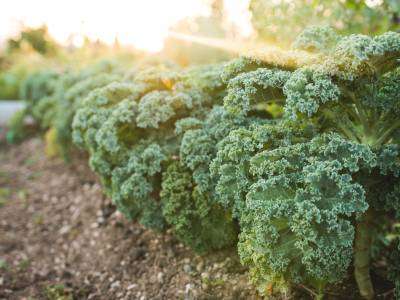
This famous “super food” is not only versatile in the kitchen but also a great addition for any winter garden. Its flavor is known to improve after a frost.
When to Plant: Early spring or late summer for a fall harvest.
- Last Planting Date: Mid-September
Growing Tips: Kale prefers cooler temperatures and can even become sweeter after a frost. Make sure you keep the soil consistently moist.
Cold-Resistant Varieties: Winterbor, Red Russian, Lacinato.
Estimated Time to Harvest: 50-65 days.
2. Spinach
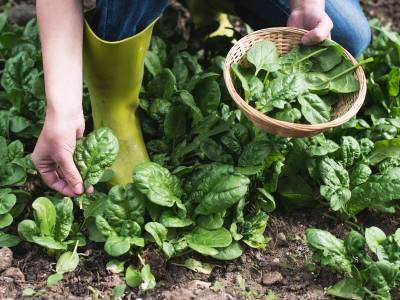
Spinach is a cool-season plant that often produces abundantly in the cold. Its tender leaves can be used in salads or cooked dishes, rich in iron and vitamins.
When to Plant: Early spring or late summer.
- Last Planting Date: Early October
Growing Tips: Spinach thrives in cool temperatures and requires regular watering.
Cold-Resistant Varieties: Bloomsdale, Space, Giant Winter.
Estimated Time to Harvest: 37-50 days.
3. Broccoli
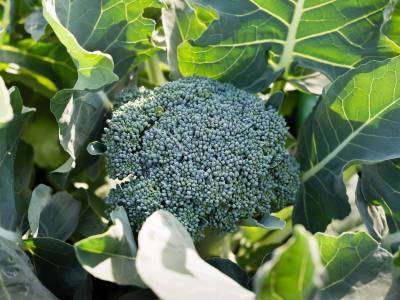
Broccoli, with its tree-like green heads, is a staple in many kitchens. This cool-loving crop is not only rich in vitamins but also adds a crunchy texture to meals, making it a must-have for fall and early spring gardens.
When to Plant: Early spring or late summer for a fall harvest.
- Last Planting Date: Late August to early September
Growing Tips: Broccoli prefers cooler temperatures between 40°F and 70°F. Keep the soil consistently moist.
Cold-Resistant Varieties: Calabrese, Waltham 29, Green Magic.
Estimated Time to Harvest: 70-100 days.
4. Brussels Sprouts

Brussels sprouts are small, round vegetables that are related to broccoli. They have a nutty flavor and are a good source of vitamins C, K, and fiber. Brussels sprouts can be eaten raw, cooked, or juiced. I promise, the sprouts from your garden will taste way better than the ones you’ll get from the freezer section of your grocery store.
When to Plant: Early spring or mid-summer for a fall to winter harvest.
- Last Planting Date: Late July to early August
Growing Tips: They require a long growing season and mature best in the cool temperatures of fall.
Cold-Resistant Varieties: Long Island Improved, Jade Cross, Catskill.
Estimated Time to Harvest: 90-100 days.
5. Cabbage

Both red and green varieties of cabbage are cold-tolerant and rich in nutrients, like vitamins C and K. It can be eaten raw, cooked, or fermented. Try using your cabbage harvest to make coleslaw, sauerkraut, or kimchi.
When to Plant: Early spring or late summer.
- Last Planting Date: Late July to early August
Growing Tips: Both red and green varieties are cold-tolerant. Ensure consistent moisture.
Cold-Resistant Varieties: Copenhagen Market, Red Acre, Savoy King.
Estimated Time to Harvest: 70-95 days.
6. Cauliflower

Cauliflower is a cool-season crop that lately seems like it’s replacing every carb-heavy food like in stir-fries, mashed potatoes, and pizza crusts. It can be eaten raw, cooked, or juiced.
When to Plant: Early spring or late summer.
- Last Planting Date: Late July to early August
Growing Tips: Prefers the cooler temperatures of spring and fall.
Cold-Resistant Varieties: Snowball, Early White Hybrid, Purple of Sicily.
Estimated Time to Harvest: 55-85 days.
7. Carrots
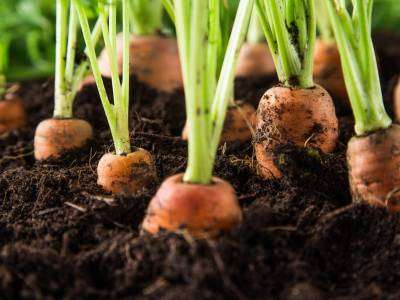
These root vegetables can be left in the ground even after the first frosts, which can make them even sweeter and more flavorful.
When to Plant: Early spring or late summer.
- Last Planting Date: Early September
Growing Tips: They can be left in the ground even after the first frosts, which can make them sweeter.
Cold-Resistant Varieties: Nantes, Imperator, Danvers.
Estimated Time to Harvest: 50-80 days.
8. Beets
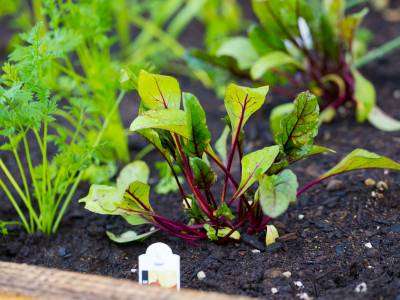
Beets have a slightly sweet, yet earthy, flavor and are a good source of vitamins A and C. They’re cold-resistant and can be harvested even after light frosts with both the roots and greens being edible.
When to Plant: Early spring or late summer.
- Last Planting Date: Early September
Growing Tips: Cold-resistant and can be harvested even after light frosts.
Cold-Resistant Varieties: Detroit Dark Red, Golden, Chioggia.
Estimated Time to Harvest: 50-65 days.
9. Turnips
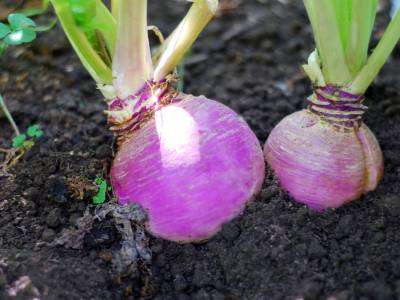
Turnips thrive in cool weather and can tolerate light frosts. Like beets, the root and greens are both edible, and super nutritious.
When to Plant: Early spring or late summer.
- Last Planting Date: Early September
Growing Tips: Thrive in cool weather and can tolerate light frosts.
Cold-Resistant Varieties: Purple Top White Globe, Golden Ball, Tokyo Cross.
Estimated Time to Harvest: 30-60 days.
10. Rutabagas
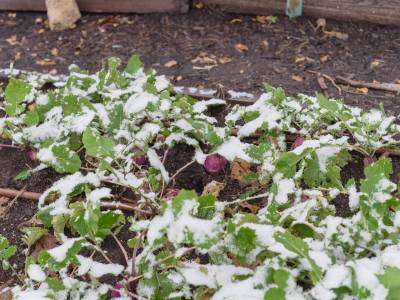
They have a slightly sweet and earthy flavor and are a good source of vitamins A and C that can be eaten raw, cooked, or juiced. They’re great for mashes, stews, and roasts, and they thrive in the cold, usually tasting better after experiencing a frost.
When to Plant: Mid-summer for a fall harvest.
- Last Planting Date: Early August
Growing Tips: Similar to turnips, they prefer cooler temperatures.
Cold-Resistant Varieties: American Purple Top, Laurentian, Marian.
Estimated Time to Harvest: 90 days.
11. Radishes
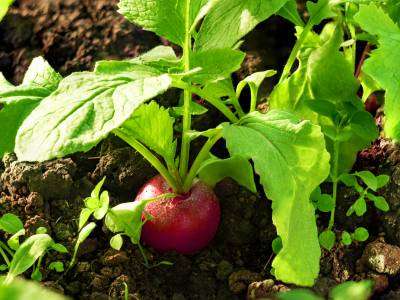
For the impatient gardener, throw some radish seeds in your soil. They are ready to harvest in just a few weeks.
When to Plant: Early spring or late summer.
- Last Planting Date: Late September
Growing Tips: Fast-growing and prefer cool conditions.
Cold-Resistant Varieties: Cherry Belle, French Breakfast, Watermelon.
Estimated Time to Harvest: 22-30 days.
12. Onions
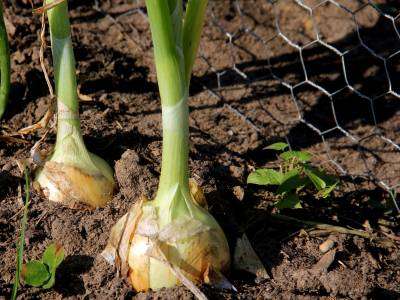
A staple in so many recipes, onions are a good plant to grow over the winter for a spring harvest. Both bulb and green varieties are cold-tolerant.
When to Plant: Late winter to early spring.
- Last Planting Date: Late August for fall harvest, late winter for spring harvest
Growing Tips: Both bulb and green onions can tolerate cold temperatures.
Cold-Resistant Varieties: Walla Walla, Texas Supersweet, Red Burgundy.
Estimated Time to Harvest: 100-120 days for bulb onions, 20-50 days for green onions.
13. Garlic
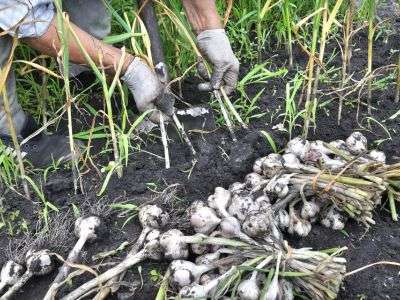
Radishes are for impatient gardeners, and garlic is for the ones that don’t mind waiting. Garlic gets planted in the fall so that they can be harvested the following summer. Don’t make the same mistake I’ve done in the past and fill your garden beds with garlic. You might not have any room in the spring for your summer crops.
When to Plant Garlic: Fall.
- Last Planting Date: Late October to early November
Growing Tips: Plant individual cloves with the pointed end up.
Cold-Resistant Varieties: Softneck (e.g., Silverskin), Hardneck (e.g., Rocambole).
Estimated Time to Harvest: 9 months.
14. Leeks
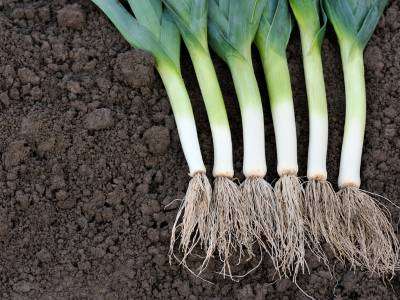
Leeks are a member of the onion family that is known for its mild flavor. They can be overwintered for an early spring harvest.
When to Plant: Late winter to early spring.
- Last Planting Date: Late summer for overwintering
Growing Tips: Can be overwintered for an early spring harvest.
Cold-Resistant Varieties: American Flag, King Richard, Tadorna.
Estimated Time to Harvest: 85-105 days.
15. Peas

Peas are a cool-season crop that grow in clusters on vines and need support to climb. They are a good source of vitamins A, C, and K.
When to Plant: Early spring.
- Last Planting Date: Late August to early September
Growing Tips: Prefer cool temperatures and are often planted in early spring.
Cold-Resistant Varieties: Green Arrow, Sugar Snap, Snowbird.
Estimated Time to Harvest: 55-70 days.
16. Swiss Chard
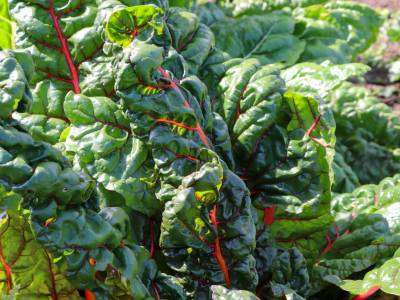
Swiss chard is a leafy green vegetable that is cold-tolerant and a good source of vitamins A, C, and K. Fun fact, it’s a member of the beet family. It can tolerate light frosts and is versatile in the kitchen.
When to Plant: Early spring or late summer.
- Last Planting Date: Early September
Growing Tips: Can tolerate light frosts.
Cold-Resistant Varieties: Bright Lights, Fordhook Giant, Ruby Red.
Estimated Time to Harvest: 50-60 days.
17. Lettuce
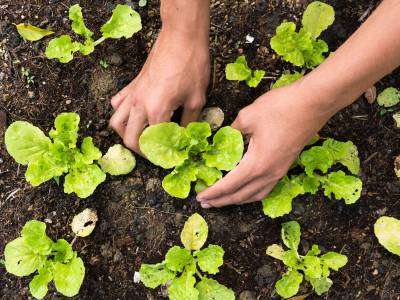
There is a wide variety of shapes, colors, and textures of lettuce that you can grow. Many varieties, but definitely not all, can tolerate light frosts, especially if given some protection.
When to Plant: Early spring or late summer.
- Last Planting Date: Early October
Growing Tips: Many varieties can tolerate light frosts, especially if given some protection.
Cold-Resistant Varieties: Butterhead (e.g., Buttercrunch), Romaine (e.g., Parris Island Cos), Leaf (e.g., Black Seeded Simpson).
Estimated Time to Harvest: 45-55 days.
18. Collard Greens

Collard Greens can tolerate cold temperatures and are often said to improve in flavor after a frost. It can be eaten raw, cooked, or juiced.
When to Plant: Early spring or late summer.
- Last Planting Date: Early September
Growing Tips: Can tolerate cold temperatures and even improve in flavor after a frost.
Cold-Resistant Varieties: Georgia, Vates, Morris Heading.
Estimated Time to Harvest: 60-75 days.
19. Asparagus
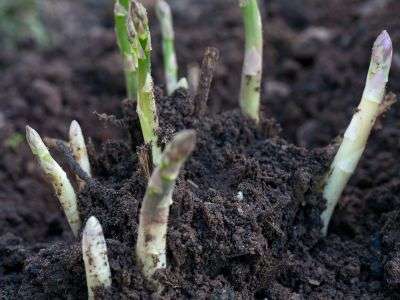
Asparagus takes a long time to be ready for the first harvest, at least one year, but once it’s established, it’s a serious producer. They grow super fast, up to 10 inches in a 24 hour period! On top of that, they can last up to 20 years for some varieties for decades of harvests from a single seed.
When to Plant: Early spring.
- Last Planting Date: Early spring (for the following year)
Growing Tips: A perennial vegetable that can produce for up to 20 years.
Cold-Resistant Varieties: Jersey Knight, Mary Washington, Purple Passion.
Estimated Time to Harvest: 2-3 years from crowns.
20. Rhubarb
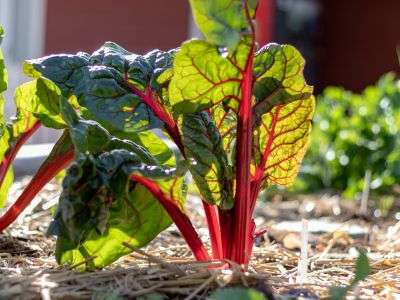
So many people call tomato a vegetable since it’s usually found mixed in with other veggies and because it grows in a vegetable garden. The opposite goes for rhubarb, which is a lot of people will call a fruit since its sweet flavor is used in fruity desserts like rhubarb pie.
When to Plant: Early spring.
- Last Planting Date: Early spring (for the following year)
Growing Tips: A perennial vegetable that prefers cooler climates.
Cold-Resistant Varieties: Victoria, Canada Red, Crimson Red.
Estimated Time to Harvest: 1-2 years.
21. Kohlrabi
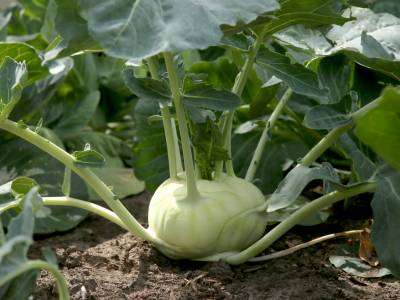
Kohlrabi is a member of the cabbage family that grows in a bulb that can reach up to 6 inches in diameter. It has a slightly sweet, nutty flavor that’s similar to broccoli stems. It kind of tastes like a cross between cabbage and radish.
When to Plant: Early spring or late summer.
- Last Planting Date: Late August
Growing Tips: Grows best in cooler temperatures.
Cold-Resistant Varieties: Purple Vienna, Green Vienna, Giant White.
Estimated Time to Harvest: 50-60 days.
22. Parsnips
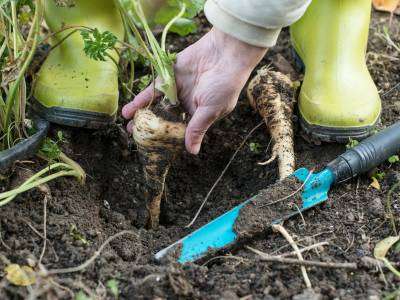
Parsnips are a member of the carrot family that can grow up to 12 inches long. They have a sweet and earthy flavor, and often tastes better after the first frost. They can be roasted, mashed, or used in soups and stews
When to Plant: Early spring.
- Last Planting Date: Late summer for fall harvest
Growing Tips: Require a long growing season and are sweeter after the first frost.
Cold-Resistant Varieties: Harris Model, Gladiator, Hollow Crown.
Estimated Time to Harvest: 100-120 days.
23. Pumpkins (some varieties)
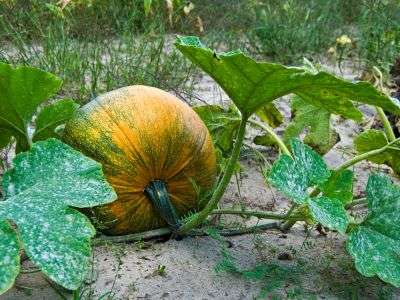
Not just for Halloween decorations. Pumpkins are the perfect fall crop for pies and soups. Certain varieties can withstand cooler temperatures, making them suitable for late-season planting.
When to Plant: Late spring to early summer.
- Last Planting Date: Early July
Growing Tips: Some varieties are more cold-resistant than others.
Cold-Resistant Varieties: New England Pie, Jack Be Little, Lumina.
Estimated Time to Harvest: 90-120 days.
24. Winter Squash
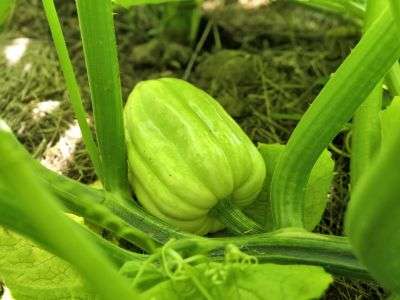
The name should be a giveaway here, but winter squash is, well, a type of squash that thrives in the winter. Unlike summer varieties, winter squashes have hard skins and are perfect for storage. This thick-skinned squash can be stored for several months.
When to Plant: Late spring.
- Last Planting Date: Early July
Growing Tips: Thrives in cooler fall temperatures.
Cold-Resistant Varieties: Butternut, Acorn, Spaghetti.
Estimated Time to Harvest: 85-110 days.
Fruits to Plant in Zone 7 for Cold Resistance
Most of these won’t give you crops in the winter, but you can still plant them so they grow throughout the cold season and are ready to harvest in the spring. I’m going to be leaving out fruit trees here, because that’s a whole other beast and requires different gardening skills and space. I’ll cover that in another post soon if there’s interest.
*all of the “Last Planting Dates” are estimates based on average first frost dates throughout Zone 7. “When to Plant” refers to the optimal time to plant them.
1. Blueberries

Blueberries are not only delicious but also super healthy and packed with antioxidants. These shrubs can thrive in the cooler temperatures of Zone 7, but won’t be ready for harvest for a couple of years. You can skip the wait by buying already growing plants from a local nursery and looking for ones with some berries growing already. Fun face – blueberries are the only fruit that is naturally blue!
When to Plant: Early spring.
- Last Planting Date: Early to mid-fall for planting. They become dormant in winter and will produce in the following seasons
Growing Tips: Plant in acidic soil and ensure consistent moisture.
Cold-Resistant Varieties: Duke, Patriot, Bluecrop.
Estimated Time to Harvest: 2-3 years.
2. Raspberries

Raspberries grow on canes that can easily spread across your yard if you don’t keep them in check. Raspberries can obviously be eaten fresh, but they can also be used in pies, jams, and jellies.
When to Plant: Early spring.
- Last Planting Date: Early fall for fall-bearing varieties
Growing Tips: Provide support as canes grow and choose a sunny location.
Cold-Resistant Varieties: Heritage, Fall Gold, Prelude.
Estimated Time to Harvest: 1-2 years.
3. Strawberries
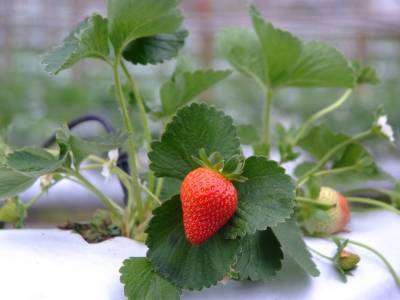
Technically, not a berry. Did I just blow your mind? Also, they aren’t even “fruit” but “accessory fruits” instead. The non-fruit thing is confusing to me, so if you’re really curious you can check out this article.
When to Plant: Early spring.
- Last Planting Date: Early fall for fall-bearing varieties
Growing Tips: Plant in well-draining soil and choose a sunny location.
Cold-Resistant Varieties: Chandler, Allstar, Ozark Beauty.
Estimated Time to Harvest: 4-6 months.
4. Blackberries
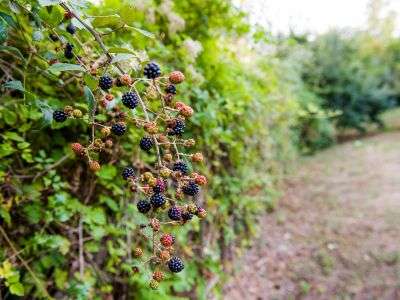
Back to actually berries now, blackberries are another fruit that grow on canes, and also the highest in antioxidants of all the berries. I love growing blackberries in my garden since I feel like the ones you buy at the grocery store go bad before you even get home.
When to Plant: Early spring.
- Last Planting Date: Early fall
Growing Tips: Provide trellis or support for the canes.
Cold-Resistant Varieties: Natchez, Triple Crown, Ouachita.
Estimated Time to Harvest: 1-2 years.
5. Grapes

Grow your own wine! Well, grow some vines of grapes and then maybe you can make your own wine. It’ll take some serious patience though, with it taking a couple of years to be ready to harvest on top of the time it takes to ferment your homemade cabernet.
When to Plant: Early spring.
- Last Planting Date: Early fall. They go dormant in winter and will produce in the following seasons
Growing Tips: Plant in well-draining soil and provide support as vines grow.
Cold-Resistant Varieties: Concord, Niagara, Muscadine.
Estimated Time to Harvest: 2-3 years.
6. Currants

These berries can be red, white, pink, or black with red being the most common variety. They grow on bushes that can grow to be 3-6 feet tall and wide. Before you go planting black currants, make sure it’s legal in your area. Some states actually ban it!
When to Plant: Early spring.
- Last Planting Date: Early fall
Growing Tips: Plant in a location with partial shade.
Cold-Resistant Varieties: Red Lake, White Imperial, Black September.
Estimated Time to Harvest: 1-2 years.
7. Gooseberries
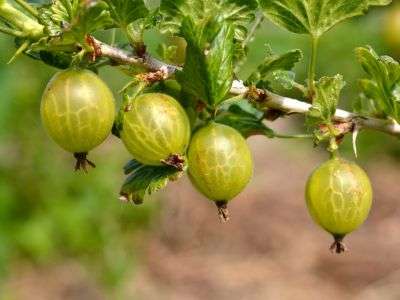
Like black currants, gooseberries are also illegal to grow in some states in the US! As of the time of this writing, it’s prohibited in all of or parts of the following states – Delaware, Massachusetts, New Jersey, North Carolina, and Rhode Island. That’s really too bad, because I think they’re delicious and pretty easy to grow. Lucky for me in in New York 😊
When to Plant: Early fall.
- Last Planting Date: Late winter to early spring
Growing Tips: Plant in a location with partial shade and well-draining soil.
Cold-Resistant Varieties: Invicta, Hinnomaki Red, Greenfinch.
Estimated Time to Harvest: 2-3 years.
Herbs to Plant in Zone 7 for Cold Resistance
It’s never a bad idea to get some herbs going in your garden. They don’t take up much space, add flavor to your cooking, and have a host of benefits as companion plants.
*all of the “Last Planting Dates” are estimates based on average first frost dates throughout Zone 7. “When to Plant” refers to the optimal time to plant them.
1. Parsley
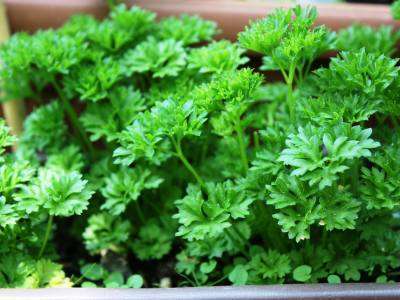
Parsley is more than just a garnish. It is a biennial herb that is cold-tolerant and can be used to flavor a variety of dishes, from soups to salads.
When to Plant: Early spring or late summer.
- Last Planting Date: Early fall
Growing Tips: Prefers cooler temperatures and consistent moisture.
Cold-Resistant Varieties: Italian Flat-Leaf, Curled, Giant of Italy.
Estimated Time to Harvest: 70-90 days.
2. Cilantro
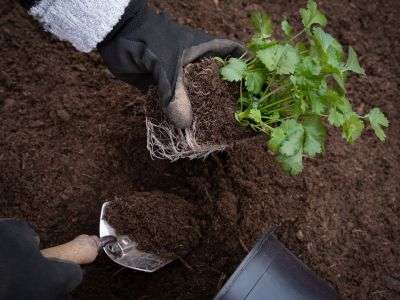
If you like authentic Mexican food and homemade guacamole, get some cilantro growing in your garden. It prefers cooler temperatures and can be planted in both spring and fall. Planting cilantro is actually a big of a twofer – the leaves are the cilantro and the seeds are coriander.
When to Plant: Early spring or late summer.
- Last Planting Date: Early fall
Growing Tips: Prefers cooler temperatures and well-draining soil.
Cold-Resistant Varieties: Santo, Calypso, Cruiser.
Estimated Time to Harvest: 50-55 days.
3. Chives
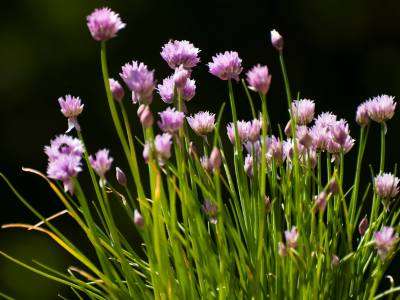
Chives are a versatile herb with a mild onion flavor. They are perennial plants and can return each spring. The flowers of chives are also edible and can be used as a garnish
When to Plant: Early spring.
- Last Planting Date: Early fall
Growing Tips: Plant in a sunny location and water regularly.
Cold-Resistant Varieties: Common Chives, Garlic Chives.
Estimated Time to Harvest: 60 days.
4. Mint
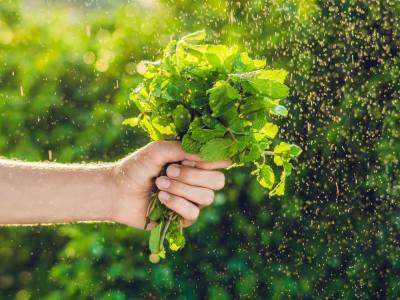
I used to think there was just peppermint and spearmint, basing my mint knowledge on gum flavors, but there are over 600 different varieties of mint. It is a hardy perennial herb that can spread rapidly in the garden, so be careful where you plant it.
When to Plant: Early spring.
- Last Planting Date: Early fall
Growing Tips: Plant in containers to prevent spreading and choose a location with partial shade.
Cold-Resistant Varieties: Peppermint, Spearmint, Chocolate Mint.
Estimated Time to Harvest: 60-70 days.
5. Rosemary
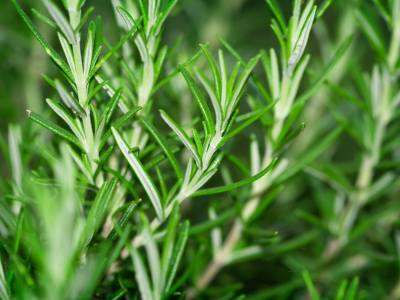
Rosemary is an herb that’s native to the Mediterranean region. It has a strong, piney flavor and is often used in roasts, stews, and marinades. In Zone 7, with some winter protection, it can often be grown as a perennial.
When to Plant: Early spring.
- Last Planting Date: Early fall
Growing Tips: Plant in well-draining soil and a sunny location.
Cold-Resistant Varieties: Tuscan Blue, Arp, Spice Islands.
Estimated Time to Harvest: 85-95 days.
6. Thyme
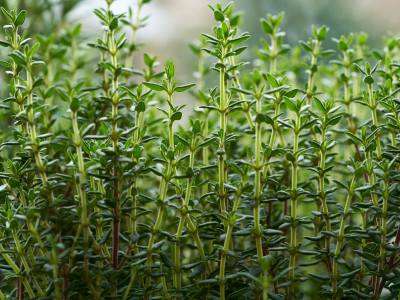
Thyme is a low-growing herb with a subtle and earthy flavor. I personally love using it to add some flavor to sauteed mushrooms.
When to Plant: Early spring.
- Last Planting Date: Early fall
Growing Tips: Plant in a sunny location and well-draining soil.
Cold-Resistant Varieties: Common Thyme, Lemon Thyme, Creeping Thyme.
Estimated Time to Harvest: 85-95 days.
7. Sage
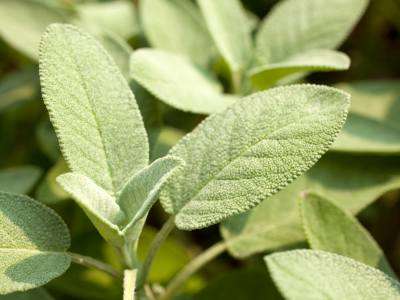
Sage is cold-tolerant and can be used fresh or dried to flavor various dishes. It’s also supposed to be great for brain health by helping to improve memory and cognitive function and reducing stress and anxiety.
When to Plant: Early spring.
- Last Planting Date: Early fall
Growing Tips: Plant in a sunny location and well-draining soil.
Cold-Resistant Varieties: Common Sage, Pineapple Sage, Purple Sage.
Estimated Time to Harvest: 75-85 days.
Quick Tips for Cold Weather Gardens:
- Mulch Matters: Mulch helps retain soil moisture, suppresses weeds, and acts as insulation, protecting plant roots from severe cold. You can do this cheap or free by using straw, leaves, or pine needles.
- Water Wisely: Water your plants during the warmer part of the day to prevent freezing at night, and make sure the soil is moist but not waterlogged.
- Choose the Right Spot: Even in winter, sunlight is crucial, maybe more important actually. Plant your cold-resistant crops in a spot where they’ll receive maximum sunlight.
- Protect from Wind: You know how rough icy gusts can hurt. Well cold winds can be harsh on plants too. Consider setting up windbreaks or using garden fabric to shield your plants from strong gusts.
- Stagger Planting: To keep a continuous harvest going, you might want to consider staggered planting. This involves planting seeds every two or so weeks so you can enjoy fresh produce throughout the winter.
- Watch for Pests: Garden pests like aphids and slugs can still be active in colder months. Regularly inspect your plants and take action if you spot any pests.
- Use Cold Frames: Cold frames can provide a warmer microclimate for your plants, protecting them from frost and extending the growing season.
- Opt for Hardy Varieties: Always choose varieties known for their cold resistance. Seed packets or plant tags will usually have this information on them.
Additional Resources
Below are some great resources for your Zone 7 Gardening for cold weather crops.
- Useful Tools & Apps:
- PictureThis: An app that helps identify plant, but more importantly, if you send a picture of sick part your plants, you’ll get problem causes and treatment suggestions.
- Gardenize: Identify plants and add them directly to your digital garden
- Frost Date Calculator: Enter your ZIP code to find out the estimated first and last frost dates for your area – essential for Zone 7 gardeners.
- Informative Websites:
- USDA Plant Hardiness Zone Map: The definitive guide to zones in the U.S., including detailed maps and plant suggestions.
- Garden.org: A rich resource of articles, Q&A, and plant databases catered to all zones, including Zone 7.
- The Old Farmer’s Almanac: This website and app provide a wealth of information on gardening, including planting calendars, weather forecasts, and gardening tips.
- Courses for In-depth Learning:
- MasterClass with Ron Finley: Dive deep into gardening techniques with the self-proclaimed “Gangster Gardener”.
- Udemy’s Organic Gardening Course: Comprehensive course covering the basics and nuances of organic gardening.
Recommended Products for Cold Weather Gardening:
- Soil Health:
- Soil Thermometer – a fairly inexpensive tool gauging soil temperature, ensuring you plant at the optimal time for germination and growth
- Soil pH Meter / Thermometer / Soil Moisture Meter – measures soil pH, temperature, and moisture levels, helping you create the perfect soil environment for their plants.
- Cold and/or Wind Protection:
- Floating Row Crop Cover – lightweight protective fabric that shields plants from frost, wind, and pests while allowing sunlight and rain through
- Cold Frame – transparent-roofed enclosure that acts as a mini-greenhouse, providing plants with protection from cold weather and extending the growing season
- Hoop House – series of large hoops or arches covered with plastic or fabric, designed to protect plants from cold weather and extend the growing season.
- Heated Propagation Mats:
- Seedling Heat Mat – a mat that provides consistent warmth to the base of seed trays, helping with faster germination and healthier root development of seedlings
- Books on Winter Gardening:
- “The Winter Harvest Handbook” by Eliot Coleman – comprehensive guide detailing techniques for successful year-round vegetable production
- “Four-Season Harvest: Organic Vegetables from Your Home Garden All Year Long” by Eliot Coleman – Another gem from Coleman, this book offers insights into cultivating a variety of vegetables throughout all four seasons
- “Backyard Winter Gardening” by Caleb Warnock – provides practical tips and tricks for winter gardening, tailored for backyard gardeners
- Seed Starter Kits:
- Ferry Morse Jiffy Seed Starting Greenhouse – includes everything you need to start your seeds indoors, including a mini greenhouse dome to hold humidity
- Grow Indoors:
- AeroGarden System – a hydroponic system that includes everything you need to grow herbs, vegetables, and even flowers indoors
- Indoor Garden Hydroponics Growing System – allows you to grow plants hydroponically indoors, providing a controlled environment for optimal growth
That’s All Folks
There you have it. A ton of plants you can get in your winter garden in Zone 7 this year. Don’t let the icy weather stand between you and a year round harvest.
I’d love to hear from you! Have you grown any of these plants in the winter or tried any of the products or techniques mentioned above? Do you have any cold weather gardening tips or stories to share? Leave a comment below and join the conversation.


