

Just when you finally get a break from garden pests when the weather starts to cool, we’ve got a new problem in zone 7 – frost. Frost is a major threat to your precious plants, and even a small frost can severely damage or kill your plants.
Frost protection is not just a recommendation in Zone 7; it’s a necessity. As it was covered extensively covered in my other article, “How to Extend Your Growing Season in Zone 7 – Mega Guide”, there are various methods you can use to protect your plants from the cold weather. In this article, I’ll go a little deeper into a very effective and easy to implement method for protecting your plants: using row covers and garden fabric.
In this article, I go over the science behind frost formation, its effects on plants, and go into the various types of row covers and garden fabrics available, helping you make an informed decision for your Zone 7 garden.
Understanding Frost and Its Impact on Plants

What Exactly is Frost and How Does it Form?
Frost happens when the temperature in your area drops to the point where the water vapor in the air condenses and forms ice crystals on surfaces. Instead of summer dew, you get winter frost. This will usually happen during clear, calm nights when the ground loses heat faster than it can be replaced from the atmosphere.
Effects of Frost on Plants
Frost can be detrimental to plants, especially those that aren’t frost-tolerant plants. This happens at a microscopic level. When ice crystals form on a plant, they can rupture its cell walls. This causes wilting, browning, and in the saddest cases, a dead plant. This can be a major bummer In Zone 7, where a single frost night can undo months of hard work in an area where the growing season is only a few months long.
The Importance of Frost Dates in Zone 7:
Frost dates are the average dates when the first and last frost occur in an area. These dates vary slightly each year, but you can get a good idea of when your frost date will be with Almanac.com’s frost date tool. Since weather is unpredictable, these dates are just an estimate, but they are usually pretty close.
What are Row Covers and Garden Fabric?
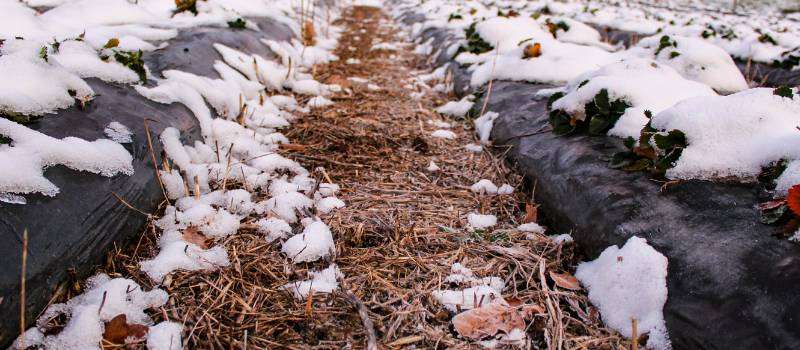
Row covers and garden fabric are protective materials that you can place over plants to shield them from adverse conditions. They help protect your plants from wind, insects, birds, heavy rain, and sunburn.
More importantly, for this topic at least, they protect plants from frost. They act as a barrier, kind of like a blanket, trapping heat from the ground and preventing cold air from reaching the plants.
Benefits of Using Row Covers and Garden Fabric for Frost Protection
- Thermal Insulation: They provide a warm microclimate for plants, raising and holding the temperature several degrees higher.
- Pest Protection: Beyond frost, they also deter pests, ensuring your plants remain undamaged.
- Flexibility: They are pretty easy to install and take down, making them useful for sudden temperature drops.
Differences from Other Frost Protection Methods
Other frost protection methods, like greenhouses and cold frames, are more rigid structures, while row covers and garden fabric are more versatile. You can cut them to size, move them around the garden, and can be stored compactly when not in use.
Types of Row Covers and Garden Fabric
- Floating Row Covers: These are lightweight and breathable fabrics that are perfect for light frost protection. They “float” above the plants without any support, without getting in the way of your plants’ growth and allow air and water to pass through.
- Polytunnels: A more structured option, polytunnels are better for more severe frost conditions. They create a tunnel-like structure over the plants, trapping more heat, while also providing better protection from wind and hail.
- Netting: This is mostly used for pest control, but it can offer some level of frost protection, especially when combined with other materials.
| Type | Description | Advantages | Disadvantages |
|---|---|---|---|
| Floating row covers | Lightweight, breathable fabric that allows air and water to pass through | Easy to install and remove, allows plants to breathe | Not as effective at protecting plants from frost or wind as other types of row covers |
| Polytunnels | Rigid structures that provide more protection from frost and wind | More effective at protecting plants from frost and wind than floating row covers, can be used to extend the growing season | More expensive and difficult to install than floating row covers |
| Netting | Used to protect plants from pests and animals | Can also provide some protection from frost | Not as effective at protecting plants from frost as other types of row covers |
| Bird netting | Used to deter birds from eating plants | Effective at deterring birds | Can block sunlight and airflow, making it difficult for plants to breathe |
Choosing the Right Row Cover for Zone 7
There are a few options to consider when shopping for a row cover – light vs heavy, material, durability, light penetration, and insulation.
Light vs. Heavy Row Covers:
Different materials make row covers lighter or heavier plus most row covers are available in different weight/thickness options.
- Pros of Light Row Covers:
- Lightweight and easy to handle.
- Allows more sunlight to reach plants, promoting growth.
- Good for mild frost protection and extending the growing season in spring and fall.
- Cons of Light Row Covers:
- Offers limited protection against severe frost.
- May not be as durable as heavier options.
- Pros of Heavy Row Covers:
- Provides much better frost protection, especially during harsh winter months.
- More durable and can withstand harsh weather conditions.
- Offers better insulation, trapping more heat.
- Cons of Heavy Row Covers:
- Can block out more sunlight, which might affect plant growth if you leave it on for extended periods.
- Heavier and might require more effort to install.
Row Cover Materials
Polyethylene:


- Pros:
- Water-resistant, keeping plants dry in wet conditions.
- Offers good insulation against cold.
- Generally more affordable than other materials.
- Cons:
- Less breathable, which can cause condensation to form underneath.
- They can degrade with prolonged exposure to sunlight.
- Water-resistance can lead to water pooling, which could lead to rot if not properly managed.
Polypropylene:


- Pros:
- UV-resistant, making it more durable for long-term use.
- Breathable, reducing the risk of condensation and mold.
- Provides consistent light diffusion.
- Cons:
- Slightly more expensive than polyethylene.
- Might not offer as much insulation as other materials.
Spunbonded Row Covers (like Agribon or Reemay):


- Pros:
- Lightweight and allows up to 85% light penetration.
- Provides protection against pests without the need for chemicals.
- Breathable, allowing good air circulation.
- Cons:
- Less durable against strong winds or heavy snow.
- Offers less insulation compared to heavier materials.
Woven or Knitted Fabric:

Pros:
- Can be used as a shade cloth during hot seasons.
- Cons:
- Heavier and might require support structures.
- Allows less light penetration, which can affect plant growth.
Ranking Materials by Goal
Goal: Light Frost Protection
- 1. Polyethylene Covers: Cost-effective with good light penetration, ideal for gardens with occasional light frost threats.
- 2. Spunbonded Row Covers (like Agribon or Reemay): Lightweight and allows ample light, also offers added benefit of pest protection.
- 3. Polypropylene Covers: UV-resistant and breathable, offers moderate frost protection while balancing light needs.
Goal: Durability and Longevity
- 1. Polypropylene Covers: Resistant to UV degradation, making them durable for long-term use in gardens exposed to direct sunlight.
- 2. Woven or Knitted Fabric Covers: Highly durable against strong winds and heavy snow, but may require more frequent replacement due to wear and tear.
- 3. Polyethylene Covers: Effective for short-term use but may degrade faster with prolonged exposure to UV light.
Goal: Pest Protection
- 1. Spunbonded Row Covers (like Agribon or Reemay): Specifically designed to prevent insect damage while also offering protection against light frosts.
- 2. Polypropylene and Polyethylene Covers: While not designed for pest control, their structure can deter some pests.
- 3. Woven or Knitted Fabric Covers: More focused on frost protection, but their tight weave can also deter larger pests.
Goal: Harsh Frost and Cold Wind Protection
- 1. Woven or Knitted Fabric Covers: Offers the best insulation and wind resistance, ideal for regions with severe frosts and cold winds.
- 2. Polypropylene Covers: Provides a balance between insulation and light penetration, suitable for moderate frost conditions.
- 3. Polyethylene Covers: Suitable for light to moderate frosts but may not offer the same level of insulation as woven or knitted fabrics.
Goal: Ease of Installation
- 1. Polyethylene and Spunbonded Row Covers: Lightweight and flexible, making them easy to install without additional support structures.
- 2. Polypropylene Covers: Moderately easy to install, may require some support depending on thickness.
- 3. Woven or Knitted Fabric Covers: Due to their heavier nature, they might require additional support structures, making installation slightly more challenging.
Goal: Affordability
- 1. Polyethylene Covers: Generally the most affordable option, especially for short-term use.
- 2. Spunbonded Row Covers (like Agribon or Reemay): Mid-range in terms of cost, offering a balance between price and functionality.
- 3. Polypropylene and Woven or Knitted Fabric Covers: Tend to be more expensive due to their durability and specialized features.
Or if you like fancy charts…
| Gardening Goals | 1st Choice | 2nd Choice | 3rd Choice |
| Light Frost Protection | Polyethylene Covers: Cost-effective, good light penetration | Spunbonded Row Covers: Lightweight, good for pest protection | Polypropylene Covers: UV-resistant, moderate frost protection |
| Durability and Longevity | Polypropylene Covers: UV-resistant, long-term use | Woven/Knitted Fabric Covers: Durable against winds and snow | Polyethylene Covers: Short-term use, degrades faster |
| Harsh Frost and Cold Wind Protection | Woven/Knitted Fabric Covers: Best insulation, wind resistance | Polypropylene Covers: Balanced insulation and light penetration | Polyethylene Covers: Suitable for light to moderate frosts |
| Ease of Installation | Polyethylene/Spunbonded Row Covers: Lightweight, easy installation | Polypropylene Covers: Moderately easy, may need support | Woven/Knitted Fabric Covers: Heavier, may require additional support |
| Affordability | Polyethylene Covers: Most affordable | Spunbonded Row Covers: Mid-range cost | Polypropylene/Woven or Knitted Fabric Covers: More expensive due to durability and specialized features |
Other Factors to Consider:
- Durability: Consider how long the row cover will last, especially under frequent use and exposure to the elements.
- Light Penetration: Depending on the plants you’re growing, you’ll want to ensure they receive adequate sunlight.
- Insulation: The primary purpose of a row cover is to protect against frost, so ensure it offers the insulation you need.
Installing and Using Row Covers and Garden Fabric
Setting up row covers is pretty easy and straightforward.
Preparation:
- Materials Needed: Row cover or garden fabric, stakes or weights, scissors or shears, and optionally, hoops or frames for support.
Installation:
- Choose the right material: Consider the frost protection goals, budget, durability, and other factors when choosing the right material for your needs.
- Measure the area: Measure the area that you need to cover with the row cover or garden fabric.
- Cut the material to size: Cut the material to the desired size, leaving enough extra material to overlap and secure the edges.
- Clean the area: Make sure to remove anything sharp before you put down your fabric that could possibly tear the material.
- Lay the cover: For lightweight floating row covers, you can lay the fabric directly over the plants and they will “float” as the plant grows. Heavier row covers should have some support added to prop them up
- Secure the edges: Secure the edges of the row cover or garden fabric in place with stakes, weights, or other materials.
- Provide Support: For heavy covers, install hoops or frames to support the fabric.
- For small areas, you can simply lay the cover over the plants and secure it with stakes or weights.
- For larger areas, you may need to use a frame or hoop to support the cover.
- Ventilation: Make sure to vent it to allow for air circulation when there isn’t a risk of frost. This will help to prevent condensation and mold.
Here’s a simple setup video just so you can see how easy it can be –
Tips for Maximum Frost Protection:
- Make sure there are no gaps where cold air can enter.
- Double-layer if temperatures are expected to drop significantly.
- Don’t wait for the frost to come, start using row covers before the temperature drops to frost levels, just in case. This will give the plants time to adjust to the cooler temperatures.
- Remove the row cover or garden fabric on warm days to allow the plants to breathe.
- Make sure the row covers are secured and taut so they don’t blow away.
- If you are expecting a severe frost, you can double-layer the row covers to trap more heat.
- Row covers can be used together with other frost protection methods, such as cold frames and greenhouses. This will help to provide even more protection for your plants.
- Know your cover’s limits. They are a great way to prevent frost, but if the temperatures are expected to drop too much and/or for an extended period of time, it might be best to take your plants indoors if possible.
When to Put Row Covers on and When to Remove Them:
On: Ideally just before sunset to trap daytime heat.
Off: Remove or ventilate during the day, especially if it’s sunny, to prevent overheating.
Maintenance and Storage Tips:
Clean the covers before storing.
Fold and store in a dry place.
Check for tears and repair them before storing.
Combining Row Covers with Other Frost Protection Methods
Row covers are great and convenient, but there is definitely room for improvement. To go even further and prevent frost in colder temperatures, and extend your growing season even longer, you can combine them with other frost prevention techniques.
Row Covers and Cold Frames:
Cold frames are small, enclosed structures that can be used to protect plants from frost. They are made from a variety of materials, including wood, plastic, and glass. When you place a row cover inside a cold frame, it adds an extra layer of insulation.
Row Covers and Greenhouses:
Greenhouses are larger structures that can be used to protect plants from frost and other weather conditions. Using row covers inside a greenhouse can offer targeted protection for specific plants or beds.
Row Covers and Mulch:
Mulch is a layer of organic or inorganic material that is placed around plants to help insulate them from the cold and holds water in the soil. It can be made from a variety of materials, including straw, wood chips, and bark. When used with row covers, mulch helps in retaining soil moisture and warmth.
Row Covers and Cloches
Cloches are smaller covers that act like mini-greenhouses, often made of clear plastic, glass, or upcycled materials. When combined with row covers, cloches can provide an additional layer of protection, especially for young or particularly sensitive plants. TThis combination can be particularly effective during unexpected cold snaps or for plants that require a bit more warmth during the early stages of growth.
Benefits of a Multi-layered Approach to Frost Protection:
- Extra Protection: Multiple frost control methods provide layers of defense against frost, reducing the risk of plant damage.
- Flexibility: Depending on the severity of the frost or the specific needs of certain plants, you can choose which methods you want to combine.
- Extended Growing Season: A multi-layered approach can help extend your growing season, allowing for a more diverse range of plants in your garden.
- Cost-Efficiency: While there might be an initial investment in setting up, the returns in terms of yield and plant health can add up.
Common Mistakes to Avoid When Using Row Covers
Not securing the row covers properly:
- Issue: Loose rove covers can be blown away or fail to provide enough frost protection. It can allow cold air to enter and damage the plants. Make sure to secure the row covers tightly in place with stakes, weights, or hoops.
- Solution: Secure the edges row covers with stakes, weights, or by burying them in the soil. Check them regularly, especially after windy days.
Using the wrong type of fabric for the specific needs of Zone 7:
- Issue: Zone 7 is a relatively mild climate, so you can use a lighter weight fabric for row covers. However, if you are expecting a particularly cold snap, you might want to use a heavier weight fabric.
- Solution: Research and choose fabrics specifically designed for the temperature fluctuations and frost risks of Zone 7. If you’re not sure, check with your local nurseries.
Not checking for pests or diseases underneath the covers:
- Issue: Row covers are great at protecting plants from pests, but it can also trap them in there if you didn’t see them before installing. The enclosed environment makes it easier for trapped pests and diseases to spread, which is obviously not a good thing.
- Solution: Regularly inspect under the covers for signs of pests or diseases. Provide proper ventilation to reduce humidity and the risk of mold or fungal diseases.
Shopping List
- Row Covers and Garden Fabrics:
- Floating Row Covers: Lightweight covers like Agribon or Reemay.
- Heavy-Duty Row Covers: Thicker fabrics designed for harsher frosts.
- Polytunnels: For more structured protection.
- Netting: For pest control and mild frost protection.
- Support Structures:
- Hoops: These can be made of metal or plastic and are used to support row covers.
- Frames: Wooden or metal frames to support heavier fabrics.
- Stakes and Anchors: To secure the edges of the row covers.
- Installation Tools:
- Garden Shears or Scissors: For cutting the fabric to the desired size.
- Tape Measure: To measure the area that needs covering.
- Maintenance and Storage:
- Storage Bins or Bags: To store row covers when not in use.
- Repair Kits: Including adhesive patches or sewing kits for fixing small tears.
- Additional Frost Protection Products:
- Cold Frames: Small, enclosed structures for plant protection.
- Greenhouses: Larger structures for protecting multiple plants or entire garden beds.
- Mulch: Organic (like straw or bark) or inorganic (like plastic or gravel) to retain soil warmth.
- Monitoring Tools:
- Thermometers: To monitor the temperature inside and outside the row covers. You can get a cheap ambient thermometer to measure the air temperature around your plants and a soil thermometer to measure the temperature of the soil.
- Hygrometers: To measure humidity levels under the covers.
- Frost Alarms: Devices that alert gardeners when temperatures are approaching freezing.
- Pest Control:
- Organic Pesticides: Such as neem oil or insecticidal soap.
- Beneficial Insects: Like ladybugs or predatory mites to control pests under the covers. Did you know you could buy ladybugs online?
- Educational Resources:
- Books:
- A Gardener’s Guide to Frost – general guide to frost protection, covering a wider range of plants and techniques
- Growing Under Cover: Techniques for a More Productive, Weather-Resistant, Pest-Free Vegetable Garden – specifically about row covers, and it covers everything you need to know about choosing, using, and storing them
- Books:
Wrapping it Up
Frost protection is essential for gardeners in Zone 7 looking to add some more time to their garden. Row covers and garden fabric are a versatile and effective way to protect your plants from frost damage. By choosing the right type of material and installing it properly, you can help to ensure that your plants survive even the coldest winter nights. Remember to combine methods for added protection, regularly inspect for pests, and ensure proper installation.
Let me know in the comments if you have any other frost protection tips or have any questions!


