

October isn’t just about pumpkin spice and Halloween. In Zone 7, October is a unique opportunity for gardeners. As the summer heat subsides, the soil retains its warmth, creating an ideal environment for several plants. Whether you’re looking to enjoy fresh greens throughout the winter or want to plan ahead for some vibrant spring blooms, October is your month to get hands-on in the garden.
There are many different types of plants that can be sown in October in Zone 7, including:
- Vegetables: leafy greens, brassicas, root vegetables, alliums, and more
- Fruits: strawberries and rhubarb
- Herbs: cilantro/coriander, parsley, chervil, and sorrel
- Flowers: bulbs and perennials
- Cover crops
I’ll go into these more below, with specific flowers, fruits, herbs, and vegetables to plants in October in zone 7.
- Understanding Zone 7 Climate in October
- What to Plant in October in Zone 7
- Vegetables to Plant in October (Zone 7)
- Fruits to Plant in October (Zone 7)
- Herbs to Plant in October (Zone 7)
- Flowers and Ornamentals to Plant in October (Zone 7)
- Cover Crops to Plant in October (Zone 7)
- Preparing Your Garden for Winter
- Harvesting and Storing Fall Crops
- Planning for Next Year's Garden
- Conclusion
Understanding Zone 7 Climate in October
Zone 7 has a moderate climate with average fall temperatures ranging from 45°F to 65°F. This climate allows gardeners to have a longer growing season and plant a second round of crops after summer.
October in Zone 7 has cooler nights and milder days. The first frost is coming soon*, but the soil remains warm, which is ideal for seed germination and root development. There is also consistent rainfall in October, which means there is plenty of moisture for young plants.
*The first frost date in USDA Hardiness Zone 7 is usually in mid-late October or early November
- To check for your expected last frost date, plug your zip code into Almanac.com’s frost date tool
There are plenty of advantages to fall planting in Zone 7:
- Warm soil speeds up seed germination
- Consistent rain and lower temperatures reduces the need for frequent watering
- Reduced pest activity helps plants stay healthy and thriving
- Extended growing season to get more out of your fall and winter garden
- Earlier spring harvests so that you can jump right into spring with fresh crops
Fall planting is also a good time to plant perennials, shrubs, and trees. These plants will have time to establish their roots before the ground freezes, which will help them survive the winter.
Here are some tips for fall planting in Zone 7:
- Test your soil: Before planting,you should definitely test your soil to determine its pH level and nutrients. This will help you to choose the right plants for your garden and to provide them with the nutrients they need to thrive.
- Amend your soil: If your soil is lacking any vital nutrients, you may need to amend it with compost or other organic matter. This will help to improve the drainage and fertility of your soil.
- Choose the right plants: When choosing plants for your fall garden, be sure to select varieties that will mature before the first frost date. You may also want to consider planting cold-hardy varieties that can tolerate winter temperatures.
- Mulching: Apply a thick layer of organic mulch like straw or leaves. This protects the soil, retains moisture, and prevents the winter freeze-thaw cycle from damaging plant roots.
- Water regularly: Fall plants need regular watering, but it is important to avoid overwatering. Overwatering can lead to root rot.
- Protect your plants from frost: If you live in an area with early frosts, you may need to protect your plants from frost. This can be done by covering them with row covers or frost blankets
Fall planting is a great way to extend your gardening season and get a head start on next year’s crops. With a little planning and preparation, you can enjoy a successful fall garden.
What to Plant in October in Zone 7
Plants that will do the best
- Leafy Greens: Spinach, Lettuce, Swiss Chard are not only nutritious but also cold-hardy. Sow them directly into the soil, and ensure they receive consistent moisture.
- Brassicas: Broccoli, Cauliflower, and Kale are frost-tolerant and even become sweeter after a light frost. Make sure they’re protected from pests like cabbage worms.
- Root Vegetables: Turnips, Beets, and Carrots thrive in the cool October weather. Loosen the soil to a good depth to allow their roots to expand freely.
- Alliums: Garlic and Onion planted now will give you a nice harvest next year. They require a long dormancy period, making October the perfect month to plant them.
Plants that can grow, but are iffy
- Fruits: While Strawberries can be planted now for a spring harvest, make sure they are well-mulched to protect them from freezing temperatures. Rhubarb can also be planted, but get the crowns are planted at the right depth and space them out adequately.
- Herbs: Cilantro and Parsley can be sown now. While they grow slower in the cooler months, they’ll provide a continuous harvest throughout winter and into spring. Chervil and Sorrel can also be tried, but they need to be in a spot that receives adequate sunlight.
Vegetables to Plant in October (Zone 7)
Brassicas:
Brassicas are a great choice for fall planting. They are cold-hardy and can withstand some frost. To sow brassicas, sow the seeds directly in the garden or start them indoors and transplant them outdoors when they are a few inches tall.
Broccoli
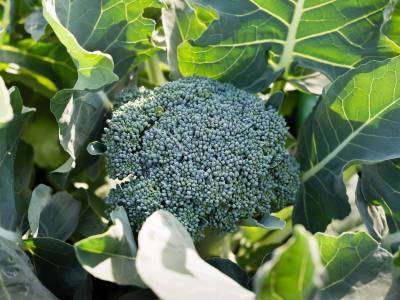
Broccoli is a green, tree-like vegetable that belongs to the cabbage family. It’s rich in vitamins, minerals, and antioxidants, making it a staple in many health-conscious diets.
- Cold Hardiness: Frost tolerant.
- Cold Hardy Varieties (for outdoor sowing in October): ‘Waltham 29’, ‘Calabrese’
- Cold Hardy Varieties (for transplanting in October): ‘Green Magic’, ‘De Cicco’
- Average Maturity & Harvest Time: 85-100 days.
- Companion Planting: Pairs well with beets, carrots, and onions. Avoid planting near strawberries and tomatoes.
- Recipe Ideas: Broccoli cheddar soup, roasted broccoli with garlic, broccoli stir-fry.
- Other Notes: Prefers full sun but can tolerate partial shade.
Cauliflower

Cauliflower, with its dense white head, is a versatile vegetable that can be steamed, roasted, or even turned into pizza crusts and rice substitutes.
- Cold Hardiness: Frost tolerant.
- Cold Hardy Varieties (for outdoor sowing in October): ‘Snow Crown’, ‘Early White Hybrid’
- Cold Hardy Varieties (for transplanting in October): ‘Amazing’, ‘Cheddar’
- Average Maturity & Harvest Time: 55-100 days.
- Companion Planting: Thrives alongside peas and potatoes. Avoid planting near tomatoes and strawberries.
- Recipe Ideas: Cauliflower rice, mashed cauliflower, cauliflower and cheese.
- Other Notes: Requires consistent moisture; inconsistent watering can lead to “buttoning” or small heads.
Cabbage

Cabbage is a leafy green or purple plant, grown as an annual vegetable crop for its dense-leaved heads. It’s the main ingredient in dishes like coleslaw and sauerkraut.
- Cold Hardiness: Frost tolerant.
- Cold Hardy Varieties (for outdoor sowing in October): ‘Copenhagen Market’, ‘Golden Acre’
- Cold Hardy Varieties (for transplanting in October): ‘January King’, ‘Savoy King’
- Average Maturity & Harvest Time: 80-180 days, depending on variety.
- Companion Planting: Compatible with beans and cucumbers. Avoid planting near strawberries and tomatoes.
- Recipe Ideas: Stuffed cabbage rolls, cabbage soup, fermented sauerkraut.
- Other Notes: Cabbage can benefit from rotation to prevent soil-borne diseases.
Kale
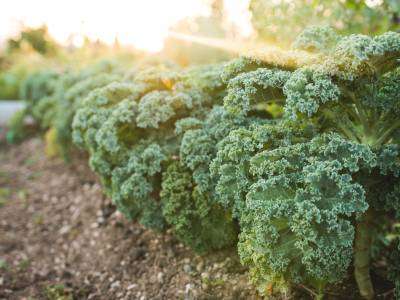
Kale is a nutrient-dense, leafy green vegetable that’s become popular in salads, smoothies, and chips.
- Cold Hardiness: Highly frost tolerant.
- Cold Hardy Varieties (for outdoor sowing in October): ‘Winterbor’, ‘Dwarf Blue Curled’
- Cold Hardy Varieties (for transplanting in October): ‘Lacinato’, ‘Red Russian’
- Average Maturity & Harvest Time: 55-75 days.
- Companion Planting: Works well with beets and celery. Avoid planting near beans.
- Recipe Ideas: Kale and quinoa salad, kale chips, sautéed kale with garlic.
- Other Notes: Younger leaves are tender and less bitter than older ones.
Collards

Collards are a type of cabbage that doesn’t form a head. They’re known for their large, dark-colored, edible leaves.
- Cold Hardiness: Frost tolerant.
- Cold Hardy Varieties (for outdoor sowing in October): ‘Georgia’, ‘Vates’
- Cold Hardy Varieties (for transplanting in October): ‘Champion’, ‘Flash’
- Average Maturity & Harvest Time: 60-85 days.
- Companion Planting: Pairs well with tomatoes and peppers. Avoid planting near grapes.
- Recipe Ideas: Southern-style collard greens, collard green wraps, collard soup.
- Other Notes: Flavor is enhanced after a light frost.
Arugula
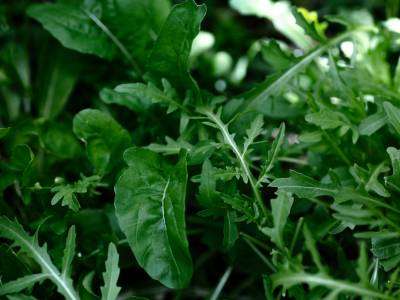
Arugula, also known as rocket, is a peppery, leafy green often used in salads and as a pizza topping.
- Cold Hardiness: Frost tolerant.
- Cold Hardy Varieties (for outdoor sowing in October): ‘Astro’, ‘Rocket’
- Cold Hardy Varieties (for transplanting in October): Not typically transplanted in October.
- Average Maturity & Harvest Time: 30-40 days.
- Companion Planting: Good with beets and carrots. Avoid planting near strawberries.
- Recipe Ideas: Arugula pesto, arugula and goat cheese salad, arugula and prosciutto pizza.
- Other Notes: Prefers cooler temperatures for a milder flavor.
Radicchio
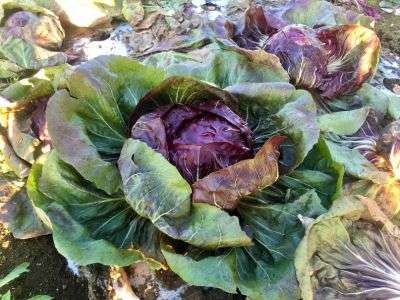
Radicchio is a red-purple vegetable that looks like a small cabbage. It’s known for its bitter and spicy taste, often used in salads.
- Cold Hardiness: Frost tolerant.
- Cold Hardy Varieties (for outdoor sowing in October): ‘Palla Rossa’, ‘Chioggia’
- Cold Hardy Varieties (for transplanting in October): Not typically transplanted in October.
- Average Maturity & Harvest Time: 85-90 days.
- Companion Planting: Compatible with fennel and endives. Avoid planting near broccoli.
- Recipe Ideas: Grilled radicchio salad, radicchio risotto, radicchio and orange salad.
- Other Notes: Bitterness can be reduced by soaking in water before cooking.
Pak Choi/Bok Choy
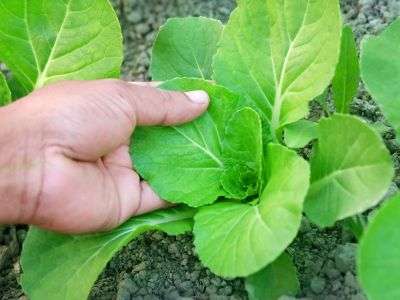
Pak Choi, also known as Bok Choy, is a type of Chinese cabbage. It’s crisp and mild-flavored, often used in stir-fries and soups.
- Cold Hardiness: Frost tolerant.
- Cold Hardy Varieties (for outdoor sowing in October): ‘Joi Choi’, ‘White Stem’
- Cold Hardy Varieties (for transplanting in October): ‘Baby Bok Choy’, ‘Shanghai Green’
- Average Maturity & Harvest Time: 45-60 days.
- Companion Planting: Pairs well with beets and mint. Avoid planting near peppers and tomatoes.
- Recipe Ideas: Bok Choy stir-fry, steamed Bok Choy with garlic sauce, Bok Choy soup.
- Other Notes: Can be harvested as baby leaves or fully matured.
Alliums are a good choice for fall planting because they are easy to grow and can be stored over the winter. To plant alliums, plant the bulbs directly in the garden. Water the bulbs regularly and keep them moist until they germinate.
Alliums:
Alliums, which include garlic, onions, and shallots, are perfect for fall planting. They establish their roots in the cooler months and burst into growth in the spring. To plant alliums, place bulbs or sets pointy end up in the soil at their recommended depth. Regular watering will help them establish, but be sure not to overwater as they prefer well-draining soil.
Garlic
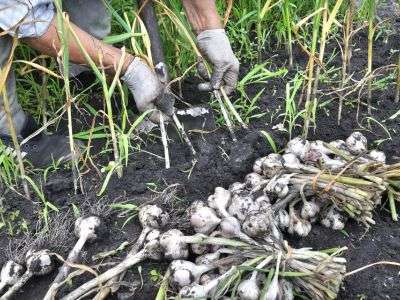
Garlic is a pungent bulb used globally to flavor dishes. It’s also known for its medicinal properties and has been cultivated for over 5,000 years.
- Cold Hardiness: Very cold hardy.
- Cold Hardy Varieties (for outdoor sowing in October): ‘Hardneck’, ‘Softneck’ (October is the best time to plant garlic in zone 7, for almost all varieties)
- Cold Hardy Varieties (for transplanting in October): Not typically transplanted in October.
- Average Maturity & Harvest Time: 180-210 days (harvest in summer).
- Companion Planting: Good with tomatoes and roses. Avoid planting near beans and peas.
- Recipe Ideas: Garlic butter, garlic-infused olive oil, roasted garlic spread.
- Other Notes: Plant cloves pointy end up; prefers well-draining soil.
Onion (bulb)
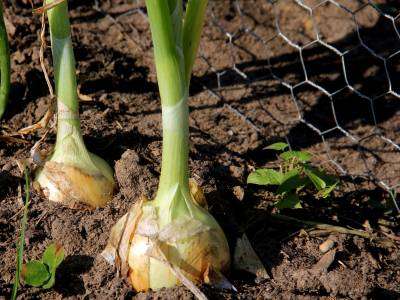
Onions are bulbous vegetables known for their pungent smell and flavor. They are a kitchen staple and used in a variety of dishes worldwide.
- Cold Hardiness: Frost tolerant.
- Cold Hardy Varieties (for outdoor sowing in October): ‘Walla Walla’, ‘Yellow Sweet Spanish’
- Cold Hardy Varieties (for transplanting in October): ‘Red Baron’, ‘White Granex’
- Average Maturity & Harvest Time: 100-120 days.
- Companion Planting: Works well with carrots and tomatoes. Avoid planting near beans and peas.
- Recipe Ideas: Onion soup, caramelized onions, onion rings.
- Other Notes: Onions can be grown from seeds, sets, or transplants.
Bunching Onions

Bunching onions, also known as green onions or scallions, are mild-flavored and used both raw and cooked in various dishes.
- Cold Hardiness: Frost tolerant.
- Cold Hardy Varieties (for outdoor sowing in October): ‘Evergreen Long White’, ‘Tokyo Long White’
- Cold Hardy Varieties (for transplanting in October): Not typically transplanted in October.
- Average Maturity & Harvest Time: 60-80 days.
- Companion Planting: Compatible with beets and lettuce. Avoid planting near beans.
- Recipe Ideas: Green onion pancakes, scallion omelet, stir-fried green onions.
- Other Notes: Can be continuously harvested by cutting the green tops.
Leeks
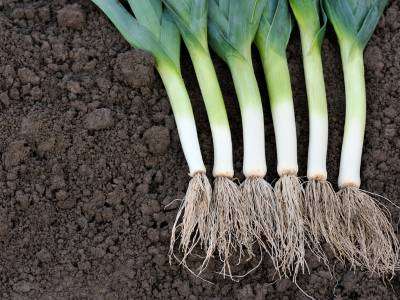
Leeks are related to onions but have a milder, sweeter flavor. They’re often used in soups and stews.
- Cold Hardiness: Frost tolerant.
- Cold Hardy Varieties (for outdoor sowing in October): ‘American Flag’, ‘King Richard’
- Cold Hardy Varieties (for transplanting in October): ‘Blue Solaise’, ‘Lancelot’
- Average Maturity & Harvest Time: 120-150 days.
- Companion Planting: Pairs well with carrots and celery. Avoid planting near beans and peas.
- Recipe Ideas: Leek and potato soup, braised leeks, leek quiche.
- Other Notes: Leeks require mounding soil around their base to blanch and produce a long white stem.
Shallots
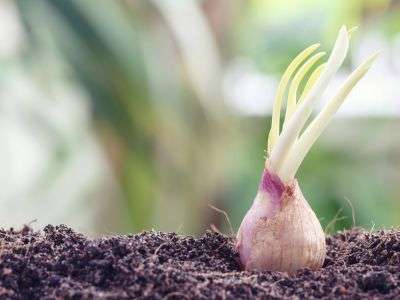
Shallots are similar to onions but smaller and with a milder, sweeter flavor. They’re often used in vinaigrettes and sauces.
- Cold Hardiness: Frost tolerant.
- Cold Hardy Varieties (for outdoor sowing in October): ‘Ambition’, ‘French Red’
- Cold Hardy Varieties (for transplanting in October): Not typically transplanted in October.
- Average Maturity & Harvest Time: 90-120 days.
- Companion Planting: Good with beets and lettuce. Avoid planting near beans and peas.
- Recipe Ideas: Shallot vinaigrette, caramelized shallots, roasted shallots.
- Other Notes: Shallots can be grown from bulbs or seeds.
Leafy Greens:
Leafy greens are another great choice for fall planting because they grow quickly and can be harvested multiple times. To sow leafy greens, simply scatter the seeds on the surface of the soil and press them in lightly. Water the seeds regularly and keep them moist until they germinate.
Spinach
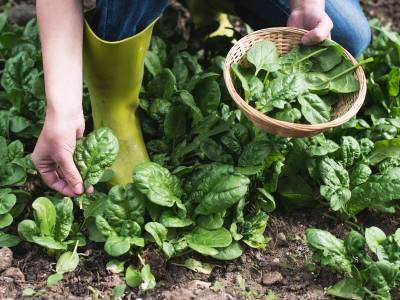
Spinach is a nutrient-rich leafy green that’s versatile in both raw and cooked dishes. It’s packed with iron, calcium, and vitamins.I love it because it matures super fast and is ready for quick harvests.
- Cold Hardiness: Frost tolerant.
- Cold Hardy Varieties (for outdoor sowing in October): ‘Winter Bloomsdale’, ‘Giant Winter’
- Cold Hardy Varieties (for transplanting in October): ‘Space’, ‘Tyee’
- Average Maturity & Harvest Time: 37-50 days.
- Companion Planting: Pairs well with strawberries and radishes. Avoid planting near potatoes.
- Recipe Ideas: Spinach and feta pie, spinach smoothie, sautéed spinach with garlic.
- Other Notes: Prefers cooler temperatures for optimal growth.
Lettuce
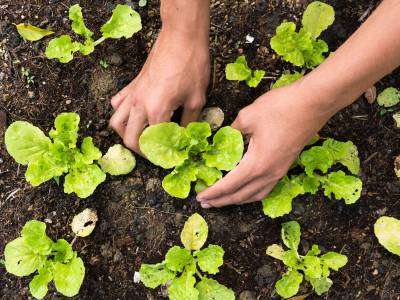
Lettuce is a popular leafy green, often used in salads. There are various types, from crisphead to butterhead, each with its unique texture and taste.
- Cold Hardiness: Frost tolerant.
- Cold Hardy Varieties (for outdoor sowing in October): ‘Winter Density’, ‘Arctic King’
- Cold Hardy Varieties (for transplanting in October): ‘Romaine’, ‘Butterhead’
- Average Maturity & Harvest Time: 45-60 days.
- Companion Planting: Compatible with carrots and radishes. Avoid planting near broccoli.
- Recipe Ideas: Caesar salad, lettuce wraps, grilled lettuce.
- Other Notes: Lettuce prefers cooler temperatures and consistent moisture.
Swiss Chard
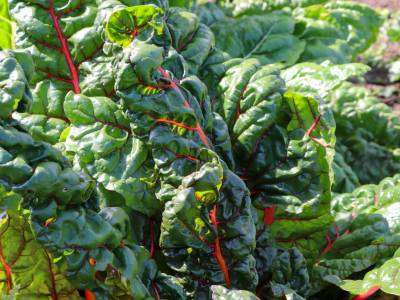
Swiss chard is known for its colorful stems and large, tender leaves. It’s often used in Mediterranean cooking and is rich in vitamins and minerals.
- Cold Hardiness: Frost tolerant.
- Cold Hardy Varieties (for outdoor sowing in October): ‘Fordhook Giant’, ‘Ruby Red’
- Cold Hardy Varieties (for transplanting in October): ‘Bright Lights’, ‘Silverado’
- Average Maturity & Harvest Time: 50-60 days.
- Companion Planting: Pairs well with beans and onions. Avoid planting near cucumbers.
- Recipe Ideas: Swiss chard and ricotta pie, sautéed chard with garlic, chard soup.
- Other Notes: Can be harvested continuously by picking outer leaves.
Mustard Greens
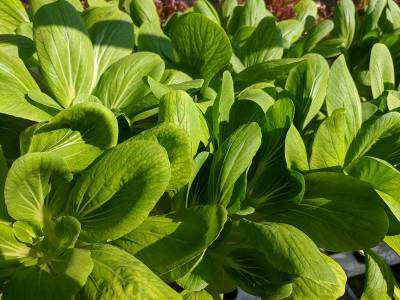
Mustard greens have a peppery flavor and are often used in Southern cooking. They’re packed with vitamins and can be eaten raw or cooked.
- Cold Hardiness: Frost tolerant.
- Cold Hardy Varieties (for outdoor sowing in October): ‘Southern Giant Curled’, ‘Red Giant’
- Cold Hardy Varieties (for transplanting in October): Not typically transplanted in October.
- Average Maturity & Harvest Time: 30-50 days.
- Companion Planting: Good with beets and herbs. Avoid planting near strawberries.
- Recipe Ideas: Mustard greens stir-fry, braised mustard greens, mustard greens salad.
- Other Notes: Younger leaves are milder in flavor.
Mizuna
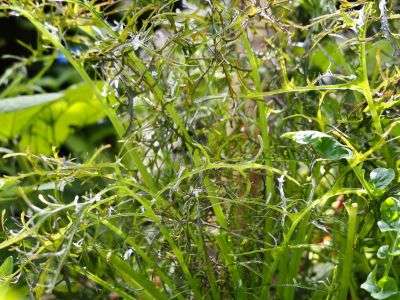
Mizuna is a Japanese mustard green with a mild, peppery flavor. It’s often used in salads and stir-fries.
- Cold Hardiness: Frost tolerant.
- Cold Hardy Varieties (for outdoor sowing in October): ‘Kyona’, ‘Red Streaks’
- Cold Hardy Varieties (for transplanting in October): Not typically transplanted in October.
- Average Maturity & Harvest Time: 40-50 days.
- Companion Planting: Pairs well with radishes and turnips. Avoid planting near beans.
- Recipe Ideas: Mizuna and apple salad, mizuna pesto, mizuna soup.
- Other Notes: Can be continuously harvested by picking outer leaves.
Tatsoi
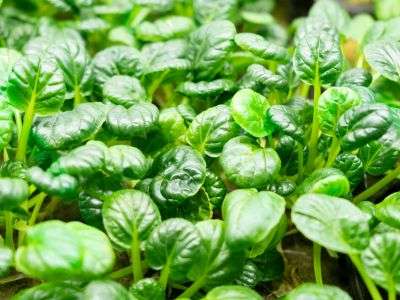
Tatsoi is an Asian green with spoon-shaped leaves and a mild, mustardy flavor. It’s often used in salads and soups.
- Cold Hardiness: Frost tolerant.
- Cold Hardy Varieties (for outdoor sowing in October): ‘Rosette’, ‘Savoy’
- Cold Hardy Varieties (for transplanting in October): Not typically transplanted in October.
- Average Maturity & Harvest Time: 45-50 days.
- Companion Planting: Compatible with beets and carrots. Avoid planting near peppers.
- Recipe Ideas: Tatsoi and tofu stir-fry, tatsoi salad with sesame dressing, tatsoi soup.
- Other Notes: Prefers cooler temperatures for optimal growth.
Corn Salad
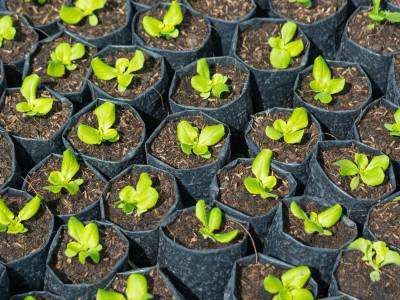
Corn salad, also known as mâche or lamb’s lettuce, is a delicate green with a nutty flavor. It’s often used in European salads.
- Cold Hardiness: Frost tolerant.
- Cold Hardy Varieties (for outdoor sowing in October): ‘Vit’, ‘Large Seeded’
- Cold Hardy Varieties (for transplanting in October): Not typically transplanted in October.
- Average Maturity & Harvest Time: 50-60 days.
- Companion Planting: Pairs well with radishes and turnips. Avoid planting near beans.
- Recipe Ideas: Corn salad with vinaigrette, corn salad and avocado toast, corn salad with roasted beets.
- Other Notes: Can be grown throughout the winter in milder climates.
Endive
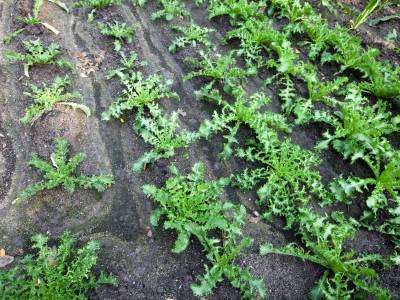
Endive is a bitter leafy green often used in salads and braised dishes. It’s rich in vitamins and minerals.
- Cold Hardiness: Frost tolerant.
- Cold Hardy Varieties (for outdoor sowing in October): ‘Tres Fine Maraichere’, ‘Batavian Full Heart’
- Cold Hardy Varieties (for transplanting in October): ‘Belgian’, ‘Curled’
- Average Maturity & Harvest Time: 85-100 days.
- Companion Planting: Compatible with beans and carrots. Avoid planting near broccoli.
- Recipe Ideas: Endive and blue cheese salad, braised endive, endive and pear tart.
- Other Notes: Can be blanched to reduce bitterness.
Root Vegetables:
Root vegetables are a good choice for fall planting because they can be stored over the winter. To sow root vegetables, sow the seeds directly in the garden. Water the seeds regularly and keep them moist until they germinate.
Turnips
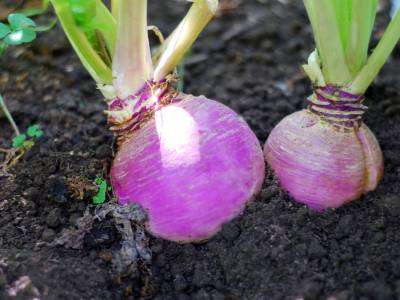
Turnips are round, root vegetables that are often used in soups and stews. The greens are also edible and can be cooked or used in salads.
- Cold Hardiness: Frost tolerant.
- Cold Hardy Varieties (for outdoor sowing in October): ‘Purple Top White Globe’, ‘Golden Ball’
- Cold Hardy Varieties (for transplanting in October): Not typically transplanted in October.
- Average Maturity & Harvest Time: 50-60 days.
- Companion Planting: Works well with peas and beans. Avoid planting near potatoes.
- Recipe Ideas: Mashed turnips, turnip and potato soup, roasted turnips.
- Other Notes: Younger turnips are sweeter and more tender.
Beets
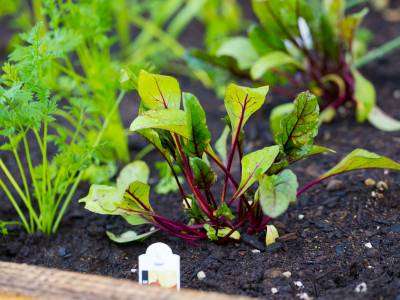
Beets are earthy root vegetables known for their deep red color. They’re often roasted, pickled, or used in dishes like borscht.
- Cold Hardiness: Frost tolerant.
- Cold Hardy Varieties (for outdoor sowing in October): ‘Detroit Dark Red’, ‘Golden’
- Cold Hardy Varieties (for transplanting in October): ‘Bull’s Blood’, ‘Chioggia’
- Average Maturity & Harvest Time: 50-70 days.
- Companion Planting: Pairs well with lettuce and onions. Avoid planting near pole beans.
- Recipe Ideas: Beet and goat cheese salad, beet chips, beet smoothie.
- Other Notes: Beet greens are also edible and can be sautéed or used in salads.
Carrots
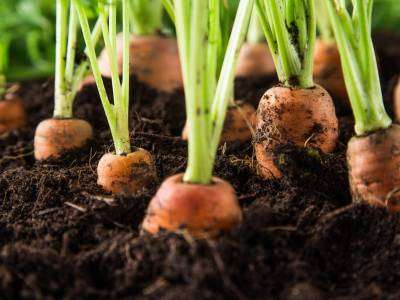
Carrots are crunchy root vegetables that come in a range of colors, from orange to purple. They’re often eaten raw, cooked, or juiced.
- Cold Hardiness: Frost tolerant.
- Cold Hardy Varieties (for outdoor sowing in October): ‘Nantes’, ‘Danvers’
- Cold Hardy Varieties (for transplanting in October): Not typically transplanted in October.
- Average Maturity & Harvest Time: 70-80 days.
- Companion Planting: Works well with tomatoes and peas. Avoid planting near dill.
- Recipe Ideas: Carrot soup, glazed carrots, carrot cake.
- Other Notes: Carrots prefer sandy, well-draining soil for straight growth.
Radish
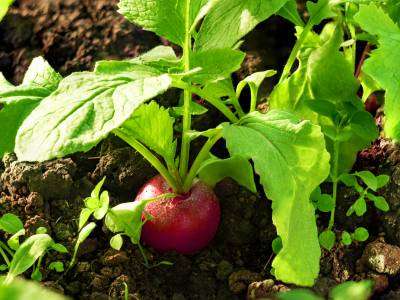
Radishes are peppery root vegetables that come in various colors and sizes. They’re often eaten raw in salads or pickled. They are one of the edible plants that is ready to harvest in just a few weeks after planting.
- Cold Hardiness: Frost tolerant.
- Cold Hardy Varieties (for outdoor sowing in October): ‘Cherry Belle’, ‘French Breakfast’
- Cold Hardy Varieties (for transplanting in October): Not typically transplanted in October.
- Average Maturity & Harvest Time: 20-30 days for most varieties.
- Companion Planting: Pairs well with spinach and lettuce. Avoid planting near hyssop.
- Recipe Ideas: Radish and butter sandwich, pickled radishes, radish slaw.
- Other Notes: Radishes are one of the fastest-growing vegetables.
Salsify
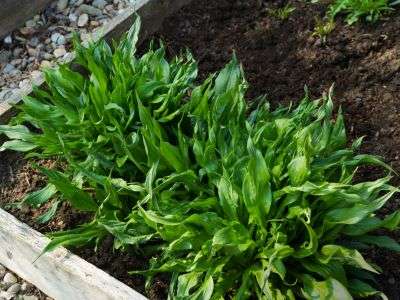
Salsify, also known as oyster plant, is a root vegetable with a subtle taste similar to oysters. It’s often used in soups and stews.
- Cold Hardiness: Frost tolerant.
- Cold Hardy Varieties (for outdoor sowing in October): ‘Mammoth Sandwich Island’, ‘Improved’
- Cold Hardy Varieties (for transplanting in October): Not typically transplanted in October.
- Average Maturity & Harvest Time: 120-150 days.
- Companion Planting: Compatible with carrots and onions. No known antagonists.
- Recipe Ideas: Salsify fritters, cream of salsify soup, roasted salsify.
- Other Notes: Salsify has a long taproot and prefers deep, well-draining soil.
Sunchokes
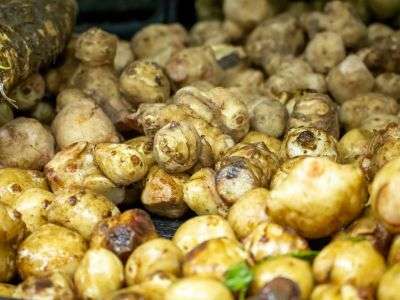
Sunchokes, also known as Jerusalem artichokes, are tubers with a nutty, sweet flavor. They’re often roasted or used in soups.
- Cold Hardiness: Frost tolerant.
- Cold Hardy Varieties (for outdoor sowing in October): Not specific varieties as they’re typically grown from tubers.
- Cold Hardy Varieties (for transplanting in October): Not typically transplanted in October.
- Average Maturity & Harvest Time: 150-180 days.
- Companion Planting: Pairs well with corn and beans. Avoid planting near potatoes.
- Recipe Ideas: Sunchoke soup, roasted sunchokes, sunchoke and apple salad.
- Other Notes: Sunchokes can spread aggressively if not managed.
Legumes:
Legumes, such as peas and broad beans, thrive in the cooler temperatures of fall and early spring. They not only provide a tasty harvest but also enrich the soil with nitrogen. To sow legumes, plant seeds directly into the garden at the recommended depth. Give them support structures like trellises or stakes as they grow.
Peas

Peas are sweet, green legumes that are often eaten fresh, frozen, or canned. They come in various types, from snap peas to snow peas.
- Cold Hardiness: Frost tolerant.
- Cold Hardy Varieties (for outdoor sowing in October): ‘Alaska’, ‘Little Marvel’
- Cold Hardy Varieties (for transplanting in October): ‘Sugar Snap’, ‘Snowbird’
- Average Maturity & Harvest Time: 60-70 days.
- Companion Planting: Works well with carrots and turnips. Avoid planting near onions.
- Recipe Ideas: Pea and ham soup, pea risotto, pea and mint salad.
- Other Notes: Peas fix nitrogen in the soil, benefiting other plants.
Broad/Fava Beans
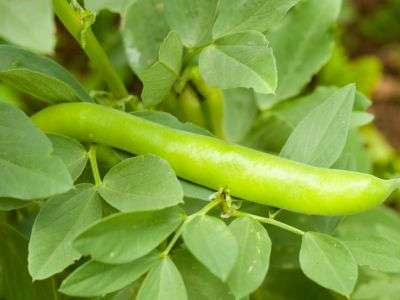
Broad beans, also known as fava beans, are large, flat legumes with a buttery texture. They’re often used in Mediterranean and Middle Eastern dishes.
- Cold Hardiness: Frost tolerant.
- Cold Hardy Varieties (for outdoor sowing in October): ‘Aquadulce Claudia’, ‘Windsor’
- Cold Hardy Varieties (for transplanting in October): Not typically transplanted in October.
- Average Maturity & Harvest Time: 80-100 days.
- Companion Planting: Pairs well with potatoes and corn. Avoid planting near garlic.
- Recipe Ideas: Fava bean dip, fava bean and pecorino salad, fava bean soup.
- Other Notes: Young fava bean pods can be eaten whole.
Fruits to Plant in October (Zone 7)
Fall is an excellent time to establish certain fruit plants, like strawberries and rhubarb. They’ll develop strong roots over the winter and be ready to produce harvestable crops in spring and summer. For strawberries, prepare beds with rich, well-draining soil and plant crowns at the right depth. For rhubarb, ensure the crowns are planted at the correct depth and spaced adequately.
Strawberries
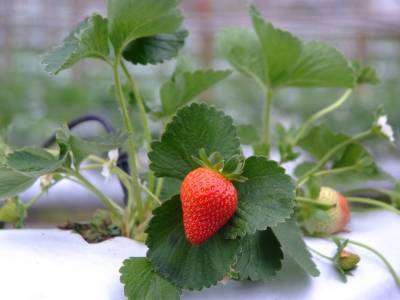
Strawberries are sweet, red fruits known for their juicy texture and delightful aroma. They’re popular in desserts, jams, and eaten fresh.
- Cold Hardiness: Frost tolerant, but young plants and blossoms can be damaged.
- Cold Hardy Varieties (for outdoor sowing in October): ‘Earliglow’, ‘Allstar’
- Cold Hardy Varieties (for transplanting in October): ‘Ozark Beauty’, ‘Quinault’
- Average Maturity & Harvest Time: Varies by type, but generally 4-6 weeks after blossoming.
- Companion Planting: Pairs well with beans and lettuce. Avoid planting near cabbage.
- Recipe Ideas: Strawberry shortcake, strawberry jam, fresh strawberry salad.
- Other Notes: Strawberries prefer well-draining soil and benefit from mulching.
Rhubarb
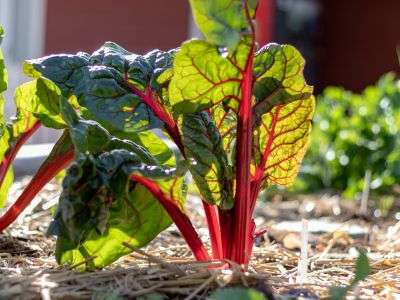
Rhubarb is a perennial plant known for its tart, red stalks. The stalks are often used in pies, jams, and compotes.It’s actually a vegetable, but gets lumped into fruits because of it’s sweet taste and fruit-like uses…kind of like how tomatoes are often thought of as a vegetable, because they are used in salads…I think that’s why at least.
- Cold Hardiness: Very frost tolerant.
- Cold Hardy Varieties (for outdoor sowing in October): ‘Victoria’, ‘Canada Red’
- Cold Hardy Varieties (for transplanting in October): ‘Crimson Red’, ‘MacDonald’
- Average Maturity & Harvest Time: Harvest in spring to early summer of the second year after planting.
- Companion Planting: Compatible with strawberries and onions. Avoid planting near legumes.
- Recipe Ideas: Rhubarb pie, rhubarb compote, rhubarb and strawberry jam.
- Other Notes: Only the stalks are edible; the leaves are toxic.
Herbs to Plant in October (Zone 7)
Herbs like cilantro, parsley, and chervil can be sown in October. They might grow slower in the cooler months but will provide a continuous harvest. To sow herbs, scatter seeds on the soil surface and press them lightly. Keep the soil consistently moist until they sprout.
Cilantro/Coriander
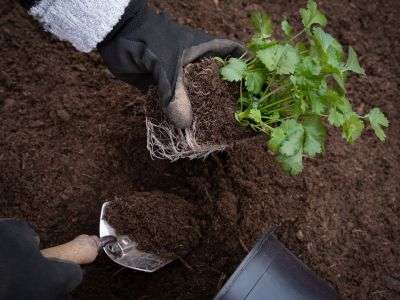
Cilantro refers to the leaves of the plant, while coriander refers to the seeds. It’s often used in Mexican, Indian, and Asian cuisines.
- Cold Hardiness: Frost tolerant.
- Cold Hardy Varieties (for outdoor sowing in October): ‘Santo’, ‘Leisure’
- Cold Hardy Varieties (for transplanting in October): Not typically transplanted in October.
- Average Maturity & Harvest Time: 50-55 days for leaves, longer for seeds.
- Companion Planting: Pairs well with spinach and lettuce. Avoid planting near fennel.
- Recipe Ideas: Cilantro lime rice, coriander chutney, cilantro pesto.
- Other Notes: Cilantro can bolt quickly in hot weather.
Parsley
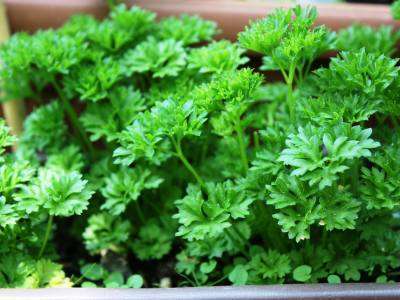
Parsley is a versatile herb with curly or flat leaves. It’s often used as a garnish or in dishes like tabbouleh.
- Cold Hardiness: Frost tolerant.
- Cold Hardy Varieties (for outdoor sowing in October): ‘Moss Curled’, ‘Italian Flat Leaf’
- Cold Hardy Varieties (for transplanting in October): ‘Giant of Italy’, ‘Dark Green Italian’
- Average Maturity & Harvest Time: 70-90 days.
- Companion Planting: Works well with tomatoes and asparagus. Avoid planting near mint.
- Recipe Ideas: Parsley salad, parsley and garlic butter, parsley tea.
- Other Notes: Parsley is a biennial but often grown as an annual.
Chervil

Chervil is a delicate herb with a mild anise flavor. It’s often used in French cuisine and is a component of the fines herbes blend.
- Cold Hardiness: Frost tolerant.
- Cold Hardy Varieties (for outdoor sowing in October): ‘Curled’, ‘Brussels Winter’
- Cold Hardy Varieties (for transplanting in October): Not typically transplanted in October.
- Average Maturity & Harvest Time: 60-70 days.
- Companion Planting: Pairs well with radishes and lettuce. No known antagonists.
- Recipe Ideas: Chervil soup, chervil and potato salad, chervil butter.
- Other Notes: Chervil prefers cool temperatures and partial shade.
Sorrel
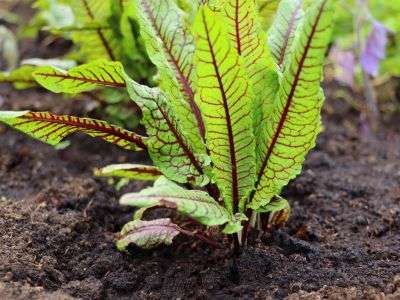
Sorrel is a perennial herb with a tangy, lemony flavor. It’s often used in soups, salads, and sauces.
- Cold Hardiness: Frost tolerant.
- Cold Hardy Varieties (for outdoor sowing in October): ‘French’, ‘Red Veined’
- Cold Hardy Varieties (for transplanting in October): Not typically transplanted in October.
- Average Maturity & Harvest Time: 45-60 days.
- Companion Planting: Compatible with spinach and lettuce. Avoid planting near root vegetables.
- Recipe Ideas: Sorrel soup, sorrel pesto, sorrel and goat cheese tart.
- Other Notes: Older leaves can become more acidic and tough.
Flowers and Ornamentals to Plant in October (Zone 7)
Planting ornamental plants in the fall will give you a vibrant display when spring comes along. Whether it’s pansies that add color throughout the winter or hellebores that bloom early in spring, fall planting sets the stage. Prepare the soil with compost and ensure good drainage. Water newly planted flowers regularly until they establish.
Bulbs (for Spring Blooming):
Spring-blooming bulbs like tulips, daffodils, and crocuses need the cold dormancy of winter to bloom. Planting them in the fall ensures a colorful display come spring. To plant bulbs, dig a hole at the recommended depth, place the bulb pointy end up, and cover with soil. Water well and wait for spring’s magic.
Tulips
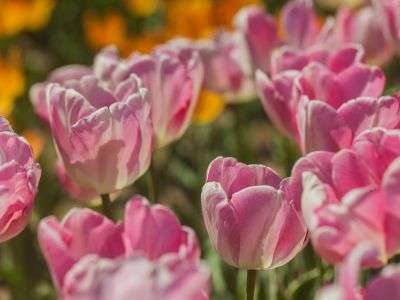
Tulips are iconic spring-blooming flowers known for their vibrant colors and elegant, cup-shaped blooms.
- Cold Hardiness: Frost tolerant.
- Cold Hardy Varieties (for outdoor sowing in October): ‘Queen of Night’, ‘Apricot Beauty’
- Cold Hardy Varieties (for transplanting in October): ‘Darwin Hybrid’, ‘Triumph’
- Average Maturity & Bloom Time: Early to late spring, depending on the variety.
- Companion Planting: Pairs well with daffodils and alliums.
- Uses: Landscaping, cut flowers, container gardening.
- Other Notes: Tulips require a period of cold dormancy to bloom.
Daffodils
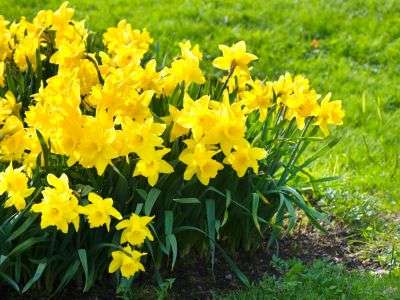
Daffodils are cheerful spring flowers with trumpet-shaped blooms in shades of yellow, white, and orange.
- Cold Hardiness: Frost tolerant.
- Cold Hardy Varieties (for outdoor sowing in October): ‘Ice Follies’, ‘Tête-à-tête’
- Cold Hardy Varieties (for transplanting in October): ‘Dutch Master’, ‘Mount Hood’
- Average Maturity & Bloom Time: Early to mid-spring.
- Companion Planting: Compatible with tulips and hyacinths.
- Uses: Landscaping, cut flowers, woodland gardens.
- Other Notes: Daffodils are deer and rodent resistant.
Crocus
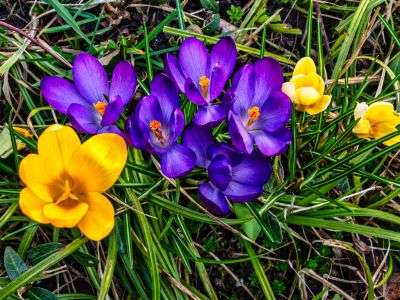
Crocuses are one of the first flowers to bloom in spring, with delicate cup-shaped flowers in purple, yellow, and white.
- Cold Hardiness: Frost tolerant.
- Cold Hardy Varieties (for outdoor sowing in October): ‘Ruby Giant’, ‘Jeanne d’Arc’
- Cold Hardy Varieties (for transplanting in October): ‘Dutch Crocus’, ‘Snow Crocus’
- Average Maturity & Bloom Time: Early spring.
- Companion Planting: Pairs well with snowdrops and winter aconite.
- Uses: Landscaping, rock gardens, lawns.
- Other Notes: Attracts early pollinators like bees.
Hyacinths
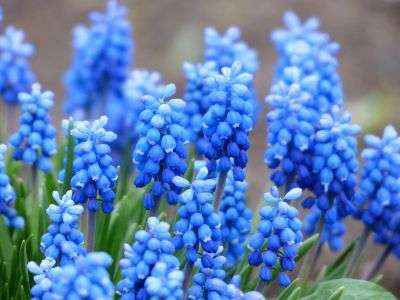
Hyacinths are fragrant spring flowers with dense spikes of bell-shaped blooms in various colors.
- Cold Hardiness: Frost tolerant.
- Cold Hardy Varieties (for outdoor sowing in October): ‘Blue Jacket’, ‘Carnegie’
- Cold Hardy Varieties (for transplanting in October): ‘Gipsy Queen’, ‘City of Haarlem’
- Average Maturity & Bloom Time: Mid-spring.
- Companion Planting: Compatible with daffodils and tulips.
- Uses: Landscaping, container gardening, fragrant gardens.
- Other Notes: Can be forced indoors for winter blooms.
Lily of the Valley
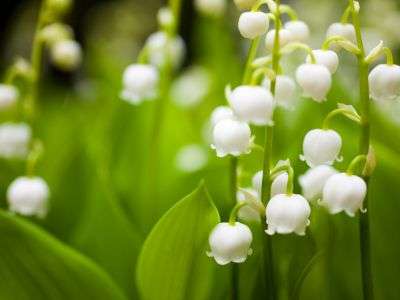
Lily of the Valley is a woodland plant known for its delicate, bell-shaped white flowers and sweet fragrance. These things grow like weeds, so make sure you plant them somewhere they won’t take over. And if you have pets in the yard, be careful because they are poisonous when ingested.
- Cold Hardiness: Frost tolerant.
- Cold Hardy Varieties (for outdoor sowing in October): ‘Convallaria majalis’, ‘Bordeaux’
- Cold Hardy Varieties (for transplanting in October): Not typically transplanted in October.
- Average Maturity & Bloom Time: Late spring.
- Companion Planting: Pairs well with ferns and hostas.
- Uses: Woodland gardens, shaded borders, ground cover.
- Other Notes: While beautiful and fragrant, it’s important to note that all parts of the Lily of the Valley plant are toxic if ingested.
Snowdrops (Galanthus)
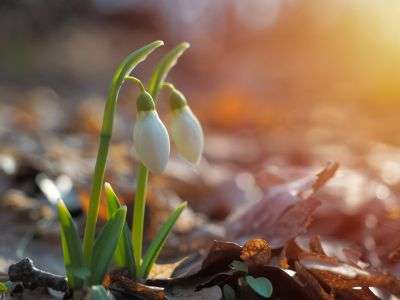
Snowdrops are delicate white flowers that often bloom while snow is still on the ground.
- Cold Hardiness: Frost tolerant.
- Cold Hardy Varieties (for outdoor sowing in October): ‘Galanthus nivalis’, ‘Galanthus elwesii’
- Cold Hardy Varieties (for transplanting in October): Not typically transplanted in October.
- Average Maturity & Bloom Time: Late winter to early spring.
- Companion Planting: Pairs well with crocuses and winter aconite.
- Uses: Woodland gardens, naturalizing, under trees.
- Other Notes: Snowdrops are a sign that spring is on its way.
Winter Aconite (Eranthis)
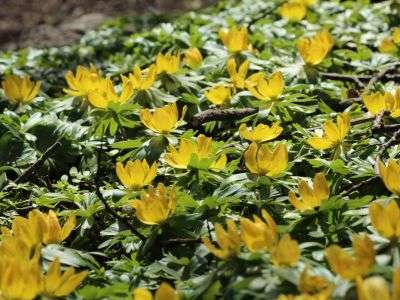
Winter aconite is a bright yellow flower that blooms in late winter, often alongside snowdrops.
- Cold Hardiness: Frost tolerant.
- Cold Hardy Varieties (for outdoor sowing in October): ‘Eranthis hyemalis’, ‘Eranthis cilicica’
- Cold Hardy Varieties (for transplanting in October): Not typically transplanted in October.
- Average Maturity & Bloom Time: Late winter.
- Companion Planting: Compatible with snowdrops and crocuses.
- Uses: Woodland gardens, naturalizing, borders.
- Other Notes: Provides early nectar for bees.
Annuals and Perennials:
Annuals like pansies and snapdragons can provide some amazing color to your yard in the fall and early spring. Perennials, on the other hand, establish their roots in the fall and come back year after year.
Pansies
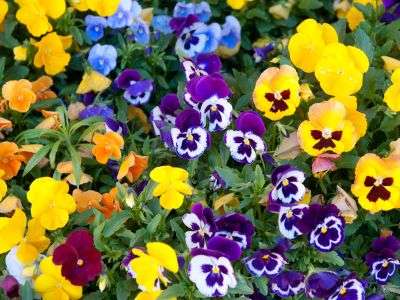
Pansies are popular cool-season flowers known for their cheerful, face-like blooms in a wide range of colors.
- Cold Hardiness: Frost tolerant.
- Cold Hardy Varieties (for outdoor sowing in October): ‘Matrix’, ‘Delta’
- Cold Hardy Varieties (for transplanting in October): ‘Cool Wave’, ‘Inspire Plus’
- Average Maturity & Bloom Time: Blooms in fall, overwinters, and blooms again in spring.
- Companion Planting: Pairs well with violas and spring bulbs.
- Uses: Landscaping, container gardening, borders.
- Other Notes: Deadhead spent flowers to encourage more blooms.
Violas
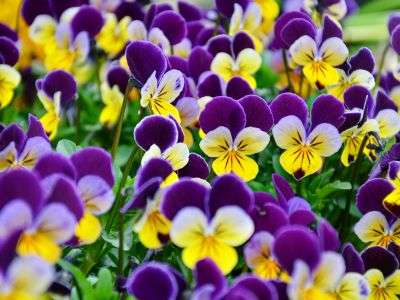
Violas, or Johnny Jump Ups, are small, delicate flowers that come in a variety of colors, often with intricate patterns.
- Cold Hardiness: Frost tolerant.
- Cold Hardy Varieties (for outdoor sowing in October): ‘Sorbet’, ‘Penny’
- Cold Hardy Varieties (for transplanting in October): ‘Endurio’, ‘Velour’
- Average Maturity & Bloom Time: Blooms in fall and continues through spring.
- Companion Planting: Compatible with pansies and spring bulbs.
- Uses: Landscaping, rock gardens, borders.
- Other Notes: Attracts pollinators like bees and butterflies.
Snapdragons

Snapdragons are tall, spiky flowers with tubular blooms that come in a range of bright colors.
- Cold Hardiness: Light frost tolerant.
- Cold Hardy Varieties (for outdoor sowing in October): ‘Rocket’, ‘Sonnet’
- Cold Hardy Varieties (for transplanting in October): ‘Liberty’, ‘Montego’
- Average Maturity & Bloom Time: Blooms in spring.
- Companion Planting: Pairs well with other cool-season flowers like pansies.
- Uses: Landscaping, cut flowers, container gardening.
- Other Notes: Can be pinched back for bushier growth.
Peonies

Peonies are perennial favorites known for their large, fragrant blooms that come in a range of colors from white to deep red. They are expensive flowers at the florist, so save yourself some money and plant a few in October.
- Cold Hardiness: Frost tolerant.
- Cold Hardy Varieties (for outdoor sowing in October): ‘Sarah Bernhardt’, ‘Karl Rosenfield’
- Cold Hardy Varieties (for transplanting in October): ‘Festiva Maxima’, ‘Duchesse de Nemours’
- Average Maturity & Bloom Time: Late spring to early summer.
- Companion Planting: Pairs well with irises and roses.
- Uses: Landscaping, cut flowers, borders.
- Other Notes: Peonies can live for decades if planted in the right spot. They prefer full sun and well-draining soil
Ornamental Cabbage and Kale
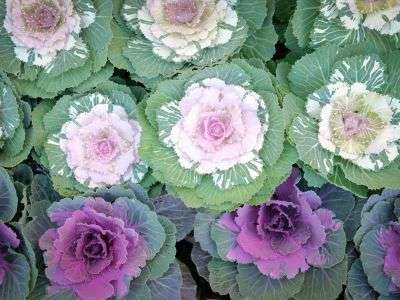
These ornamentals are grown for their colorful and textured foliage rather than flowers. They add vibrant colors to the fall garden.
- Cold Hardiness: Frost tolerant.
- Cold Hardy Varieties (for outdoor sowing in October): ‘Osaka’, ‘Nagoya’
- Cold Hardy Varieties (for transplanting in October): ‘Peacock’, ‘Chidori’
- Average Maturity & Bloom Time: Grows throughout the fall.
- Companion Planting: Compatible with mums and pansies.
- Uses: Landscaping, container gardening, borders.
- Other Notes: Colors become more vibrant with cooler temperatures.
Fall Mums (Chrysanthemums)
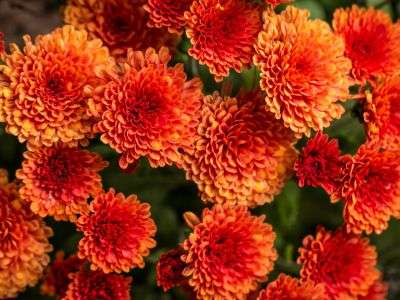
Fall mums are bushy plants with dense, daisy-like flowers. They’re a staple for fall color in the garden.
- Cold Hardiness: Light frost tolerant.
- Cold Hardy Varieties (for outdoor sowing in October): ‘Clara Curtis’, ‘Sheffield Pink’
- Cold Hardy Varieties (for transplanting in October): ‘Belgian Mum’, ‘Decorative Mum’
- Average Maturity & Bloom Time: Blooms in late summer to fall.
- Companion Planting: Pairs well with ornamental grasses and asters.
- Uses: Landscaping, container gardening, borders.
- Other Notes: Needs well-draining soil and regular watering.
Sweet Peas
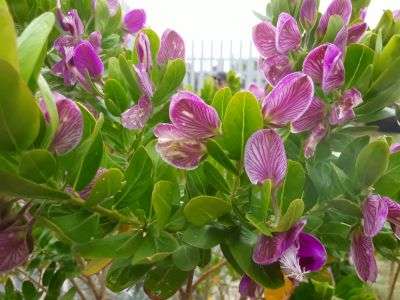
Sweet peas are climbing plants with fragrant, butterfly-like flowers. They’re often grown for their delightful scent.
- Cold Hardiness: Light frost tolerant.
- Cold Hardy Varieties (for outdoor sowing in October): ‘Early Multiflora’, ‘Spencer’
- Cold Hardy Varieties (for transplanting in October): ‘Old Spice’, ‘Bijou’
- Average Maturity & Bloom Time: Blooms in spring to early summer.
- Companion Planting: Compatible with climbing roses and clematis.
- Uses: Trellises, fences, cut flowers.
- Other Notes: Requires support for climbing.
Hellebores (Lenten Rose)
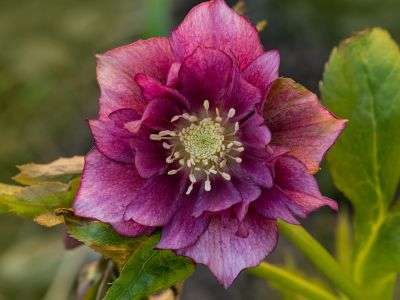
Hellebores are perennial flowers known for their early spring blooms, often when snow is still present.
- Cold Hardiness: Frost tolerant.
- Cold Hardy Varieties (for outdoor sowing in October): ‘Christmas Carol’, ‘Ivory Prince’
- Cold Hardy Varieties (for transplanting in October): ‘Royal Heritage’, ‘Winter Jewels’
- Average Maturity & Bloom Time: Blooms in late winter to early spring.
- Companion Planting: Pairs well with snowdrops and daffodils.
- Uses: Woodland gardens, shaded borders, under trees.
- Other Notes: Prefers well-draining soil and partial shade.
Cover Crops to Plant in October (Zone 7)
Cover crops like clover, vetch, and winter rye are planted, not for harvest, but to improve soil health. They prevent soil erosion, suppress weeds, and enrich the soil with organic matter. To sow cover crops, scatter seeds on the garden bed and rake them in. Water well and let them grow throughout the winter. Come spring, they can be tilled into the soil as green manure.
Clover

Clover is a nitrogen-fixing plant that improves soil health and provides green manure when tilled under.
- Cold Hardiness: Frost tolerant.
- Cold Hardy Varieties (for outdoor sowing in October): ‘Crimson Clover’, ‘Red Clover’
- Cold Hardy Varieties (for transplanting in October): Not typically transplanted.
- Average Maturity & Coverage Time: 60-90 days.
- Companion Planting: Works well with most garden crops.
- Uses: Soil improvement, green manure, attracts beneficial insects.
- Other Notes: Can be used as a living mulch between rows.
Vetch
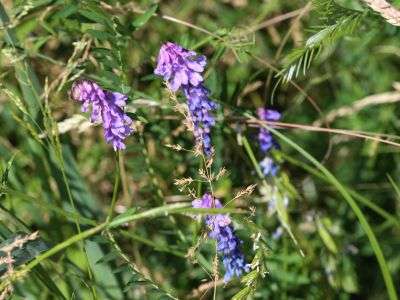
Vetch is a leguminous cover crop that fixes nitrogen and helps suppress weeds.
- Cold Hardiness: Frost tolerant.
- Cold Hardy Varieties (for outdoor sowing in October): ‘Hairy Vetch’, ‘Common Vetch’
- Cold Hardy Varieties (for transplanting in October): Not typically transplanted.
- Average Maturity & Coverage Time: 90-120 days.
- Companion Planting: Compatible with grains like rye or oats.
- Uses: Soil improvement, weed suppression, green manure.
- Other Notes: Can be tilled under before planting spring crops.
Winter Rye
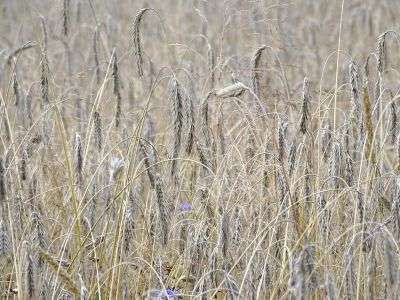
Winter rye is a fast-growing cover crop that prevents soil erosion and suppresses weeds.
- Cold Hardiness: Frost tolerant.
- Cold Hardy Varieties (for outdoor sowing in October): ‘Common Rye’, ‘Abruzzi’
- Cold Hardy Varieties (for transplanting in October): Not typically transplanted.
- Average Maturity & Coverage Time: 90-120 days.
- Companion Planting: Can be interplanted with legumes like vetch.
- Uses: Soil protection, weed suppression, green manure.
- Other Notes: Can be tilled under in spring before planting.
Preparing Your Garden for Winter
Once you’ve finished harvesting your fall crops, it’s time to start preparing your garden for winter. Here are a few tips:
- Clean up your garden beds: Remove any dead or diseased plants, as well as any weeds that have grown up. This will help to prevent pests and diseases from overwintering in your garden and infecting your plants next year.
- Mulch your garden beds:. This will help to protect the roots of your plants from the cold and prevent weeds from growing. You can use a variety of materials for mulch, such as straw, leaves, or wood chips.
- Water your plants deeply: This will help them to store up enough water to last through the winter.
- Cover tender plants with frost blankets or row covers: This will protect them from the cold winter weather.
In addition to these tips, you may also want to consider:
- Dividing and transplanting perennials: Helps them to stay healthy and vigorous.
- Pruning your shrubs and trees: Shape them and reduce the amount of damage they may suffer from winter storms.
- Applying a winter fertilizer: This helps your plants store up nutrients for the spring.
- Storing your garden tools and equipment: Protect them from the elements so you don’t have to go buy new tools next year.
Harvesting and Storing Fall Crops
Here are a few tips for harvesting and storing your fall crops:
- Harvest vegetables in the morning, after the dew has dried, for the best flavor and texture.
- Cut vegetables with a sharp knife, leaving a 1-inch stub on the stem to help prevent rot.
- Store root vegetables, such as carrots and potatoes, in a cool, dark place, such as a root cellar or basement.
- Store leafy greens in a plastic bag in the refrigerator.
- Check your vegetables regularly for signs of spoilage, such as soft spots, mold, or discoloration. Discard any vegetables that are starting to go bad.
Here are some additional tips:
- Wash vegetables thoroughly before storing them.
- Do not wash root vegetables before storing them, as this can cause them to rot.
- Do not store vegetables near fruits that produce ethylene gas, such as apples and bananas, as this can cause them to spoil faster.
- If you are not going to eat your vegetables within a few days, it is best to freeze them.
Planning for Next Year’s Garden
Now is a great time to start planning for next year’s garden. Here are a few tips to help you make your plan:
- Sketch out a garden plan. This will help you to make the most of your space and ensure that your plants are properly spaced. When planning your garden, be sure to consider the following:
- The amount of sunlight your garden receives
- The type of soil you have
- The plants you want to grow
- The pests and diseases that are common in your area
- Rotate crops. Rotating your crops helps to prevent soil-borne diseases. To rotate your crops, plant different types of plants in the same spot each year. This will help to break up the life cycle of the diseases and prevent them from building up in the soil.
- Make a list of plants you’d like to try next year. When making your list, consider the following:
- The plants you enjoyed growing this year
- The plants that were successful in your garden
- The plants that you want to try for the first time
- Consider starting a gardening journal. A gardening journal can be a great way to track your progress and learn from your mistakes. In your journal, you can keep track of the following:
- The plants you grow
- When you plant them
- How you care for them
- When they flower and produce fruit
- Any problems you encounter
Conclusion
October in Zone 7 is the beginning of a new gardening season, not the end of the summer one. By planting now, you are setting the stage for a bountiful spring. Embrace the cool days, the rhythm of nature, and the promise of new growth.
What are you planning to plant in October in your Zone 7 garden? Share your experiences, challenges, and successes in the comments below.


I’m in Zone 9, but sent this post to my friend in Zone 7. I always want to encourage people to plant and grow! Thanks for the information that I could give to her.