
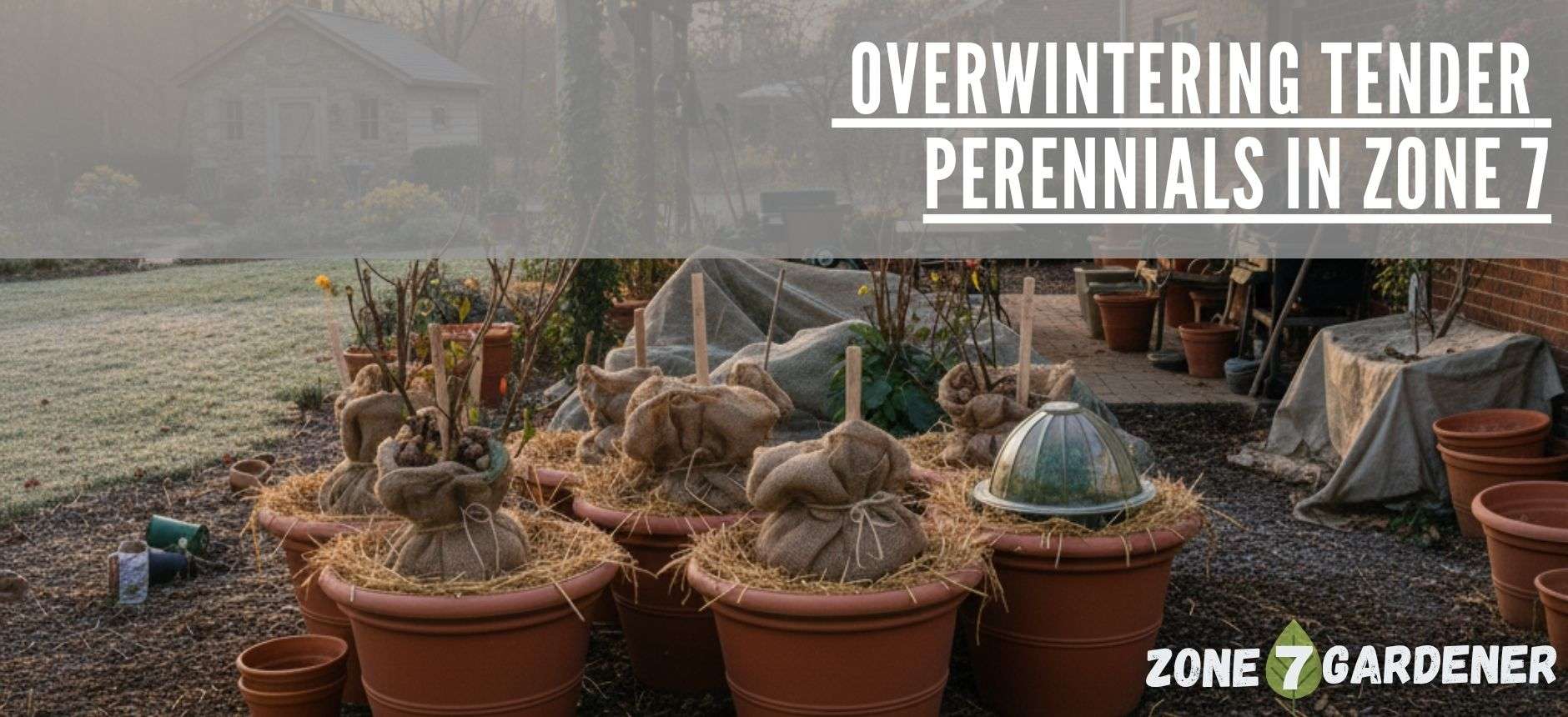
The Complete Guide to Overwintering Tender Perennials in Zone 7
Transform Your Garden from Seasonal to Spectacular Year After Year
Picture this: The vibrant crescendo of late summer fades, and your Zone 7 garden is a masterpiece. Elephant Ears stand bold against fiery Dahlias, while cascading Fuchsias spill from hanging baskets. Yet the first frost looms, threatening to turn these magnificent specimens into a season-long memory.
But it doesn’t have to be this way. This complete guide will empower you to transform these stunning plants from disposable annuals into long-lived centerpieces that return year after year, more robust and spectacular than before.
🌡️Understanding Your Zone 7 Climate
Success in overwintering begins with understanding your environment. Zone 7 is divided into two sub-zones based on the average annual extreme minimum winter temperature:
Average minimum: 0°F to 5°F
Average minimum: 5°F to 10°F
This temperature profile places Zone 7 in a unique “transitional” position. Many borderline-hardy plants like Dahlias and Cannas may survive in the ground with perfect conditions, but digging and storing indoors is the only guaranteed method. You must become a risk assessor, considering your sub-zone, microclimates, and soil type.
🔧The Five Core Strategies for Overwintering
Think of these methods as a versatile toolkit. The right tool depends on plant type, available space, and your tolerance for risk.
1In-Ground Protection (The Calculated Risk)
Best for: Borderline-hardy plants like Dahlias, Cannas, and Elephant Ears in Zone 7b with excellent drainage
2Dormant Storage (The Classic Method)
Best for: Plants with fleshy storage organs like Dahlias, Cannas, Begonias, and Gladioli
3The Indoor Garden (Active Houseplants)
Best for: Fibrous-rooted plants like Pelargoniums, Coleus, Fuchsias, and tender ferns
4Potted Dormancy (The Garage Method)
Best for: Tender plants in containers, especially Zone 8-9 hardy varieties
5Propagation (Creating New Life)
Best for: Easy-rooting plants like Coleus and Pelargoniums as space-saving insurance
🌿Plant-by-Plant Overwintering Guide
The Challenge: Dahlias are the quintessential Zone 7 calculated risk. Survival in-ground is possible with sandy, well-drained soil and thick mulch, but a cold winter or wet soil will likely cause rot.
Recommended Method: Dig and store dormant. Wait a week after first killing frost, cut stems to 3-4 inches, dig carefully, air dry 1-2 days, then pack in ventilated box with vermiculite. Store at 40-50°F.
The Options: Cannas are excellent candidates for in-ground mulching in Zone 7. With 6-8 inches of insulating mulch over rhizomes, they have good survival odds in free-draining soil.
Insurance Policy: Many gardeners dig half their stock and leave half in-ground as insurance.
Storage Method: Wait for frost to blacken foliage, cut to 4-6 inches, dig rhizomes, brush off soil (don’t wash), cure for a few days, then store in boxes at 40-50°F. Considered one of the easiest to store!
Pelargoniums offer three successful paths – choose what fits your space and effort level:
Method 1 – Houseplant: Bring potted plants inside before frost, prune back one-third, place in sunny window (60-65°F), water when dry.
Method 2 – Cuttings (Space-Saver!): Take 3-4 inch stem cuttings in early fall, root in soilless mix, grow on windowsill all winter.
Method 3 – Bare-Root Dormant: Dig plants, shake all soil from roots, hang upside down or store in box at 45-55°F. Some gardeners soak roots in water a few times during winter.
In-Ground Method (Highly Effective!): After frost kills foliage, don’t cut it back immediately. Cover entire area with deep mound of chopped leaves or grass clippings. This is a highly effective method for Zone 7.
Storage Alternative: Dig after foliage dies, cure in warm, dry place for 1-2 weeks, store in box with peat moss at 45-55°F (slightly warmer than Dahlias).
Method 1 – Houseplant: Bring potted coleus indoors. Expect some leaf drop during acclimation. Requires bright, indirect light for vibrant color.
Method 2 – Cuttings (Highly Recommended!): Take 4-inch stem cuttings, remove lower leaves, place in vase of water on bright windowsill. Roots within weeks – incredibly easy!
Tuberous Begonias: Wait for foliage to yellow naturally, cut stems, dig tuber, dry completely, store cool and dry.
Fuchsias: Challenging indoors due to sparse growth. Best in cool greenhouse. Alternatively, allow dormancy, cut back hard, store pot in cool garage, water sparingly.
Caladiums: Dig when foliage yellows, cure 1-2 weeks in warmth, store at warmer 60-65°F. More difficult than other corms.
Gladioli: Dig after foliage dies, cure 2-3 weeks, remove old mother corm, store new corms in mesh bags at 35-45°F.
📊Quick Reference Chart
| Plant | Primary Method | Storage Temp | Key Notes |
|---|---|---|---|
| Dahlia | Dig & Store Dormant | 40-50°F | Brittle tubers; cure before storing |
| Canna | Store or In-Ground Mulch | 40-50°F | Very easy; mulching viable in Zone 7 |
| Pelargonium | Houseplant/Cuttings/Bare-Root | 45-70°F | Highly versatile options |
| Elephant Ear | In-Ground Mulch or Store | 45-55°F | In-ground reliable for Zone 7 |
| Coleus | Cuttings or Houseplant | 60°F+ (Active) | Cannot store dormant; roots in water |
| Tuberous Begonia | Dig & Store Dormant | 40-50°F | Wait for natural yellowing |
| Gladiolus | Dig & Store Dormant | 35-45°F | Cure 2-3 weeks; mesh bags |
🔍Troubleshooting Common Problems
Problem: Rot & Mold
Symptoms: Mushy spots, fuzzy mold on stored organs
Cause: Excess moisture, poor air circulation
Solutions
Prevention: Ensure thorough curing before storage
Intervention: Cut away affected tissue to healthy flesh. Discard if more than half rotten. Improve ventilation.
Problem: Desiccation
Symptoms: Shriveled, wrinkled, lightweight organs
Cause: Too warm or low humidity storage
Solutions
Monitor: Check monthly for wrinkling
Rehydrate: Very lightly mist packing medium (be conservative – easier to add than fix rot!)
Problem: Pest Infestations
Symptoms: Aphids, spider mites, whiteflies on indoor plants
Cause: Pests hitched ride from garden
Solutions
Prevention: Inspect thoroughly before bringing inside. Spray with hose, treat with neem oil
Quarantine: Isolate new indoor plants for weeks
Problem: Premature Sprouting
Symptoms: Pale new shoots in January
Cause: Storage temperature too warm or fluctuating
Solutions
Move: Relocate to cooler area if possible
Don’t Feed: Avoid light and significant water – this depletes energy reserves
🌸The Spring Awakening
After a long winter’s rest, bringing your plants back to life is the final rewarding step.
Waking from Dormancy
The Art of Hardening Off
This gradual 7-10 day acclimation process is essential:
Planting and First Care
Wait until all danger of frost has passed (after April 15 in Zone 7). Plant into well-amended soil, water thoroughly to settle roots, and wait two weeks before fertilizing to allow establishment.
Transform Your Garden Relationship
Overwintering is more than techniques – it’s a shift in perspective. It transforms your relationship with your garden from a seasonal affair into a continuous, year-round partnership. By mastering these strategies, you cultivate more mature, robust plants that become the cherished, living history of your garden, returning each year with greater vigor and beauty.
The effort invested in fall and winter is repaid tenfold in the spectacular display of seasons to come.
💚Final Tips for Success
- Start small – choose your favorite 2-3 plants to overwinter your first year
- Label everything meticulously – you won’t remember varieties months later
- Check stored plants monthly for signs of problems
- Keep a garden journal noting what worked and what didn’t
- Don’t be discouraged by losses – even experienced gardeners lose some plants
- Consider the garage method for beginners – it’s the most forgiving
- Trial leaving a few less-valuable plants in-ground while storing cherished ones
Share Your Success!
Have you successfully overwintered tender perennials in Zone 7? Share your tips and experiences in the comments below. What worked for you? What challenges did you face?
Happy gardening, and here’s to many seasons of returning blooms!
About Zone7Gardener.com: Your trusted resource for expert gardening advice tailored specifically to the unique challenges and opportunities of USDA Zone 7. From overwintering strategies to seasonal planting guides, we help you create a thriving, resilient garden year after year.
🌿 Frequently Asked Questions (FAQ)
Overwintering means protecting plants through the cold winter months so they survive until spring. This can involve mulching, bringing plants indoors, or storing dormant bulbs and tubers in a cool, dry place.
In Zone 7, tender perennials like Dahlias, Cannas, Elephant Ears, Coleus, Pelargoniums, Begonias, Fuchsias, Caladiums, and Gladioli often need protection or indoor storage to survive winter temperatures.
Some borderline-hardy plants like Cannas and Elephant Ears can survive in-ground under deep mulch, especially in Zone 7b with well-drained soil. However, digging and storing indoors is safer for long-term survival.
After the first frost kills the foliage, dig the tubers or rhizomes, brush off excess soil (do not wash), cure them for a few days, then store in a ventilated box filled with peat moss, vermiculite, or sawdust at 40–50°F.
Yes. Many gardeners use the garage or shed method—move dormant potted plants to an unheated but frost-free space (34–45°F). Water lightly once a month to prevent roots from drying out completely.
Bring tender tropicals like Coleus, Fuchsias, and Pelargoniums indoors before nighttime temperatures drop below 50°F. Place them in a bright window or under grow lights, reduce watering, and stop fertilizing until spring.
Most plants can return outdoors after the last frost date (around April 15 in Zone 7). Gradually reintroduce them to sunlight and outdoor conditions over 7–10 days to prevent transplant shock.
Make sure to fully dry and cure bulbs before storing. Keep them in breathable containers in a cool, dry, dark location with good airflow. Check monthly and remove any that show signs of rot or mold.
Inspect stored bulbs, tubers, or cuttings once a month. Remove any decaying parts, adjust moisture if too dry, and ensure temperature and ventilation remain stable.
The easiest ones include Cannas, Pelargoniums (geraniums), and Elephant Ears. They tolerate a range of storage methods and recover quickly in spring.


