

Gardening enthusiasts often emphasize the importance of timing, especially when it comes to planting garlic. The right planting time can be the difference between a bountiful harvest and a disappointing yield.
For those in Zone 7, this timing becomes even more crucial due to the unique climate conditions of the area. Zone 7 is further divided into two sub-zones: 7a and 7b, each with its subtle differences that can impact the growth of your garlic. This article aims to provide a comprehensive guide on when to plant garlic in both Zone 7a and 7b.
TL;DR – Zone 7a gardeners, get your garlic in the ground by mid-October; Zone 7b, you have until early November. Opting for spring? March is your month in Zone 7b. But that’s just the beginning—my guide below lays out the path to garlic glory, with expert tips and tricks for every step of the way.
Understanding Zone 7 Climate: 7a vs. 7b

Zone 7 is a gardening zone in the United States that spans across various parts of the country. It has a moderate climate that is generally favorable for gardening. However, there are distinct characteristics between its two sub-zones:
- Zone 7a experiences minimum winter temperatures between 0 to 5°F. The slightly cooler temperatures can influence the garlic’s vernalization process, which is a period of dormancy that is necessary for the garlic to grow properly.
- Zone 7b experiences minimum winter temperatures between 5 to 10°F, making it slightly warmer than 7a. This difference can slightly adjust the planting schedules and growth patterns of garlic. (source)
Both these sub-zones have their unique challenges and advantages when it comes to garlic growth. Recognizing and adapting to these differences is key to a successful garlic planting season.
For example, in Zone 7a, garlic should be planted in the fall so that it can experience the necessary vernalization period. In Zone 7b, garlic can be planted in the fall or spring. However, if planted in the spring, it is important to make sure that the soil is warm enough before planting, as garlic will not grow if the soil is too cold. If planting garlic in the spring, I’d say it is best to make sure that the soil temperature is at least 50°F before planting.
(I know, it’s confusing. You’re supposed to plant it in the fall so it goes through cold vernalization, but in the spring you want to make sure it doesn’t get cold. There is a difference between spring and fall planted garlic, which I’ll explain a little further below).
Another difference between the two sub-zones is that garlic in Zone 7a may need to be protected from frost in the spring. This can be done by using row covers, covering the garlic with mulch,planting it in a raised bed, or using a garden cloche. Garlic in Zone 7b is less likely to be affected by frost, but it is still a good idea to take precautions to protect it.
Here is a summary of the key points:
- Zone 7a has cooler winter temperatures than Zone 7b, so garlic planted in Zone 7a may need to be protected from frost in the spring.
- Garlic can be planted in the fall or spring in Zone 7b, but if planted in the spring, it is important to make sure that the soil is warm enough before planting.
- Garlic needs a period of cold dormancy, called vernalization, to grow properly. This is why it is best to plant garlic in the fall in Zone 7a.
Choosing the Right Garlic Variety for Zone 7
In Zone 7, timing your garlic planting is crucial, and selecting the right variety can make all the difference. You’ll mainly choose between softneck, hardneck, and elephant garlic, each suited to different aspects of Zone 7’s climate.
- Softneck Garlic: Softneck garlic is the most common type of garlic found in grocery stores and is generally more adaptable to a wider range of climates. It’s also the type that stores best.
- Hardneck Garlic: For the cooler parts of Zone 7a, hardneck varieties such as ‘Rocambole’ and ‘Purple Stripe’ offer complex flavors and are well-suited to the colder winters.
- Elephant Garlic: Elephant garlic is not true garlic but a type of leek. It has a mild flavor and large, easy-to-peel cloves. Elephant garlic grows well across Zone 7, with its large cloves adding a gentle flavor to dishes.

Recommended Garlic Varieties for Zone 7:
- Softneck: Silverskin, New York White Neck, California Early, Red Toch
- Hardneck: Rocambole, Purple Stripe, Porcelain, Marbled Purple Stripe, Glazed Purple Stripe
- Elephant: Any variety
When choosing a garlic variety, it is important to consider the climate of your garden and your personal preferences. For gardeners in zone 7, I recommend trying a few different varieties to see which ones grow best in your specific location and which ones you prefer the taste of.
Fall vs. Spring Planting of Garlic
Garlic is a versatile crop that can be planted in both the fall and spring. However, each season has its own specific requirements and challenges. Let’s take a look at the pros and cons of each planting time to help you decide which is right for you.

Benefits of Fall Planting
- Stronger Root Development: Garlic planted in the fall has the entire winter to develop a robust root system, which supports vigorous spring growth and larger bulbs.
- Vernalization*: The natural cold period during winter fulfills the garlic’s vernalization requirement, ensuring proper differentiation of cloves and bulb formation.
- Larger Bulbs: The extended growing season allows for more leaf development in the spring, which correlates with larger bulb size at harvest.
- Weed Suppression: Fall-planted garlic can outcompete early spring weeds, reducing maintenance efforts.
- Water Efficiency: Fall rains and cooler spring weather can reduce the need for irrigation, making fall planting more water-efficient.
Challenges of Fall Planting
- Weather Uncertainty: An unusually harsh winter can damage or kill garlic plants if they haven’t established enough or aren’t mulched properly.
- Pest Overwintering: Some pests and diseases can overwinter in the soil and affect garlic as soon as it emerges in the spring.
- Timing Sensitivity: Planting too early can lead to excessive top growth that’s vulnerable to winter kill; too late, and the roots may not establish well.
Benefits of Spring Planting
- Flexibility: Spring planting offers a second chance for gardeners who missed the fall planting window.
- Pest Monitoring: It’s easier to monitor and manage pests and diseases as the weather warms up and the days are longer.
- Soil Preparation: Spring offers more time to prepare the soil, ensuring better conditions for garlic growth.
- Variety Experimentation: Spring is a good time to experiment with different varieties that may not require as much vernalization.
Challenges of Spring Planting
- Smaller Bulbs: Without the benefit of a full growing season, spring-planted garlic typically produces smaller bulbs.
- Increased Pest Pressure: Warmer temperatures can bring about a surge in pest populations, which can be more challenging to control.
- Vernalization Requirement: For spring planting, garlic cloves must be artificially vernalized, adding an extra step to the process.
- Water Management: Spring and summer can be drier, requiring more diligent watering to ensure the garlic doesn’t suffer from drought stress.
- Heat Stress: Garlic planted in the spring may experience more stress from heat as it approaches maturity, which can affect bulb quality and storage life.
*Vernalization is a term you’ll come across often when researching garlic planting. It refers to the cold treatment garlic requires to produce bulbs. We’ll delve deeper into this concept in the next section.
What is Garlic Vernalization
Vernalization is a process that plants undergo to prepare for flowering. It is a period of exposure to cold temperatures that triggers the plant to produce flowers. Garlic is one of the many plants that require vernalization. Without it, garlic will not produce flowers or bulbs.
The amount of cold exposure that garlic needs varies depending on the variety. Some varieties need as little as 200 hours of cold, while others need as much as 600 hours. The amount of cold exposure also affects the size and quality of the garlic bulbs. Garlic that has been exposed to more cold will produce larger, more flavorful bulbs.
In Zone 7, both 7a and 7b offer the cold temperatures necessary for garlic vernalization. However, the duration and intensity of this cold exposure can vary between the two sub-zones. Zone 7a has a shorter growing season than Zone 7b, so garlic in Zone 7a may need to be planted earlier to get the necessary cold exposure. The cold temperatures in Zone 7b are also more intense than in Zone 7a, so garlic in Zone 7b may need to be planted later to avoid being damaged by the cold.
To ensure that your garlic gets the necessary cold exposure, you can plant it in the fall or early winter. You can also trick mother nature and artificially vernalize your garlic.
Artificial Vernalization of Garlic Techniques
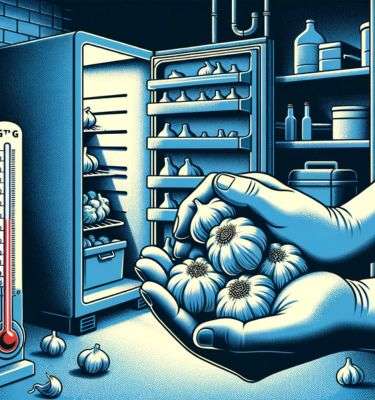
Artificial vernalization is a controlled process that simulates the natural cold period garlic requires to initiate bulb development. This technique is particularly useful for gardeners who missed the fall planting window or are in regions with milder winters that may not provide sufficient cold exposure.
How to Artificially Vernalize Garlic
There are two main ways to artificially vernalize garlic:
- Refrigeration: Place the garlic cloves in a perforated plastic bag or paper bag and store them in the refrigerator at 32-41°F (0-5°C) for 4-6 weeks. Be sure to check the garlic cloves regularly to make sure that they are not drying out.
- Garage or Basement: If you live in a cold climate, you can also artificially vernalize garlic by storing the cloves in a garage or basement. Be sure to choose a location that is cool and dark. The temperature in the storage area should be between 32-41°F (0-5°C).
The Ideal Time to Plant Garlic in Zone 7 (7a and 7b)
The best time to plant garlic in Zone 7 depends on the variety of garlic you are planting and the climate in your area. In general, hardneck garlic should be planted in October in zone 7, from October 1st to October 15th, while softneck garlic can be planted in the fall or spring. If you are planting in the spring, it is important to vernalize the cloves first, which means exposing them to cold temperatures for several weeks. This will help the garlic to grow properly.
Here are the recommended planting times for both hardneck and softneck garlic in Zone 7:
When to Plant Garlic in Zone 7a:
Fall Planting Garlic in Zone 7a:
- Hardneck Garlic: Best planted from October 1st to October 15th. Hardneck garlic needs a period of cold weather, or vernalization, in order to produce bulbs. Planting in the fall allows the garlic to develop roots before the ground freezes, and the cold winter temperatures will help to trigger vernalization.
- Softneck Garlic: Also ideal to plant from October 1st to October 15th.. Softneck garlic is not as dependent on vernalization as hardneck garlic, but it is still best to plant in the fall in Zone 7. This will give the garlic a chance to establish itself before the winter, and it will be ready to start growing early in the spring.
Spring Planting Garlic in Zone 7a:
- Hardneck Garlic: Plant from March 1st to March 15th.If you are planting hardneck garlic in the spring, it is important to vernalize the cloves first. This can be done by placing them in the refrigerator for at least 40 days at temperatures between 32°F and 50°F. Once the cloves have been vernalized, you can plant them in the garden
- Softneck Garlic: Suitable to plant from March 10th to March 25th, with vernalization recommended for best results.
When to Plant Garlic in Zone 7b:
Fall Planting Garlic in Zone 7b:
- Hardneck Garlic: In Zone 7b, where winters are slightly milder, planting hardneck garlic between October 15th and November 5th is optimal. This allows the garlic to root without the shoots breaking the surface before the winter sets in, which is crucial for the development of a strong plant that will yield large bulbs.
- Softneck Garlic: Softneck garlic should be planted slightly later in Zone 7b, from October 20th to November 10th. The milder climate of Zone 7b allows for a more flexible planting schedule, and planting during this period takes advantage of the cool soil temperatures that are not yet too cold for root development. If you plan to plant your garlic on the later end, check out some other vegetables to plant in November so you can use more of your garden space.
Spring Planting Garlic in Zone 7b:
- Hardneck Garlic: For those who prefer spring planting, February 20th to March 10th is the best time. This allows the garlic to experience some cooler early spring weather, which is beneficial for hardneck varieties that require a cold period for proper bulb formation. Pre-chilled cloves are necessary to compensate for the lack of natural vernalization.
- Softneck Garlic: Planting from February 25th to March 15th is suitable for softneck varieties in Zone 7b. This timing allows the garlic to take advantage of the remaining cool days of early spring, which is important for the development of the cloves. As with hardneck varieties, vernalization is recommended to ensure the garlic develops properly.
| Zone | Fall Planting | Spring Planting |
| 7a | Hardneck: October 1-15 Softneck: October 1-15 | Hardneck: March 1-15 Softneck: March 10-25 |
| 7b | Hardneck: October 15-November 5 Softneck: October 20-November 10 | Hardneck: February 20-March 10 Softneck: February 25-March 15 |
I want to note that these are just general guidelines, and the best planting time for your garlic may vary depending on your specific microclimate. Be sure to do some research and talk to local gardeners to get the best advice for your area.
How Long Does It Take Garlic to Grow?
Garlic is a slow-growing crop, and it takes about 9 months from planting to harvest. This can be frustrating for impatient gardeners, but it is important to remember that garlic needs time to develop its roots, bulbs, and scapes. I didn’t realize this the first time I planted garlic, so it ended up seeming like an eternity.
The time it takes for garlic to grow from planting to harvest is typically about 9 months. However, this timeline can vary based on the variety of garlic and the planting season. From planting to harvest, garlic typically takes about 9 months. However, this timeline can vary based on the variety of garlic and the planting season:
- Fall Planting: Fall planting is the most common method, and garlic planted in the fall is typically ready for harvest by mid to late summer of the following year. This means if you plant in October, you can expect to harvest around July.
- Spring Planting: Spring-planted garlic matures faster due to the warmer temperatures but often yields smaller bulbs. If planted in March, expect a harvest around August.
Factors like soil quality, water availability, and pest management can also influence the growth rate. Regular care, timely fertilization, and adequate watering can ensure your garlic grows healthily and is ready for harvest in its due season.
The variety of garlic can also affect the time it takes to grow. Hardneck garlic typically takes longer to mature than softneck garlic. The climate in which you are growing your garlic can also affect the time it takes to grow. Garlic grows faster in warmer climates than in cooler climates.
To help your garlic grow faster, plant in well-drained soil, fertilize regularly, and water deeply. You can also mulch around your garlic plants to help retain moisture and suppress weeds.
Quick Guide to Garlic Planting and Care
Garlic, while relatively easy to grow, requires specific care to ensure a bountiful harvest. From soil preparation to the final harvest, every step plays a crucial role in determining the quality and quantity of your yield.
Below are the basics you should know to grow garlic in your zone 7 garden. For a detailed guide to planting garlic, check out my other post – The Ultimate Guide to Growing Garlic in Zone 7
- Preparing the Soil:
- Importance of pH Levels: Garlic thrives in soil with a pH level between 6.5 and 7.5. Before planting, consider testing your soil’s pH. Adjustments can be made using lime (for acidic soil) or sulfur (for alkaline soil) to achieve the desired pH level.
- Enriching the Soil: A nutrient-rich soil is vital for garlic’s growth. Incorporate well-decomposed compost or organic matter a few weeks before planting. This not only provides essential nutrients but also improves soil texture, ensuring better root growth.
- Drainage Tips: Garlic roots can rot in waterlogged conditions. Ensure your planting site has good drainage. Raised beds, at least 6 inches high, can be beneficial in areas with drainage issues.
- Planting Garlic:
- Fall Planting: Choose healthy, large cloves and plant them 2 inches deep with the pointed end facing up. Space them 4-6 inches apart. After planting, cover the area with a 2-inch layer of mulch to protect the cloves from severe winter temperatures.
- Spring Planting: For those planting in spring, especially in Zone 7b, ensure the cloves have undergone artificial vernalization by storing them in a refrigerator for at least 40 days before planting.
- Caring for Your Garlic Crop:
- Watering: While garlic needs consistent moisture, avoid waterlogging the soil. Water deeply once a week, adjusting based on rainfall and soil moisture levels.
- Fertilizing: A month after planting, apply a balanced fertilizer, like Espoma Garden Food Fertilizer 5-10-5, to boost growth.
- Weeding: Regularly remove weeds, as they compete with garlic for nutrients. Hand-pulling or light hoeing is effective without disturbing the garlic roots.
- Pest Management: While garlic is pest-resistant, keep an eye out for aphids, thrips, and nematodes. Natural predators or organic insecticides can help manage these pests.
- Harvesting, Curing, and Storing:
- Recognizing Harvest Signs: When the lower leaves turn brown but around five green leaves remain, it’s time to harvest.
- Curing Techniques: After harvesting, lay the garlic bulbs in a well-ventilated area, away from direct sunlight, for 2-3 weeks. This process hardens the skin and extends the storage life.
- Storage Best Practices: Store cured garlic in a cool, dry place. Mesh bags or braided ropes are ideal for storage, ensuring good air circulation.
Conclusion
There you have it, the ins and outs of when to plant garlic in Zone 7. Whether you’re a seasoned green thumb or just starting out, I hope this guide sets you up for a great growing season. Got questions or want to share your garlic triumphs? Drop a comment below, and don’t forget to explore the rest of the site for more gardening wisdom!


