

November in Zone 7 is a unique time for gardeners. While many might see the falling leaves and feel the chill in the air as a sign to hang up their gardening gloves, savvy gardeners know it’s an opportunity. If you’ve ever wondered, “What can I plant in November in Zone 7?” you’re in the right place. This month offers a fresh start for a variety of plants, especially certain cold weather crops.
The weather in Zone 7 is still mild enough in November to plant a variety of cold-weather crops, such as broccoli, Brussels sprouts, cabbage, carrots, cauliflower, kale, lettuce, peas, and turnips (full list of November crops to plant below). These crops will thrive in the cool temperatures and will be ready to harvest in the early spring. Some plants, like carrots, actually taste sweeter after a frost. In addition to cold-weather crops, November is also a good time to plant bulbs and perennials that will add some early color to your spring garden.
Let’s dive into this guide on November gardening in Zone 7 and discover how you can extend your growing season when most gardeners are closing up for the winter.
- Understanding Zone 7 Climate in November
- What to Plant in November in Zone 7
- Vegetables to Plant in November (Zone 7)
- Fruits to Plant in November (Zone 7)
- Herbs to Plant in November (Zone 7)
- Flowers and Ornamentals to Plant in November (Zone 7)
- Cover Crops to Plant in November (Zone 7)
- Preparing Your Garden for Winter
- Harvesting and Storing Fall Crops
- Planning for Next Year's Garden
- Your November Garden
Understanding Zone 7 Climate in November
Zone 7 is a USDA climate hardiness zone that covers a large portion of the United States, from the Mid-Atlantic to the Pacific Northwest. The climate in zone 7 can vary depending on the specific location, but it is generally characterized by warm, humid summers and mild winters.

November is a transitional month in zone 7, with the weather beginning to cool down even more than October and the leaves starting to change color. The average temperature in November ranges from the mid-40s to the mid-50s degrees Fahrenheit across most of zone 7, with the coldest temperatures occurring at the end of the month. The average rainfall in November is 3 to 4 inches, with the heaviest rainfall occurring in the Pacific Northwest.
Overall, the climate in zone 7 in November is favorable for planting a variety of cool-season vegetables. However, it is important to note that the first frost can occur at any time in November, so it is important to choose varieties that are cold-hardy and have a short maturation period.
*The first frost date in USDA Hardiness Zone 7 is usually in mid-late October or early November
- To check for your expected last frost date, plug your zip code into Almanac.com’s frost date tool
The following are some key characteristics of the Zone 7 climate in November:
- Average temperatures: 45-55 degrees Fahrenheit
- Precipitation: 3-4 inches
- Frost dates: Mid-October to early November
- Snowfall: 0-6 inches
What to Consider When Planting in Zone 7 in November
When choosing plants to plant in Zone 7 in November, it is important to consider the following factors:
- Temperature tolerance: Choose plants that are cold-hardy and can tolerate frost.
- Daylight hours: November days are shorter, so choose plants that can thrive in low light.
- Soil type: Amend your soil with organic matter to improve drainage and fertility.
- Water requirements: Most plants will need less water in November, but it is still important to water them regularly
What to Plant in November in Zone 7
November in Zone 7 is not just about preparing for winter; it’s about sowing the seeds (literally) for a bountiful harvest. Whether you’re looking at winter garden plants for Zone 7 or planning ahead for spring, there’s a lot you can do.
From vegetables to herbs, fruits, and even some flowers, you’ll see that there are plenty of options for what to plant in November in zone 7. The key is to know which plants are suitable for November sowing and which ones require a bit more care and attention.
Vegetables to Plant in November (Zone 7)
This section is split up into recommendations for plants to direct sow and plants that should be transplanted into your garden. When considering what vegetables to plant in November, Zone 7 gardeners have a lot of options. However, one key factor to consider is whether you should direct sow or transplant an established plant in November.
Direct sowing is the process of planting seeds directly into the ground. This is a good option for some vegetables, such as peas, lettuce, and spinach. However, it is important to note that direct sowing can be risky in November, as the weather may be too cold for the seeds to germinate.
Transplanting is the process of moving an established plant from one location to another. This is a good option for vegetables that are slow to germinate, such as broccoli and Brussels sprouts. Transplanting also allows you to control the growing conditions of the plant, which can be helpful in cold climates.
Ultimately, the best way to decide whether to direct sow or transplant in November is to consider the specific vegetables you want to plant and the weather conditions in your area.
Direct Sow in the Garden in November
Leafy Greens:
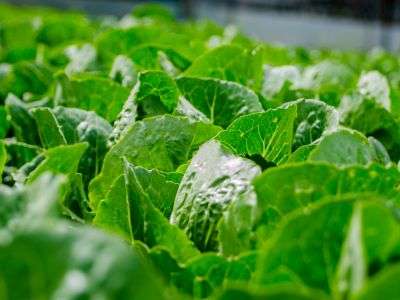
Arugula, Kale, Spinach, and Lettuce are Zone 7 cold-weather crops that thrive in the cooler temperatures of November. They are all leafy greens that are packed with nutrients and can be eaten raw or cooked. Arugula has a peppery flavor, kale is hearty and fibrous, spinach is mild and versatile, and lettuce is crisp and refreshing.
These crops are all relatively easy to grow and can be planted in the fall or winter. They are a great way to add some healthy greens to your diet during the colder months.
Average Maturity & Harvest Time:
- Arugula: 20-40 days
- Kale: 30-40 days for baby leaves; 50-65 days for mature leaves
- Spinach: 37-45 days
- Lettuce: 30-60 days, depending on the variety
Planting Tips and Information:
- Arugula: Prefers well-draining soil; can tolerate a slight frost.
- Kale: Plant in full sun to light shade; prefers slightly acidic soil.
- Spinach: Plant in a spot with full sun to partial shade; requires consistently moist soil.
- Lettuce: Prefers cool conditions and well-draining soil; ensure regular watering.
Companion Planting Recommendations:
- Arugula: Pairs well with bush beans, beets, carrots, celery, cucumber, dill, lettuce, mint, nasturtium, potato, rosemary, spinach, and thyme.
- Kale: Companions include beets, celery, cucumbers, dill, garlic, hyssop, lettuce, mint, onions, potatoes, rosemary, sage, and spinach.
- Spinach: Plant near strawberries, beans, peas, and radishes; avoid planting near potatoes.
- Lettuce: Good companions are carrots, radishes, strawberries, and cucumbers.
Gardening Tools:
- Hand trowel for transplanting seedlings.
- Garden hoe or rake for preparing the soil.
- Watering can or hose with a gentle spray nozzle for watering.
- Floating row covers for protection against pests and light frost.
Root Vegetables:
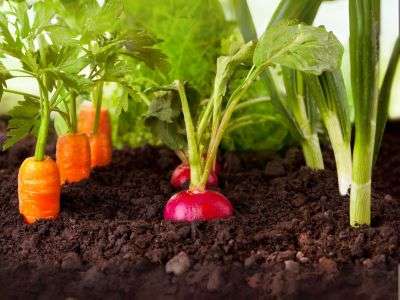
Carrots, Beets, Turnips, Rutabagas, Parsnips, and Radishes are root vegetables that not only thrive in cooler temperatures but their flavors also sweeten with frost. These underground treasures are nutrient-dense and offer a variety of flavors and textures to your winter meals.
Average Maturity & Harvest Time:
- Carrots: 50-75 days
- Beets: 50-65 days
- Turnips: 30-60 days
- Rutabagas: 90-100 days
- Parsnips: 100-120 days (but sweeter after frost)
- Radishes: 20-30 days
Planting Tips and Information:
- Carrots: Require loose, sandy soil to form straight roots.
- Beets: Plant in full sun and ensure consistent moisture.
- Turnips: Prefer slightly acidic soil and regular watering.
- Rutabagas: Need full sun and well-draining soil.
- Parsnips: Require deep, loose soil and benefit from a touch of frost.
- Radishes: Require consistent moisture for even growth.
Companion Planting Recommendations:
- Carrots: Pair with tomatoes, peas, and radishes.
- Beets: Good with onions but avoid pole beans.
- Turnips: Complement peas and beans.
- Rutabagas: Pair with peas.
- Parsnips: Complement with radishes and rosemary.
- Radishes: Pair well with carrots and peas.
Gardening Tools:
- Garden fork for loosening soil for deep-rooted vegetables.
- Hand trowel for thinning and harvesting.
- Drip irrigation or soaker hose for consistent watering.
- Row covers for protection against pests.
Alliums:
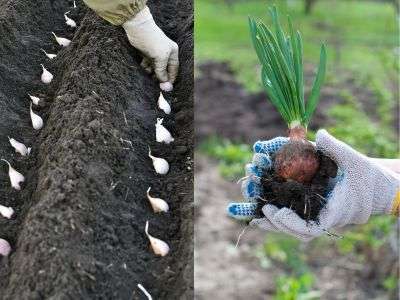
Garlic and Onions are essential kitchen staples that are perfect for November planting. They are biennials that require a cold period to form bulbs and are harvested in the following summer.
Average Maturity & Harvest Time:
- Garlic: 180-240 days (harvested next summer)
- Onions: 100-175 days, depending on the variety
Planting Tips and Information:
- Garlic: Plant individual cloves pointy end up.
- Onions: For overwintering, choose short-day or intermediate-day varieties.
Companion Planting Recommendations:
- Garlic: Pairs well with tomatoes and roses but avoid beans and peas.
- Onions: Complement carrots, beets, and tomatoes but avoid beans and peas.
Gardening Tools:
- Bulb planter for garlic cloves and onion sets.
- Mulch to protect from severe winter freezes.
For you garlic lovers, check out my in-depth guide to planting garlic in zone 7.
Brassicas:
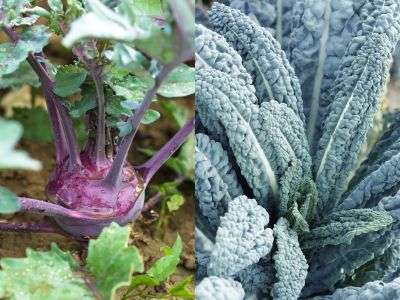
Kale and kohlrabi are great winter season vegetables to grow in zone 7. Kohlrabi is a unique brassica that forms a bulb above the ground. It’s crunchy and slightly sweet, making it a great addition to salads and stir-fries. Kale is also listed above in the leafy greens, but I’ll add the info here as well. More brassicas are below in the section for vegetables to transplant as well.
Average Maturity & Harvest Time:
- Kohlrabi: 50-60 days
- Kale: 30-40 days for baby leaves; 50-65 days for mature leaves
Planting Tips and Information:
- Kohlrabi: Prefers cool temperatures and can be grown in both spring and fall.
- Kale: Plant in full sun to light shade; prefers slightly acidic soil.
Companion Planting Recommendations:
- Kohlrabi: Pairs well with onions, beets, and cucumbers.
- Kale: Companions include beets, celery, cucumbers, dill, garlic, hyssop, lettuce, mint, onions, potatoes, rosemary, sage, and spinach.
Gardening Tools:
- Hand trowel for transplanting.
- Garden netting to protect against cabbage moths.
Legumes:

Peas are a cool-season crop that can be planted in both spring and fall. They are climbers, so providing them with support will help maximize yield.
Average Maturity & Harvest Time:
- Peas: 50-70 days, depending on the variety
Planting Tips and Information:
- Peas: Require trellising or some form of support.
Companion Planting Recommendations:
- Peas: Complement carrots, turnips, and radishes but avoid onions and garlic.
Gardening Tools:
- Trellis or pea netting for support.
- Pruners for harvesting.
Transplanting Established Plants in November
Brassicas:
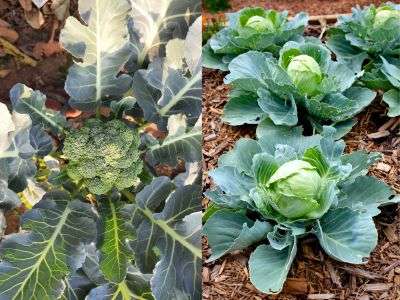
Broccoli, Cauliflower, Brussels Sprouts, and Cabbage are members of the Brassica family that are known for their cold-hardiness. Transplanting established plants in November ensures they have a strong root system to withstand winter’s chill.
Average Maturity & Harvest Time:
- Broccoli: 85-100 days
- Cauliflower: 75-85 days
- Brussels Sprouts: 90-100 days
- Cabbage: 80-180 days, depending on the variety
Planting Tips and Information:
- Broccoli: Prefers full sun and well-draining soil.
- Cauliflower: Requires consistent moisture for best head formation.
- Brussels Sprouts: Harvest from the bottom up as sprouts mature.
- Cabbage: Ensure good air circulation to prevent fungal diseases.
Companion Planting Recommendations:
- Broccoli: Pairs well with onions and potatoes but avoid strawberries.
- Cauliflower: Complements beans and peas but avoid tomatoes.
- Brussels Sprouts: Good with beets but avoid strawberries.
- Cabbage: Pairs well with beans and dill but avoid tomatoes and strawberries.
Gardening Tools:
- Garden fork for loosening soil around transplants.
- Mulch to protect the base of the plants.
Alliums:
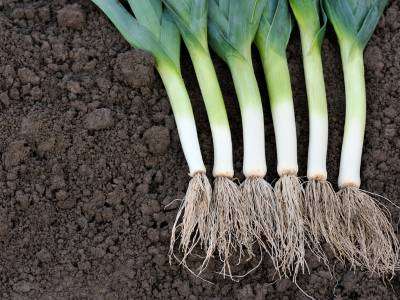
Leeks, when transplanted in November, can overwinter and provide an early spring harvest. Leeks are a mild-flavored member of the onion family. Transplanting established plants in November allows them to overwinter, leading to an early spring harvest.
Average Maturity & Harvest Time:
- Leeks: 120-150 days
Planting Tips and Information:
- Leeks: Hill soil around the stems to blanch and produce a longer white shaft.
Companion Planting Recommendations:
- Leeks: Complement carrots and celery but avoid beans and peas.
Gardening Tools:
- Garden spade for transplanting.
- Garden hoe for hilling soil.
Leafy Greens:
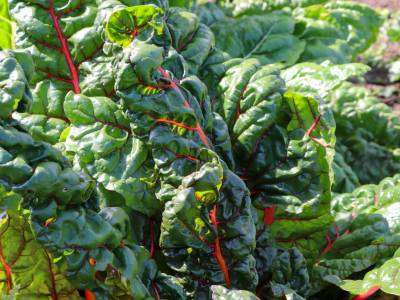
Swiss Chard transplants can continue to grow, even as temperatures drop. Swiss Chard is a colorful and nutritious leafy green. Transplanting established plants in November ensures continued growth, providing fresh greens throughout the colder months.
Average Maturity & Harvest Time:
- Swiss Chard: 50-60 days
Planting Tips and Information:
- Swiss Chard: Can tolerate partial shade and prefers consistent moisture.
Companion Planting Recommendations:
- Swiss Chard: Pairs well with beans and onions but avoid melons.
Gardening Tools:
- Hand trowel for transplanting.
- Drip irrigation or soaker hose for consistent watering.
Remember, while these are general guidelines based on typical Zone 7 conditions, always consider local microclimates, soil conditions, and other factors when making planting decisions.
Fruits to Plant in November (Zone 7)
Berries:

Blueberries, Raspberries, Strawberries, Blackberries, Currants, and Gooseberries are all berry varieties that can be planted in November. These fruits are typically transplanted from established plants or cuttings to ensure a successful growth cycle.
Average Maturity & Harvest Time:
- Blueberries: 2-3 years after planting. Harvest typically in late spring to early summer.
- Raspberries: 1-2 years after planting. Harvest in summer or fall, depending on the variety.
- Strawberries: 1 year after planting. Harvest in spring to early summer.
- Blackberries: 2 years after planting. Harvest in mid-summer.
- Currants: 2 years after planting. Harvest in summer.
- Gooseberries: 2-3 years after planting. Harvest in summer.
Companion Planting Recommendations:
- Blueberries: Rhododendrons and azaleas can help acidify the soil.
- Raspberries: Yarrow and tansy can help deter harmful insects.
- Strawberries: Borage and thyme can deter pests, while beans can fix nitrogen in the soil.
- Blackberries: Comfrey can help enrich the soil.
- Currants & Gooseberries: Planting with chives can help deter aphids.
Planting Tips and Information:
- Soil Requirements: Most berries prefer well-draining soil. Blueberries, in particular, thrive in acidic soil.
- Watering: Regular watering is crucial, especially during dry spells.
- Fertilization: A balanced fertilizer can be applied in early spring to promote growth.
- Bird Protection: Consider netting for your berry plants to protect the fruit from birds.
- Winter Care: Mulching around the base of the plants can provide protection during colder months.
Gardening Tools:
- Berry Picker: Helps in harvesting berries without damaging them.
- Pruning Shears: Essential for maintaining and pruning berry bushes.
- Soil pH Meter: Especially important for blueberries which require acidic soil.
- Trellis or Support Structures: Necessary for raspberries and blackberries.
- Mulch: Helps retain soil moisture and suppress weeds
Vines:

Grapes are a popular vine fruit that can be planted in November. They are best transplanted from established plants or cuttings.
Average Maturity & Harvest Time:
- Grapes: 3 years after planting. Harvest in late summer to early fall.
Companion Planting Recommendations:
- Grapes: Clover can help fix nitrogen in the soil, benefiting grapevines.
Gardening Tools:
- Pruning Shears: Essential for maintaining grapevines.
- Trellis or Support Structures: Necessary for supporting the growth of grapevines.
- Soil Tester: To ensure the soil has the right balance of nutrients for grape growth.
Planting Tips and Information:
- Pruning: Regular pruning is crucial for grape production.
- Pest Control: Keep an eye out for common pests like grapevine beetles.
- Disease Prevention: Ensure good air circulation to prevent fungal diseases.
- Watering: Grapes have deep roots, so I recommend deep watering rather than frequent shallow watering.
- Training: Train young grapevines to grow in the desired direction and shape.
Herbs to Plant in November (Zone 7)
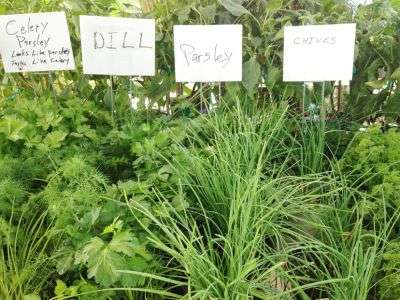
Herbs are something everyone should have in their garden. They are easy to grow, make great companion plants, and offer both culinary and medicinal benefits. Here are some herbs suitable for November planting in zone 7:
- Chives: These onion-like herbs prefer full sun and well-draining soil. Harvest by cutting the green tops. Chives are a versatile herb that can be used in a variety of dishes, including salads, soups, and sauces. They are also a good source of vitamins A and C.
- Cilantro: Prefers cooler temperatures and can bolt in heat, so November planting is great for this herb. Harvest leaves as needed. Cilantro is a popular herb in Mexican and Asian cuisine. It has a fresh, citrusy flavor that pairs well with a variety of foods.
- Dill: An annual herb that prefers full sun. Harvest leaves and seeds as they mature. Dill is a versatile herb that can be used in a variety of dishes, including pickles, soups, and sauces. It has a sweet, anise-like flavor.
- Garlic chives: Similar to chives but with a mild garlic flavor. Harvest the green tops. Garlic chives are a good source of vitamins A and C. They have a mild garlic flavor that pairs well with a variety of foods.
- Mint: A perennial that can be invasive. Plant in containers to control spread. Harvest leaves as needed. Mint is a versatile herb that can be used in a variety of dishes, including tea, salads, and desserts. It has a refreshing, minty flavor.
- Oregano: A perennial herb that prefers full sun. Harvest leaves before flowering for best flavor. Oregano is a popular herb in Italian cuisine.
- Parsley: Biennial herb that can overwinter. Harvest outer leaves as the plant grows. Parsley is a versatile herb that can be used in a variety of dishes, including salads, soups, and sauces. It is a good source of vitamins A and C.
- Rosemary: A woody perennial that prefers well-draining soil. Harvest sprigs as needed. Rosemary is a popular herb in Mediterranean cuisine. It has a strong, pine-like flavor.
- Sage: A perennial herb with aromatic leaves. Harvest leaves before the plant flowers. Sage is a popular herb in European cuisine. It has a strong, sage-like flavor.
- Thyme: A low-growing perennial. Harvest sprigs throughout the growing season. Thyme is a popular herb in European cuisine. It has a strong, thyme-like flavor.
When planting herbs in November, be sure to choose a location that receives full sun and has well-draining soil. Amend the soil with compost or manure before planting. Water the herbs regularly, especially during dry periods. Fertilize the herbs in the spring with a balanced fertilizer.
Some of these herbs, such as mint and rosemary, can be invasive, so it is best to plant them in containers or in a raised bed
Flowers and Ornamentals to Plant in November (Zone 7)
Bulbs for Spring Blooming:
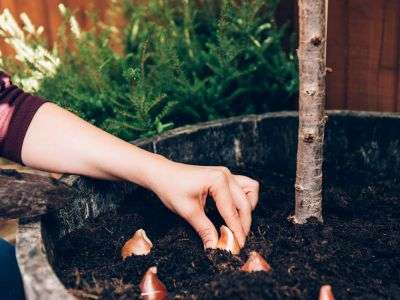
Planting bulbs in the fall ensures a burst of color come spring. Here are some popular choices:
- Tulips: Available in a variety of colors, they prefer well-draining soil and full sun.
- Daffodils: These cheerful yellow flowers are deer-resistant and prefer full sun.
- Crocuses: Early bloomers that come in purples, whites, and yellows.
- Hyacinths: Fragrant flowers that prefer full sun and well-draining soil.
- Alliums: Ornamental onions with spherical blooms. They prefer full sun.
Annuals and Perennials:

For color throughout the colder months and into spring:
- Pansies: These can bloom even in winter in Zone 7. They prefer cooler temperatures and well-draining soil.
- Snapdragons: Tall flowering plants that come in a variety of colors. They prefer full sun.
- Ornamental Cabbages and Kales: These add texture and color to the garden. They prefer cooler temperatures.
Remember to always consider local conditions, soil health, and microclimates when making planting decisions.
Cover Crops to Plant in November (Zone 7)

Cover crops are a great way to maintain soil health over the winter, preventing erosion, and putting nitrogen back into the soil. They also act as a natural mulch, suppressing weeds and improving the soil structure.
- Clover: This leguminous plant is excellent for fixing nitrogen, making the soil more fertile for the next planting season.
- Rye: A robust grass that prevents soil erosion and suppresses weeds. It also acts as a natural remedy against certain soil pathogens.
- Vetch: Another leguminous plant that’s great for nitrogen fixation and can also help improve soil texture.
Preparing Your Garden for Winter
Preparing your garden for winter is essential to ensure the survival of your plants and to set the stage for next year’s growth. Here are some tips to help you get started:
- Soil Testing and Amendments: Test your soil to determine its pH and nutrient levels. Amend accordingly with compost or other organic matter to enrich it.
- Mulching: Apply a thick layer of mulch to protect plant roots, conserve moisture, and regulate soil temperature.
- Frost Protection: Use frost blankets or row covers to shield sensitive plants from early frosts. For a more affordable option, check out my post on DIY garden cloches.
- Watering: Water deeply but less frequently. Keep the soil moist but not waterlogged.
- Pruning: Prune back perennials and remove any dead or diseased branches.
- Protecting Bulbs: If you have bulbs in your garden, protect them from the cold by covering them with mulch or straw.
- Cleaning Up: Remove any fallen leaves or debris from your garden. This will help to prevent the spread of pests and diseases.
- Storing Tools: Clean and store your gardening tools in a dry place. This will help to prevent them from rusting.
By following these tips, you can help to ensure that your garden will thrive even in the coldest of winters.
Harvesting and Storing Fall Crops
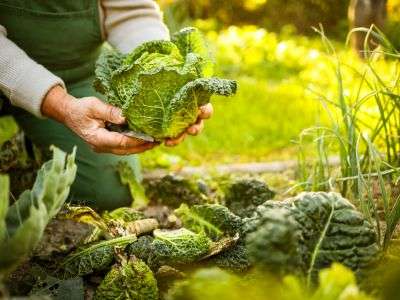
After months of nurturing your fall garden, it’s time to reap the rewards!
- Harvest in the cool of the morning to ensure maximum freshness. This is because the temperature is cooler in the morning, which helps to preserve the flavor and nutrients of the crops.
- Store in a cool, dark place. This will help to slow down the ripening process and keep the crops fresh for longer.
- Harvest crops regularly to encourage more production. This is because crops that are harvested regularly produce more fruit or vegetables than those that are not harvested regularly.
- Avoid storing fruits and vegetables together as some fruits emit ethylene gas which can hasten the ripening of vegetables. Ethylene gas is a natural gas that is produced by some fruits and vegetables. It can cause other fruits and vegetables to ripen faster and rot if you don’t eat it in time, so it is important to store them separately.
Here are some additional tips:
- Wash your hands before and after harvesting crops. This will help to prevent the spread of diseases. Also make sure to sanitize your cutting tools.
- Use sharp knives to harvest crops. This will help to prevent bruising the crops.
- Handle crops gently when harvesting them. This will help to prevent them from being damaged.
- Store crops in airtight containers or bags. This will help to keep them fresh for longer.
- Check your crops regularly for signs of spoilage. If you see any signs of spoilage, such as mold or discoloration, discard the crop immediately.
Planning for Next Year’s Garden

Even as this year’s gardening season winds down, it’s the perfect time to start planning for the next. Here are a few tips to help you get started:
- Crop rotation: Rotate crops to prevent soil-borne diseases and pests from becoming established. For example, if you grew tomatoes in one spot this year, plant something different in that spot next year.
- Visual planting calendar: Create a visual calendar to map out when each plant should be sown for an early spring start. This will help you stay on track and ensure that your plants have the best chance of success.
- Early start tips: Consider starting seeds indoors or investing in a greenhouse to extend your growing season. This will give your plants a head start and allow you to harvest earlier in the season.
Your November Garden
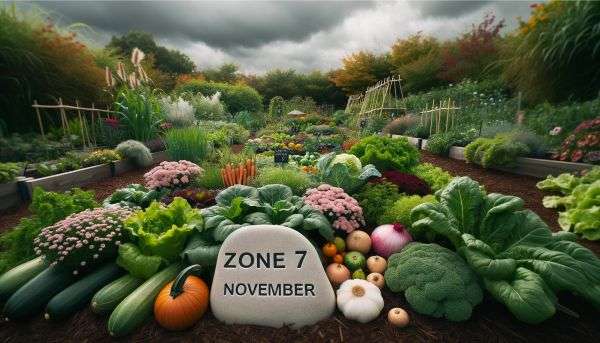
November in Zone 7 is not the end but a continuation of the gardening journey. With the right plants and preparation, gardeners can make the most of this month, ensuring a bountiful harvest and a healthy garden ready for the challenges and opportunities of the coming year.
I’d love to hear from you! Share your November planting experiences, successes, challenges, or any questions you might have in the comments below or any December vegetables you plan to plant next month. Let’s grow together!
November in Zone 7 is not the end of the gardening season, but rather a continuation of the gardening journey. With the right plants and preparation, you can make the most of this month.
I’d love to hear from you! Share your November planting experiences, successes, challenges, or any questions you might have in the comments below. Let’s grow together!
Here are some tips for sharing your November planting experiences:
- Share what you planted in November.
- Share your successes and challenges.
- Ask any questions you have about gardening in November.
- Be sure to include photos of your garden!
I look forward to hearing from you!


