

In Zone 7, December is generally a challenging time for planting due to the colder temperatures and shorter daylight hours. However, there are still a number of plants that can be sown or planted during this time, especially those that are frost-tolerant or suitable for overwintering.
In Zone 7, December presents a unique set of opportunities for gardeners. Whether you’re a seasoned green thumb or a budding gardener, there are plenty of ways to keep your garden lively and productive during this festive month. From hardy vegetables to resilient ornamentals, let’s explore how you can make the most of your garden as winter sets in.
Overview of Zone 7 Climate in December
Zone 7 is characterized by a temperate climate with four distinct seasons. December falls in the heart of winter in Zone 7, bringing with it cold temperatures, short days, and the potential for snow. While the exact timing and severity of winter weather can vary from year to year, gardeners in Zone 7 can expect average temperatures to range from the mid-20s to the mid-40s Fahrenheit (-4°C to 4°C). Snowfall is common and can vary significantly across different microclimates in zone 7.
Despite the cold temperatures and shorter days, there are still many plants that can be planted outdoors in Zone 7 in December. These plants are typically cold-hardy and can tolerate the harsh winter conditions.

Temperatures
Zone 7 is classified as a humid continental climate, with warm summers and cold winters. The average temperature in December is 32 degrees Fahrenheit. However, temperatures can vary widely, with highs in the 50s and lows in the teens.
Precipitation
December is typically a wet month in Zone 7, with an average of 4 inches of snow and 3 inches of rain. Snowfall is most common in the northern part of the zone, while rain is more common in the southern part.
Challenges of Planting in December
Planting in December in Zone 7 can be challenging due to the following reasons:
- The cold temperatures can damage or kill plants.
- The weather might make you think twice about going outside.
- The short days can limit the amount of sunlight that plants receive, which they need to grow.
- The ground may be frozen, making it difficult to plant seeds or transplants.
- If the ground is not frozen, it may be too wet, which can also make it difficult to plant seeds or transplants.
- There is a risk of frost, which can damage or kill plants.
- There is a risk of pests and diseases, which can also damage or kill plants.
If you decide to plant in December in Zone 7, it is important to take these challenges into account and take steps to mitigate them. For example, you can plant cold-tolerant plants, use row covers to protect plants from frost, and water plants regularly to prevent them from drying out.
Tips for Planting in December
Despite the challenges, there are a few things you can do to increase your chances of success of extending your gardening seasons when planting in December in Zone 7:
- Choose cold-hardy plants that are tolerant of low light conditions.
- Amend your soil with organic matter to improve drainage and fertility.
- Protect your plants from the cold by mulching around them.
- Water your plants regularly, especially if the ground is frozen.
Understanding and leveraging these weather patterns is key to a successful winter garden. Remember, gardening is all about adaptation and experimentation. What thrives in one part of Zone 7 might need a little extra care in another, so always consider your local microclimate.
Preparing Your Garden for December Planting
Before you start planting, preparing your garden for the cooler weather is crucial. Here are some steps to ensure your garden is ready for December planting:
- Soil Preparation: Check your soil’s condition. If it’s too compacted, loosen it gently to ensure proper drainage and aeration. Adding organic matter like compost can improve soil health, providing essential nutrients for your winter crops.
- Mulching: Applying a layer of mulch helps to regulate soil temperature and retain moisture. It also keeps the root systems of your plants insulated against sudden temperature drops.
- Protection Strategies: Have materials like row covers or cold frames ready. These can be crucial for protecting sensitive plants from frost on particularly cold nights.
- Tool Maintenance: Ensure your gardening tools are clean and in good condition. Sharp, well-maintained tools make winter gardening much more efficient.
- Watering Schedule: Adjust your watering routine. Plants generally require less water in the cooler months, but keep an eye on the soil moisture levels, especially on sunny days.
With your garden prepped and ready, you can confidently embark on your December gardening journey in Zone 7. Whether you’re planting hardy greens or preparing the soil for spring, there’s plenty to do in the winter garden.
What to Plant in December in Zone 7
December is a great time to garden in Zone 7. You can plant hardy vegetables, fragrant herbs, colorful ornamentals, and cover crops. This section provides specific recommendations and tips for each category. Let’s explore these winter gardening gems!
Vegetables to Plant in December
December in Zone 7 is not just a time for festive decorations and holiday preparations, but also an opportunity to plant a variety of cold-hardy vegetables. Here are some excellent choices to consider:
Arugula
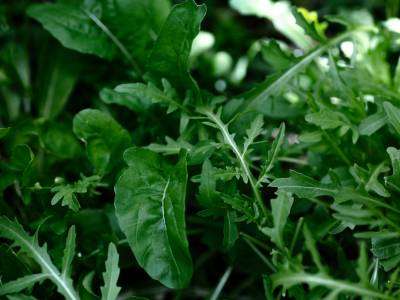
A peppery green that thrives in cooler weather, with enhanced flavor post-frost. Arugula is frost-tolerant and can be planted for a late winter harvest.
Cold Hardy Varieties: ‘Rocket’, ‘Astro’, ‘Winter’.
Quick Tips:
- Sunlight: Full sun to partial shade.
- Soil: Well-drained.
- Planting: Sow directly in the soil.
- Maturity: 4-6 weeks. Harvest in late winter/early spring.
- Companion Plants: Pairs well with bush beans, beets, carrots, cucumbers, and onions.
Zone 7 Specific Advice: In Zone 7, arugula can often survive winter outdoors, especially with some mulching for extra protection.
Beets
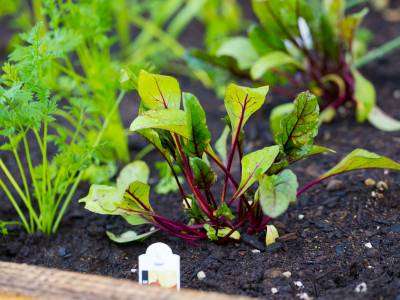
Beets are suitable for late planting and can be harvested in late winter/early spring. They are nutritious and their roots and greens are both edible.
Cold Hardy Varieties: ‘Bull’s Blood’, ‘Detroit Dark Red’.
Quick Tips:
- Sunlight: Full sun.
- Soil: Well-drained, rich in organic matter.
- Planting: Direct sow seeds in the soil.
- Maturity: 50-70 days.
- Companion Plants: Good with bush beans and onions. Avoid pole beans.
Zone 7 Specific Advice: Mulch well to protect your beets from the occasional deep freezes in Zone 7.
Cabbage

Overwintering cabbage varieties are well-suited to handle Zone 7’s cold winters.
Cold Hardy Varieties: ‘Winter King’, ‘January King’.
Quick Tips:
- Sunlight: Full sun.
- Soil: Fertile, well-drained.
- Planting: Plant seedlings or transplants.
- Maturity: Harvest in early spring.
- Companion Plants: Grows well with celery and onions.
Zone 7 Specific Advice: Provide some protection like a cold frame or row cover during extreme cold snaps.
Carrots and Parsnips
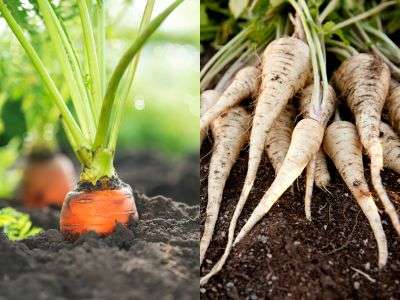
Both carrots and parsnips can be sweeter post-frost; plant now for a late winter/early spring harvest.
Cold Hardy Varieties: Carrots: ‘Nantes’, ‘Danvers’; Parsnips: ‘Harris Model’, ‘Andover’.
Quick Tips:
- Sunlight: Full sun.
- Soil: Loose, well-drained.
- Planting: Direct sow in the soil.
- Maturity: Carrots: 50-80 days; Parsnips: 100-120 days.
- Companion Plants: Pairs well with peas and lettuce.
Zone 7 Specific Advice: Consider using row covers for extra protection against deep freezes.
Collard Greens, Kale, Spinach
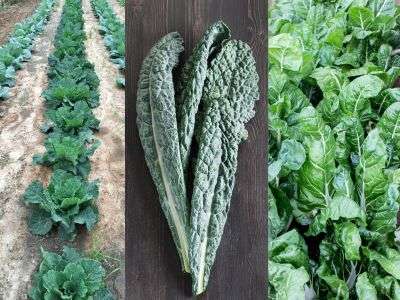
These leafy greens are very cold-hardy and ideal for winter gardening in Zone 7.
Cold Hardy Varieties: Collard Greens: ‘Georgia Southern’, ‘Vates’; Kale: ‘Winterbor’, ‘Red Russian’; Spinach: ‘Giant Winter’, ‘Bloomsdale Long Standing’.
Quick Tips:
- Sunlight: Full sun can tolerate partial shade.
- Soil: Fertile, well-drained.
- Planting: Direct sow seeds or plant transplants.
- Maturity: Harvest leaves as they mature.
- Companion Plants: Grows well with herbs and celery.
Zone 7 Specific Advice: These greens often taste better after a frost and can survive with minimal protection.
Garlic
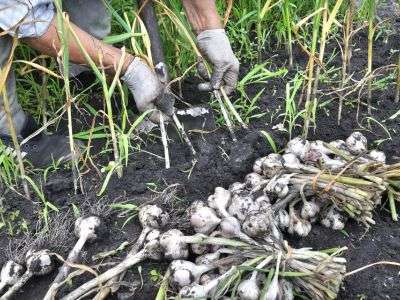
Garlic is hardy and ideal for fall planting, with a harvest in the following summer. The best time to plant garlic in zone 7 is mid-October through November, but you still have a chance to grow a harvestable crop if you plant it in early December.
Cold Hardy Varieties: ‘Music’, ‘Russian Red’, ‘Italian Purple’.
Quick Tips:
- Sunlight: Full sun.
- Soil: Well-drained, fertile.
- Planting: Plant cloves pointy end up, about 2 inches deep.
- Maturity: Harvest in mid to late summer.
- Companion Plants: Plant with most vegetables except beans and peas.
Zone 7 Specific Advice: Garlic thrives in Zone 7’s winter; mulching can help protect it during colder periods.
Onions
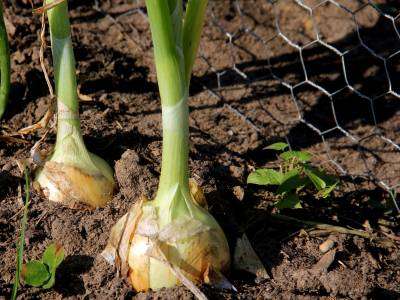
Overwintering varieties of onions can be planted now for a spring/summer harvest.
Cold Hardy Varieties: ‘Walla Walla’, ‘Yellow Sweet Spanish’.
Quick Tips:
- Sunlight: Full sun.
- Soil: Well-drained, rich in organic matter.
- Planting: Plant sets or seedlings.
- Maturity: Harvest in late spring to early summer.
- Companion Plants: Pairs well with carrots and beets.
Zone 7 Specific Advice: Onions can benefit from a light mulch to protect them during the coldest months.
Leeks
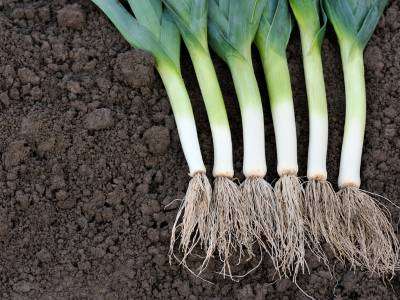
Leeks are hardy and can be overwintered for a spring harvest.
Cold Hardy Varieties: ‘American Flag’, ‘Giant Musselburgh’.
Quick Tips:
- Sunlight: Full sun.
- Soil: Well-drained, fertile.
- Planting: Plant seedlings.
- Maturity: Harvest in early spring.
- Companion Plants: Good with celery and onions.
Zone 7 Specific Advice: Leeks can tolerate cold but may benefit from straw mulching for extra insulation.
Peas

Some hardy varieties of peas are suitable for planting in December for an early spring harvest.
Cold Hardy Varieties: ‘Alaska’, ‘Avalanche’.
Quick Tips:
- Sunlight: Full sun to partial shade.
- Soil: Well-drained, moist.
- Planting: Direct sow in the soil.
- Maturity: 60-70 days.
- Companion Plants: Pairs well with carrots and radishes.
Zone 7 Specific Advice: Provide some protection, like a cold frame, during extremely cold spells.
Radishes, Turnips

Winter varieties of radishes and turnips can be planted; frost can enhance their flavor.
Cold Hardy Varieties: Radishes: ‘Black Spanish’, ‘Watermelon’; Turnips: ‘Purple Top’, ‘Golden Globe’.
Quick Tips:
- Sunlight: Full sun.
- Soil: Well-drained, fertile.
- Planting: Direct sow in the soil.
- Maturity: Radishes: 25-30 days; Turnips: 45-60 days.
- Companion Plants: Grows well with peas and lettuce.
Zone 7 Specific Advice: These root vegetables can withstand light frosts but may need some protection during severe cold.
Rutabaga
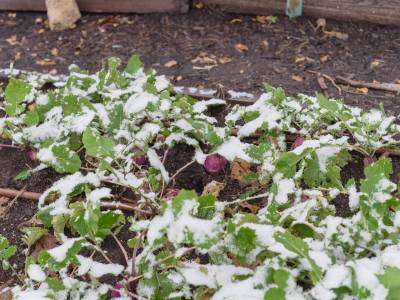
Rutabaga tolerates cold and can be planted in December but may need protection.
Cold Hardy Varieties: ‘Laurentian’, ‘American Purple Top’.
Quick Tips:
- Sunlight: Full sun.
- Soil: Well-drained, fertile.
- Planting: Direct sow seeds in the soil.
- Maturity: 90-100 days.
- Companion Plants: Grows well with peas and nasturtiums.
Zone 7 Specific Advice: Consider using a row cover to protect rutabagas during deep freezes.
Swiss Chard
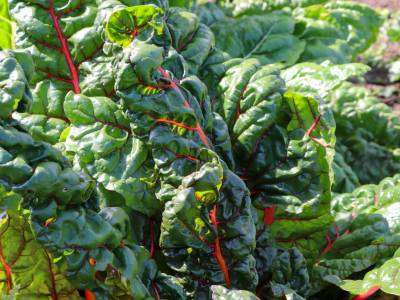
Swiss Chard can tolerate light frosts but may need protection in colder Zone 7 areas.
Cold Hardy Varieties: ‘Bright Lights’, ‘Fordhook Giant’.
Quick Tips:
- Sunlight: Full sun to partial shade.
- Soil: Well-drained, rich in organic matter.
- Planting: Direct sow or plant seedlings.
- Maturity: 50-60 days.
- Companion Plants: Pairs well with beans and onions.
Zone 7 Specific Advice: Use mulch to insulate the soil and consider row covers for extra frost protection.
Fruits to Plant in December
Even though the winter landscape may appear to be dormant, it is a hidden period of growth for some fruit plants in Zone 7. This December, consider planting these fruit varieties that are well-suited to the cooler temperatures and promise a bountiful harvest in the future.
Strawberries
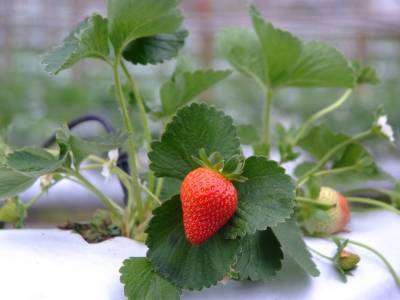
Typically planted in late winter to early spring, dormant strawberry plants can be successfully planted in December in Zone 7.
Cold Hardy Varieties: ‘Honeoye’, ‘Chandler’, ‘Sequoia, ‘Ozark Beauty”.
Quick Tips:
- Sunlight: Full sun.
- Soil: Well-drained, rich in organic matter.
- Planting: Plant dormant crowns at soil level.
- Maturity: Harvest in late spring to early summer.
- Companion Plants: Grows well with bush beans, lettuce, and spinach.
Zone 7 Specific Advice: Choose varieties known for cold hardiness and mulch well to protect plants through the winter.
Raspberries

Raspberries, hardy and productive, can be planted in December, though they typically fruit in the second year, so you’ll need to be patient.
Cold Hardy Varieties: ‘Heritage’, ‘Autumn Bliss’, ‘Boyne’.
Quick Tips:
- Sunlight: Full sun.
- Soil: Well-drained, rich in organic matter.
- Planting: Plant dormant canes; allow for proper spacing.
- Maturity: Harvest in summer, typically 1-2 years after planting.
- Companion Plants: Grows well with garlic, onions, and marigolds.
Zone 7 Specific Advice: Protect roots from freezing temperatures with mulch and ensure adequate winter watering. Also choose a spot that offers protection from strong winds.
Blueberries

Blueberries are known for their delicious flavor and health benefits, suitable for planting in December. Like raspberries, you might have to wait a year or two before your first harvest.
Cold Hardy Varieties: ‘Patriot’, ‘Bluecrop’, ‘Jersey’.
Quick Tips:
- Sunlight: Full sun.
- Soil: Acidic, well-drained soil.
- Planting: Plant dormant bushes; mulch well.
- Maturity: Harvest in late spring to early summer, 1-2 years after planting.
- Companion Plants: Rhododendrons, azaleas, pine trees.
Zone 7 Specific Advice: Provide protection from late spring frosts; choose a sunny location with shelter from cold winds.
Grapes

Grapes can be a rewarding addition to your garden, with their vigorous vines and abundant fruit. Though, you’ll to be even more patient with this fruit than with the berries above.
Cold Hardy Varieties: ‘Concord’, ‘Niagara’, ‘Catawba’.
Quick Tips:
- Sunlight: Full sun.
- Soil: Well-drained, deep, and fertile.
- Planting: Plant dormant vines; provide support structures.
- Maturity: Harvest in late summer to early fall, typically 2-3 years after planting.
- Companion Plants: Roses can help indicate early signs of fungal issues.
Zone 7 Specific Advice: Plant in a location that protects vines from late spring frosts and where the plant will receive adequate sun exposure.
Herbs to Plant in December
The chilly weather in December doesn’t mean you have to say goodbye to fresh herbs. In Zone 7, a number of herbs can withstand the winter cold, providing fresh flavors right from your garden. Here are some hardy herbs to plant this month:
Chives
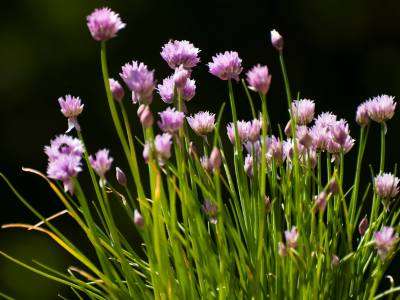
A hardy herb that can survive cold temperatures and regrow in spring.
Quick Tips:
- Sunlight: Full sun to partial shade.
- Soil: Well-drained, rich in organic matter.
- Planting: Sow seeds or plant divisions.
- Maturity: Harvest as needed once they reach 6 inches tall.
- Companion Plants: Tomatoes, carrots, apple trees.
Zone 7 Specific Advice: Provide some mulch for added winter protection.
Parsley, Rosemary, Sage, Thyme
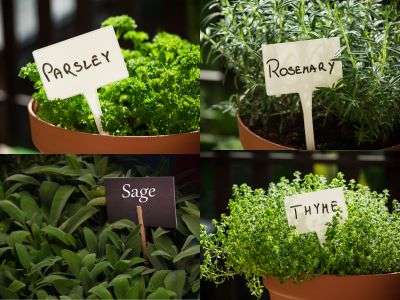
These herbs are cold-tolerant and can survive the winter, though new plantings are generally more successful in early spring.
Quick Tips for Parsley:
- Sunlight: Full sun to partial shade.
- Soil: Rich, moist soil.
Quick Tips for Rosemary, Sage, Thyme:
- Sunlight: Full sun.
- Soil: Well-drained, not overly rich.
Zone 7 Specific Advice: Consider planting in containers for added frost protection and ease of movement. Rosemary and sage are not as cold hardy as the other herbs listed and may not survive in Zone 7 winters without some protection.
Mint

A hardy herb that can tolerate cold temperatures. Mint can be invasive in some areas, and is best grown in containers to prevent it from taking over.
Quick Tips:
- Sunlight: Full sun to partial shade.
- Soil: Prefers moist, well-drained soil.
- Planting: Can be invasive; consider container planting.
- Maturity: Harvest as needed.
Zone 7 Specific Advice: Mint can overwinter outdoors in Zone 7, but mulching is recommended for root protection.
Oregano
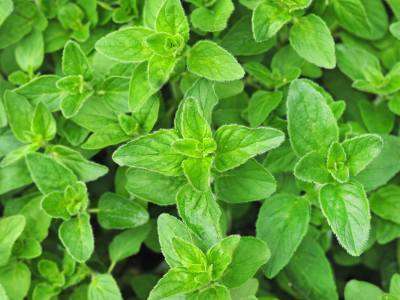
Tolerates cold weather well, making it suitable for winter gardening in Zone 7.
Quick Tips:
- Sunlight: Full sun.
- Soil: Well-drained, moderately fertile.
- Planting: Sow seeds or plant cuttings.
- Maturity: Harvest as the plant grows.
Zone 7 Specific Advice: Oregano can be perennial in Zone 7; trim back older stems in the spring to encourage new growth.
Flowers and Ornamentals for December
This December, you can brighten up your Zone 7 garden with flowers and ornamentals that thrive in the winter. These plants will either withstand the cold temperatures and provide your yard with some color during the winter, or they can be planted to give you an early spring bloom once the weather warms up.
Pansies, Primroses, Violets

Known for their cold tolerance, these flowers are excellent for adding winter color to your garden.
Quick Tips:
- Sunlight: Full sun to partial shade.
- Soil: Rich, well-drained soil.
- Planting: Plant from seedlings or small plants.
Zone 7 Specific Advice: Deadhead spent flowers to encourage new blooms throughout the winter.
Holly, Mahonia, Winterberry
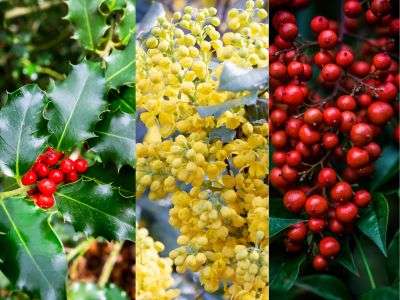
These shrubs are well-suited to winter conditions in Zone 7 and can be planted in December.
Quick Tips for Holly:
- Sunlight: Full sun to partial shade.
- Soil: Well-drained, slightly acidic.
Quick Tips for Mahonia, Winterberry:
- Sunlight: Full sun to partial shade.
- Soil: Moist, well-drained, acidic soil.
Zone 7 Specific Advice: Plant in a protected area to shield from cold winds for best berry production. You’ll want the berries for the aesthetic, but please don’t eat them. They are not edible.
Snowdrops, Winter Aconite, Crocus, Daffodils, Tulips
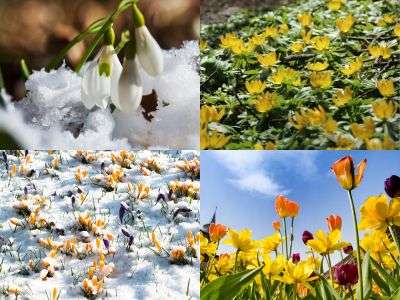
These bulbs can be planted in late fall or early winter for early spring blooms when the weather begins to warm up.
Quick Tips:
- Sunlight: Full sun to partial shade.
- Soil: Well-drained.
- Planting: Plant bulbs at the recommended depth.
Zone 7 Specific Advice: Plant in a location that provides protection from the harshest winter conditions.
Cover Crops for Soil Health
December is an ideal month to think about the health of your garden soil. Planting cover crops now can enrich the soil and prepare it for the upcoming growing seasons. Here are some excellent choices for Zone 7 cover crops
Cover Crops for Zone 7 Gardens: Winter Rye, Austrian Winter Peas, Barley, Oats, Hairy Vetch, Crimson Clover, Winter Wheat, Field Peas
Quick Tips:
- Sunlight: Full sun.
- Soil: Varies by crop; generally adaptable.
- Planting: Sow seeds directly into the garden.
Zone 7 Specific Advice: These crops can be tilled under in early spring before planting your main crops, adding valuable organic matter and nutrients to the soil.
- Winter Rye: erosion control, improves soil structure and organic matter, suppresses weeds
- Austrian Winter Peas: fixes nitrogen levels, improves soil fertility and structure, provides ground cover to protect against erosion
- Barley: Improves soil tilth and health, weed suppression, can serve as a forage crop
- Oats: Adds organic matter to the soil, erosion control, weed suppression
- Hairy Vetch: Excellent nitrogen fixer, improves soil structure, provides biomass for composting
- Crimson Clover: Fixes nitrogen in the soil, improves soil fertility and structure, attracts beneficial insects
- Winter Wheat: soil erosion control, adds organic matter, suppresses weeds
- Field Peas: Fixes nitrogen, improves soil fertility, provides ground cover to protect against erosion
Indoor Gardening Options
While your outdoor garden endures the cold, December is an ideal time for you to focus on indoor gardening. Here are some ideas to keep your green thumb active.
Herbs
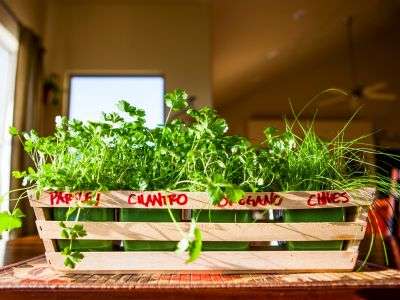
Many herbs, like basil, chives, and mint, can be grown fairly easily on a sunny windowsill, providing fresh flavors all winter long.
Quick Tips:
- Sunlight: Bright, indirect light.
- Soil: Use high-quality potting mix.
- Planting: Grow from small plants or seedlings.
- Maturity: Harvest leaves as needed for cooking.
- Zone 7 Specific Advice: Ensure your indoor herbs are protected from cold drafts and have enough humidity.
One of the easiest ways to grow herbs indoors, even if you don’t have a sunny windowsill, is to use a hydroponic indoor garden like the AeroGarden.


Houseplants
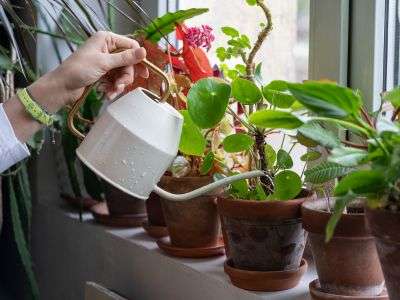
Cultivating houseplants like snake plants, peace lilies, and pothos can purify your indoor air and add a nice touch of green to your home.
Quick Tips:
- Sunlight: Varies by plant; most prefer bright, indirect light.
- Soil: Potting mix suited to each specific plant type.
- Planting: Start with potted plants; follow specific care instructions for each type.
- Zone 7 Specific Advice: Be mindful of indoor heating sources which can dry out the air, affecting some houseplants.
Here are some of the benefits of growing houseplants in your home:
- They can boost your mood and reduce stress. Studies have shown that spending time around plants can help to improve your mood, reduce stress, and increase productivity. (source)
- They can help to improve your sleep. Some plants, such as snake plants, release oxygen at night, which can help you to sleep better. (source)
- They can add beauty and interest to your home. Houseplants can add a touch of color and life to your home.
- They can help to improve air quality. Plants absorb carbon dioxide and release oxygen, which can help to improve the air quality in your home. They can also remove various harmful pollutants, including benzene, formaldehyde, trichloroethylene, and ammonia, from indoor air. (source)
- They can help to improve your concentration. Studies have shown that spending time around plants can help to improve focus and concentration. (source)
- They can help to increase your creativity. Studies have shown that spending time around plants can help to boost creativity and imagination. (source)
In addition to these benefits, houseplants can also be a great way to learn about nature and the environment. They can also be a fun and rewarding hobby.
Planning for the Upcoming Spring

As you nurture your winter garden, it’s also the perfect time to start planning for the spring.
- Order Seeds: Begin browsing seed catalogs or websites. Think about the varieties you want to grow next season.
- Garden Layout: Sketch out your garden layout for the spring, considering crop rotation and companion planting.
- Tool Maintenance: Repair or replace any gardening tools in preparation for the busy spring season.
- Zone 7 Specific Advice: Take note of the plants that have thrived during the winter and consider incorporating more of these hardy varieties into your spring garden.
Your December Garden

Gardening in December in Zone 7 offers a unique blend of challenges and rewards. It’s a time for protecting and preparing, but also for planting and planning. By choosing the right plants and providing them with the care they need, you can enjoy a vibrant and productive garden even in the midst of winter. Remember, every month is a gardening month, and December is no exception. Embrace the cooler weather and enjoy the slower pace of gardening during this season.
I’d love to hear from you! Share your December gardening experiences in the comments below, and let me know if you have any tips or questions. Don’t forget to share this post with fellow garden enthusiasts and subscribe for more gardening tips and insights.


